As an Amazon Associate, we earn from qualifying purchases. Some links on this site are affiliate links at no extra cost to you. Our recommendations are based on thorough research and editorial judgment.


Warm-Up and Cool-Down Protocols That Reduce Risk

Warm-up and cool-down protocols are essential for reducing the risk of sports injuries. Effective warm-ups elevate muscle temperature, enhance flexibility, and boost neuromuscular function through dynamic stretching and sport-specific drills. Compliance with these protocols is crucial, as adherence considerably lowers the risk of injuries. Cool-downs aid in recovery by clearing metabolic waste and stabilizing heart rate. Together, these practices enhance performance and promote overall well-being. Exploring tailored programs can reveal even more benefits for athletes.
Key Takeaways
- Implement dynamic stretching within warm-up routines to enhance muscle coordination and joint stability, reducing injury risk during physical activity.
- Tailor warm-ups to include sport-specific drills, ensuring athletes are prepared for unique demands and enhancing their readiness and muscle activation.
- Begin warm-ups with 5-10 minutes of low-intensity aerobic activity to elevate muscle temperature and improve blood flow for optimal performance.
- Incorporate active cool-downs post-activity to promote blood circulation, clear metabolic waste, and aid in reducing muscle soreness and stiffness.
- Foster a cohesive approach between warm-up and cool-down phases to enhance overall performance and recovery, optimizing both physical and mental readiness.
Benefits of Warm-Ups for Injury Prevention
Warm-ups serve as the first line of defense against sports injuries. They elevate body temperature, which boosts muscle elasticity and reduces the risk of strains and sprains. Improved blood flow during warm-ups delivers oxygen and nutrients to muscles, enhancing overall performance and minimizing injury risk. Additionally, warm-ups enhance neuromuscular function, increasing muscle power and reactivity. This boost in neuromuscular responses helps athletes perform at their best while protecting against injuries. Specific warm-up exercises can also relieve existing muscle discomfort, though caution is essential to avoid overexertion. By increasing muscle flexibility and range of motion, warm-ups prepare athletes for the physical demands of their sport, creating a solid foundation for both training and competition. For combat sports like kickboxing and Muay Thai, proper warm-ups combined with adequate protective gear help practitioners maintain mobility and prevent injuries during intense training sessions.
The Role of Dynamic Stretching in Warm-Ups

Dynamic stretching plays an essential role in preparing athletes for physical activity. This technique consists of controlled movements that take joints and muscles through their full range of motion. Unlike static stretching, dynamic stretching simulates sport-specific actions, enhancing muscle coordination and efficiency. The dynamic benefits include increased muscle temperature and improved blood flow, which decrease stiffness and promote flexibility. By engaging muscles in patterns similar to those required in exercise, these stretching techniques not only enhance performance but also reduce injury risks. Athletes find that incorporating dynamic stretching into their warm-up routine improves joint stability and readiness, enabling them to perform at their best. Pairing dynamic stretches with breathable, lightweight materials in athletic wear can further enhance comfort and range of motion during warm-up routines. Consequently, dynamic stretching becomes a valuable component of effective warm-up protocols for any active individual.
Recommended Products

TWISTRUSS technology

Large & Professional to Level Up Your Home Gym: 6 sizes for choice to meet your fitness needs of solo workouts, couple use, or family exercise; you can also combine exercise mats for home workout with a spacious area; your ideal workout mats for home gym for all intensities of exercise like Cardio, dance, Zumba, T25, weightlifting, yoga, stretching, dumbbell; use with or without shoes
![Tecnifibre X-one Biphase 16g Tennis String Natural - Reel [Misc.]](https://m.media-amazon.com/images/I/410snX7cVML._SL500_.jpg)
Composition: composite microfilament biphase process and polyurethane
Importance of Compliance With Warm-Up Programs

Consistency in following warm-up programs is crucial for maximizing their effectiveness and preventing injuries. High compliance rates with neuromuscular training programs greatly reduce the risk of anterior cruciate ligament (ACL) injuries. For instance, a 92% reduction occurs with high adherence, while even moderate compliance still offers a 46% reduction. However, many face compliance challenges, such as program complexity and time constraints. Programs that are shorter and easier to implement enjoy better adherence rates. Ultimately, high program adherence guarantees teams experience fewer injuries compared to those with less commitment. Hence, fostering a supportive environment where athletes and coaches prioritize these warm-up protocols can enhance both participation and safety, promoting a culture of well-being within sports teams. Just as boxers should prioritize warm-up and cool-down routines to lower injury risk during workouts, athletes across all sports benefit from consistent adherence to these protective protocols.
Tailoring Warm-Ups to Specific Activities

Tailoring warm-up routines to specific activities is essential for maximizing athletic performance and minimizing injury risk. Incorporating sport-specific drills, such as soccer dribbling or basketball 1 vs 1 engagements, helps athletes prepare for their unique demands. These individualized tweaks enhance neural readiness and muscle activation while promoting skill execution. Dynamic movements, like high knees or butt kicks, improve range of motion without adding fatigue. A well-structured warm-up should progress through raising body temperature, mobilizing joints, and preparing for activity. Additionally, varying warm-up tasks keeps athletes engaged and committed. By focusing on targeted movements over a 10 to 30-minute span, athletes can effectively utilize their warm-up time, aligning physical readiness with their sport’s objectives. For boxers specifically, neglecting proper warm-ups is among the common mistakes that can compromise training effectiveness and increase injury risk during core workouts.
Recommended Products

Multifunctional Smart Home Gym System: Speediance revolutionizes your workout by bringing the gym directly to your home. Our all-in-one home gym system seamlessly integrates cardio and strength training into your living room for a full-body workout

【Massage Chair Full Body】Massage Chair with advanced massage rollers mimicking 𝟗𝟓% of a real human massage, this chair delivers professional-level relief, melting away stress and tension. Whether you crave gentle relaxation or a deep-tissue treatment, it adapts with 𝟏𝟓 𝐚𝐮𝐭𝐨 𝐦𝐨𝐝𝐞𝐬, 𝟓 𝐦𝐚𝐧𝐮𝐚𝐥 𝐦𝐨𝐝𝐞𝐬, and 𝟑𝟐 𝐚𝐢𝐫𝐛𝐚𝐠 massage points offering 𝟓 𝐩𝐫𝐞𝐬𝐬𝐮𝐫𝐞 𝐥𝐞𝐯𝐞𝐥𝐬. Enjoy a fully customized, rejuvenating experience—all at your command

【Massage Chair Full Body】Experience deep relaxation with a full-body airbag massage at 𝟓 𝐢𝐧𝐭𝐞𝐧𝐬𝐢𝐭𝐲 𝐥𝐞𝐯𝐞𝐥𝐬. 𝐂𝐮𝐬𝐭𝐨𝐦𝐢𝐳𝐞 your massage by adjusting speed, width, and height while enjoying airbag compression, shiatsu, tapping, and kneading. The 𝐒𝐋-𝐓𝐫𝐚𝐜𝐤 𝐝𝐞𝐬𝐢𝐠𝐧 ensures comprehensive relief from hips to neck. Perfect for unwinding after work, relieving muscle tension post-workout, or indulging in a spa-like experience at home
Psychological Factors Affecting Warm-Up Effectiveness

Effective warm-up routines do more than prepare the body; they also enhance the mind’s readiness for physical activity. Mental readiness is essential, as it reduces pre-exercise stress and shifts focus from daily distractions to a workout mindset. Engaging in brief mental warm-ups can boost motivation and emotional arousal, energizing individuals to perform. These routines can disrupt negative feelings like sleepiness, increasing engagement. Furthermore, familiar warm-up actions develop psychological control, minimizing performance anxiety in competitive settings. By fostering competence and self-efficacy, warm-ups not only support physical readiness but enhance emotional resilience. In this way, they create an environment where individuals feel empowered and ready to tackle their fitness challenges with confidence and enthusiasm. Activities like shadow boxing with resistance bands can integrate both mental focus and physical preparation, helping athletes develop the concentration needed while simultaneously warming up muscle groups for more intense training ahead.
Advantages of Cool-Downs for Recovery
Although many individuals focus primarily on warm-ups, implementing effective cool-downs is equally important for recovery. Cool-downs play a vital role in muscle recovery by reducing soreness and stiffness. They promote blood circulation, aiding in the clearance of metabolic waste, such as lactic acid. This helps minimize post-exercise discomfort and enhances overall flexibility.
Additionally, a gradual return to rest stabilizes heart rate and blood pressure, preventing sudden stress on the cardiovascular and respiratory systems. Active cool-downs facilitate faster recovery, reducing risks of injury by allowing muscles and joints to relax safely. For those who value performance, effective cool-downs can foster mental recovery, enhancing next-day readiness for further physical activities. Incorporating resistance band exercises during cool-downs can further promote flexibility and help target specific muscle groups for optimal recovery. In this way, cool-downs contribute to a holistic recovery experience.
Techniques for Effective Cool-Downs
Implementing well-structured cool-down techniques is essential for anyone engaging in physical activity. Incorporating active recovery through 5–15 minutes of low- to moderate-intensity aerobic movements like walking or light cycling helps gradually lower heart rate and aids in muscle recovery. This method not only flushes out metabolic by-products but also enhances blood circulation. To complement this, performing static stretches on warm muscles promotes flexibility enhancement and reduces post-exercise muscle soreness for up to 72 hours. Additionally, cooling techniques such as cold water immersion can alleviate heat stress, making recovery more effective. Together, these strategies create a thorough approach that encourages a smoother shift from intense exertion to relaxation, fostering both physical and mental well-being. After cooling down, ensure your athletic footwear is properly dried using convection heating technology to prevent moisture buildup and maintain hygiene between workouts.
Recommended Products

HEATED OTTOMAN DISGUISE — VIBRATION PLATE FOR HOME USE: The RelaxaVibe is a 4D vibration plate hidden inside a premium upholstered ottoman; press the built-in heat button to enjoy warmth on tired muscles while seated, then remove the cover to reveal a full-body vibration machine

RED LIGHT THERAPY WITH RED LEDS: Curalight Joint comes equipped with 660nm and 850nm LEDs for pain relief. LED light shines into your skin and helps soothes pains, sores, and aches by increasing blood flow.
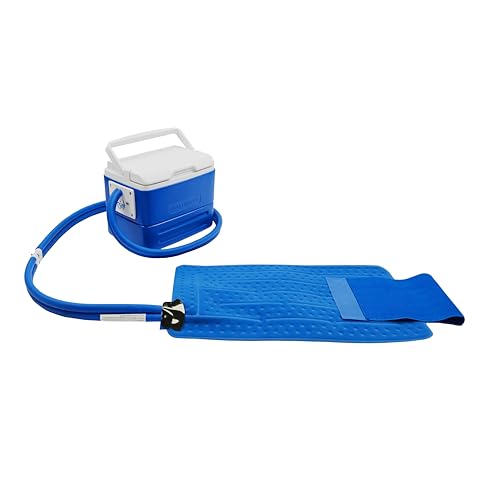
ADJUSTABLE ON/OFF CYCLES Our system integrates an inline timer control for handheld convenience, enabling you to set custom on and off cycles and adjust cold therapy flow to four different levels. This patent-pending feature ensures a personalized and safe cryotherapy session according to medical advice, making it perfect for post-surgery recovery and chronic pain management.
Performance Enhancement Through Proper Warm-Ups
A well-structured warm-up can greatly enhance athletic performance. By elevating muscle temperature, warm-ups improve enzymatic efficiency and muscle elasticity, which boosts power output. Increased muscle activation means athletes can achieve faster and more efficient contractions during their activities. Enhanced blood flow leads to better oxygen delivery and waste removal, sustaining high performance levels. Additionally, psychological readiness is improved, helping to diminish anxiety and sharpen focus. Specific warm-up techniques, such as dynamic exercises, tend to maximize these benefits. For example, post-activation potentiation effects can increase muscle force and power for several minutes after warming up. Incorporating dynamic stretches like arm circles, torso twists, and leg swings promotes blood flow and elevates heart rate to prepare the body for intense training. Emphasizing proper warm-up strategies, athletes can feel more prepared and connected to their performance goals while reducing the risk of fatigue.
Recommended Products
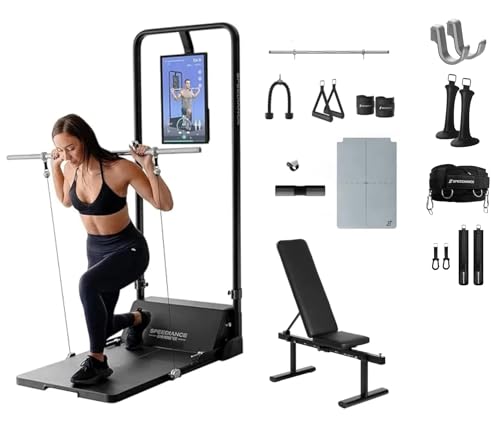
Including: Speediance Gym Monster, Works Plus & Adjustable Barbell Hooks & Skiing Handles 2 & Weight Lifting Belt & Extender Belt Attachment Bundle

🏃【Race the World's Top Marathons at Home】Train like a pro with the UREVO CyberMega Treadmill's Marathon-Specific Training Mode, which replicates the exact route of the Boston Marathon. Whether you're prepping for your first marathon or optimizing your performance, this treadmill lets you experience real-time pace alerts, rankings, and a 12% Auto Incline for realistic hill simulations. The 12.4 MPH top speed ensures that you can build endurance and speed for any race.

Warm-up and recover like never before. The Normatec 3 uses dynamic air compression to create a restorative massage that helps you feel refreshed faster.Normatec Legs are available only available in Standard on Amazon. Standard size: 31" - 35" inseam. Maximum thigh circumference is 30".
Research Evidence on Injury Risk Reduction
While many athletes swear by their warm-up routines, research on their effectiveness in injury risk reduction presents a more nuanced picture. A randomized trial involving 421 male recreational runners showed no significant decrease in injury rates, which were 4.9 for those who warmed up compared to 5.5 in the control group. Injury statistics indicate that most benefits linked to warm-ups are often chronic rather than acute, challenging popular warm-up myths. Although warm-ups may enhance muscle temperature and improve coordination, direct evidence supporting their role in preventing injuries is limited. Major health organizations advocate their use, highlighting a gap between clinical recommendations and empirical proof. This suggests that education might lead to future behavior change, even if immediate injury reduction remains unproven. Similarly, incorporating appropriate protective gear during training activities like heavy bag work can help prevent injuries and maximize the effectiveness of fitness routines.
Designing Comprehensive Warm-Up and Cool-Down Protocols
Addressing injury risk through effective warm-up practices is only part of the equation for athletes. Designing extensive warm-up and cool-down protocols requires a phased approach. Start with a 5-10 minute low-intensity aerobic activity to elevate core temperature and prepare muscles. Following this, integrate active flexibility and sport-specific skills to enhance readiness. The warm-up duration should gradually shift from general preparation to specific movements, ensuring that athletes’ bodies align with upcoming demands. For cool-down, focus on gradually decreasing intensity to normalize heart rate and promote recovery. These structured protocols not only minimize injuries but also enhance performance by systematically preparing the body. By connecting each phase cohesively, athletes can foster both physical and mental readiness for their activities. Athletes should wear moisture-wicking materials during warm-ups and cool-downs to maintain breathability and regulate temperature throughout these critical training phases.
Recommended Products

Wire Closure System: This streamlined system cradles your foot to create a precise fit that boosts comfort and control.

The information below is per-pack only
Eversoft fabric provides premium softness wash after wash
Frequently Asked Questions
How Long Should a Warm-Up Last for Maximum Effectiveness?
A warm-up duration of 10 to 20 minutes, incorporating effective intensity, enhances performance by adequately preparing muscles while reducing fatigue risk. Individual adjustments may optimize readiness in various athletic contexts, promoting collective belonging and achievement.
Can I Skip Cooling Down if I’m Short on Time?
While time constraints may tempt one to forgo cooling down, skipping this essential phase diminishes cooling efficiency and heightens health risks, casting shadows on the journey of physical wellness shared by the community of active individuals.
Do Warm-Ups Help With Mental Preparation for Competition?
Warm-ups considerably enhance mental preparation for competition, fostering increased mental focus and providing a competitive advantage. By creating a structured routine, athletes experience heightened engagement and readiness, nurturing a sense of belonging within their sporting community.
What Are the Signs That a Warm-Up Was Effective?
Signs of an effective warm-up include obvious muscle readiness, with athletes feeling more agile. Ironically, increased performance often follows, as if talent suddenly appeared just after a few dynamic stretches and heightened concentration emerged.
How Often Should Warm-Up Protocols Be Revised or Updated?
Warm-up protocols should be revised regularly, ideally every season, utilizing frequency assessments to guarantee they incorporate adaptive strategies. This practice fosters community among athletes and maximizes performance, safety, and overall engagement in their sports activities.


