As an Amazon Associate, we earn from qualifying purchases. Some links on this site are affiliate links at no extra cost to you. Our recommendations are based on thorough research and editorial judgment.


Injury Prevention Principles for Combat Sports

Injury prevention principles for combat sports emphasize understanding injury incidence and risk factors. Common injuries stem from training, with head, face, and extremity injuries being crucial concerns. Protective equipment, like gloves and headgear, reduces these risks considerably. Effective training and conditioning focus on proper form, mobility, and individualized recovery plans. Strengthening injury surveillance with reliable data helps pinpoint patterns and prevent re-injury. By collaborating with coaches and medical teams, athletes can enjoy a safer training environment. Discover how these practices enhance athlete safety.
Key Takeaways
- Implement proper training protocols emphasizing correct movement patterns and skill acquisition to minimize injury risks during practice.
- Utilize appropriately fitted protective gear, such as headgear and gloves, to significantly reduce the incidence of injuries in combat sports.
- Monitor training loads through periodized programming to prevent overuse injuries and promote adequate recovery among athletes.
- Establish reliable injury surveillance systems for accurate reporting, aiding in the understanding and prevention of injury patterns.
- Invest in innovative technologies and advancements in training gear to enhance safety measures and injury prevention strategies in combat sports.
Understanding Injury Incidence in Combat Sports
How do injuries impact athletes in combat sports? Understanding injury incidence reveals vital insights for dedicated athletes. Injury frequency trends indicate that most injuries, especially in mixed martial arts (MMA), occur during training rather than competitions. This highlights the significant impacts of training environment factors, as intense practice, without adequate recovery, increases injury risks. Common injuries include head and face trauma, lower extremity strains, and upper extremity injuries, which can lead to long absences. Additionally, younger athletes may face different injury patterns compared to older participants. Proper hand wrapping techniques using wraps between 120 to 180 inches can significantly reduce the risk of hand and wrist injuries during both training and competition. Recognizing these patterns is essential for cultivating a safe and effective training space, fostering a sense of community, and enabling all members to reach their potential while minimizing risks during their journey in combat sports.
Recommended Products

SEDONA PENDANT LIGHT DIMENSIONS: 20" High (146" Max Adjustable Height) x 28" Wide; Canopy: 5"W x 5"L x 0.75"H; Weight: 43 lbs.

ARCHER PENDANT CEILING LIGHT FIXTURE DIMENSIONS: 14.5" High (140.5" Max Adjustable Height) x 32.25" Wide; Ceiling Canopy: 5"W x 5"L x 1"H; Weight: 28.5 lbs.

DELANEY PENDANT CEILING LIGHT FIXTURE DIMENSIONS: 16.25" High (142.25" Max Adjustable Height) x 30" Wide x 30" Deep; Ceiling Canopy: 5"W x 5"L x 0.75"H; Weight: 21 lbs.
Identifying Risk Factors and Mechanisms of Injury

Injuries in combat sports are often influenced by a variety of risk factors and mechanisms. Identifying these factors through injury profiling and thorough risk assessments can greatly enhance safety measures. Intrinsic factors, such as age, body composition, and health status, contribute to individual injury susceptibility. Extrinsic elements, like environmental conditions and training intensity, also play a crucial role. For example, techniques in Brazilian Jiu-Jitsu or striking arts can lead to specific injuries. Dynamic movements during high-impact actions, along with physical contact, are common injury mechanisms. Coaches and athletes must recognize these risks, adjusting training and techniques accordingly, to foster a safer environment. Approximately 70% of people tend to re-sprain ankles within a year if rehabilitation is inadequate, highlighting the critical importance of proper recovery protocols in combat sports. Implementing these strategies helps create a supportive community dedicated to injury prevention in combat sports.
Recommended Products
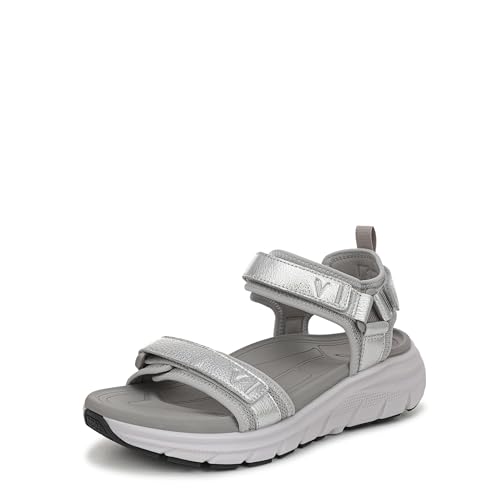
Premium upper materials
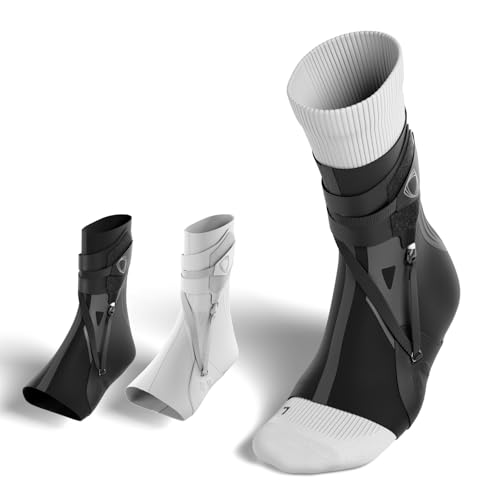
#1 Sports Ankle Brace Trusted by Pros: Worn by NFL, NBA, MLS, and NCAA athletes, The BetterGuard 3.0 is the ultimate ankle brace for injury prevention and performance. Trusted by men, women, and teens for basketball, soccer, football, volleyball, and more. Built for athletes at every level.

#1 FOOTBALL ANKLE BRACE FOR STABILITY: Experience 2.4x more lateral support than inside-the-shoe braces without limiting the ability to run/push off
The Role of Protective Equipment in Safety
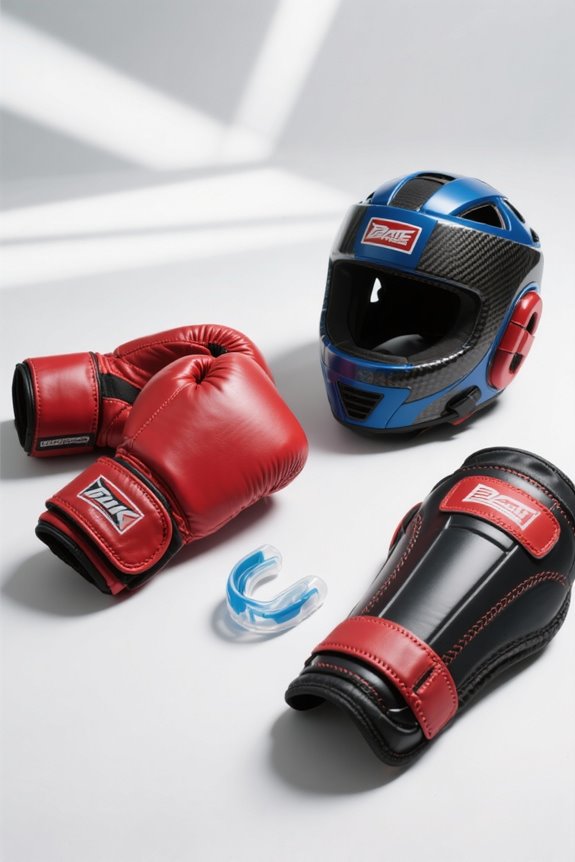
Protective equipment is a cornerstone of safety in combat sports. Properly fitted protective gear, such as headgear, gloves, and mouthguards, plays an essential role in minimizing injuries. For example, headgear notably reduces head injuries and knockouts in boxing. Safety regulations often require its use in competitions. Other important gear includes chest protectors, which shield the torso, and groin protectors to prevent common injuries in martial arts. While protective equipment can lower the risk of injury, it’s crucial to guarantee proper usage and fitting. Technological advancements are leading to better materials and designs, enhancing safety for athletes at all levels. Modern headgear incorporates features like multi-layered padding and adjustable closure systems to provide optimal protection while maintaining visibility and comfort during training. Investing in quality protective gear not only supports performance but also fosters participation in combat sports.
Recommended Products

SUPERIOR DURABILITY - Our Body Trainer Protector is crafted from high-quality leather, offering unmatched longevity. Say goodbye to wear and tear, train with confidence with the boxing body shield.

EVOLUTIONARY COMBAT SPORT HEADGEAR: Designed with advanced air armor technology, this martial art headgear provides superior protection and performance, setting a new standard for boxing headgear, workout equipment and fighting headgear alike.

REVOLUTIONARY COMBAT SPORT HEADGEAR: Designed with advanced air armor technology, this martial art headgear provides superior protection and performance, setting a new standard for boxing headgear, workout equipment and fighting headgear alike.
Implementing Effective Training and Conditioning

Preventing injuries in combat sports goes beyond just wearing protective equipment; effective training and conditioning are essential. Developing robust training techniques promotes safer practice, emphasizing proper form and skill acquisition. Coaches play a crucial role in guiding athletes, ensuring correct movement patterns are established under proper supervision. Mobility drills and dynamic warm-ups prepare the body for high-intensity activity, while structured strength training builds resilience against injury. Conditioning strategies, like periodized programming, help athletes manage load and prevent overuse. Incorporating core and stability exercises protects critical areas like the back and knees. Just as adjustable systems provide customizable support for various physical spaces, training programs must be tailored to accommodate individual athlete needs and capacity levels. Ultimately, a focus on gradual progression and individualized recovery fosters a supportive environment, empowering athletes to thrive while minimizing injury risks and enhancing performance.
Recommended Products

🥇 【Elite Resilience & Pro-Grade Durability】 Engineered from high-density, cross-linked XPE foam, our wrestling mats offer superior impact absorption and physical resilience. Unlike standard mats, the high-quality XPE material is resistant to light exposure and wear, ensuring it stays in peak condition even under the most intense daily training sessions for BJJ, MMA, or wrestling.

Train for Real Fight Scenarios Explode into counters, react mid-combo, and drill clutch decisions with reaction-based work built for combat sports.

Multiple Weight Options: Available in 35, 50, 70, 90, 120, and 140 lb to match any training level or discipline.
Strengthening Injury Surveillance Systems

A well-structured injury surveillance system can greatly enhance safety in combat sports. Reliable data collection is essential, utilizing web-based systems for timely insights during competitions, as proven in international events. On-site medical professionals, including MDs and athletic trainers, help achieve accurate injury reporting. To foster injury compliance, these systems should engage athletes and staff, making reporting simple and encouraging adherence. Incorporating immediate reporting tools mitigates underreporting and bias, ensuring that all injuries, even minor ones, are logged. Integrating these systems with event platforms allows for seamless data syncing. This cross-correlation aids in understanding injury patterns better, providing a supportive environment for athletes to thrive safely while promoting a shared commitment to health and safety. Athletes can further protect themselves during training by using equipment with shock absorption technologies that reduce impact on joints and minimize the risk of repetitive stress injuries.
Recommended Products

CNC Machined Metal Shock Absorbing Retracts

SOLID CONSTRUCTION - Durable shock-absorbing foam encased in a long-lasting synthetic leather shell. Base tank can hold up to 270 lbs of sand

What's included: An PJ type tactical helmet, tactical headset, helmet cover, accessory kit, battery pouch,NVG mount,GPNVG 18 Dummy Model,Helmet Light,and a MS2000 helmet light. Perfect for airsoft, paintball, tactical training, and outdoor activities. An ideal gift for loved ones.
Developing Data-Driven Prevention Strategies
As technology continues to evolve, data-driven strategies play an essential role in enhancing injury prevention in combat sports. Wearable sensors provide real-time data analysis on impacts, helping to identify injury risks early. These sensors monitor athlete physiology, providing critical insights into training loads and fatigue levels. By integrating multi-source data, teams can develop a holistic view of an athlete’s health, which guides personalized prevention strategies. Machine learning models also assist in predicting potential injury risks, enabling timely interventions. Coaches can utilize web-based tools that synthesize this data, fostering better decision-making. Just as activated charcoal’s porous structure effectively traps unwanted odors through increased surface area, advanced sensor technology captures comprehensive physiological data points that might otherwise go undetected. Ultimately, athlete monitoring through innovative technology can shift sports culture towards proactive injury prevention, creating safer environments for athletes to thrive together.
Collaborating for Comprehensive Injury Prevention
Collaborating across various disciplines is essential for effectively preventing injuries in combat sports. Multidisciplinary collaboration unites experts from sports medicine, psychology, and nutrition, creating a thorough approach to tackling injury causes. Integration of perspectives from coaches and health professionals enhances program implementation. Such collaboration breaks down communication barriers, fostering open dialogue that encourages accountability and effective teamwork. Structured frameworks clarify roles, enabling swift decision-making. Individually tailored injury prevention programs increase athlete engagement, promoting compliance with recommendations. This cohesive effort not only benefits professionals but also empowers athletes with knowledge. By sharing insights and strategies, all participants contribute to a robust culture of safety and resilience in combat sports, ensuring athletes can train and compete with confidence and support. Incorporating emotional health support mechanisms alongside physical training protocols helps athletes process the psychological demands of combat sports, addressing both mental and physical components of comprehensive injury prevention.
Exploring Future Research Directions in Injury Prevention
Injury prevention in combat sports is evolving rapidly, thanks to innovative research directions that promise to enhance athlete safety. Future technologies, like artificial intelligence and wearable sensors, offer personalized insights by analyzing complex data. These breakthroughs may considerably predict injury risks, making it easier to prevent them. Additionally, protective equipment innovations—such as improved padding in gloves—are essential for reducing injuries. Understanding athlete psychology through techniques like motor imagery can support rehabilitation efforts. Future studies focusing on injury mechanisms will further empower coaches, athletes, and medical teams. Training equipment advancements, including adjustable weight options in specialized bags, allow athletes to customize resistance levels for safer strength and conditioning programs. By embracing these advancements, the combat sports community can foster a safer, more supportive environment, allowing athletes to thrive and perform at their best.
Frequently Asked Questions
How Do Age and Experience Levels Affect Injury Rates in Combat Sports?
Age and experience levels considerably affect injury rates in combat sports, with youth training showing lower risks. As skill progression occurs, older and more experienced athletes experience increased injuries due to higher exposure and competition intensity.
What Specific Warm-Up Exercises Are Best for Injury Prevention?
Research shows that 70% of injuries occur without a proper warm-up. Dynamic stretching, coupled with sport-specific drills, greatly enhances flexibility and prepares athletes for competition, fostering a sense of community and shared dedication in training.
Are There Dietary Considerations for Athletes to Reduce Injury Risk?
Dietary considerations for athletes include effective nutrition strategies, emphasizing recovery foods that promote muscle repair and glycogen restoration. A well-balanced diet enhances resilience, reduces inflammation, and supports overall performance, fostering a sense of community among competitors.
How Can Coaches Support Athletes’ Mental Health During Injury Recovery?
Coaches can bolster athletes’ mental resilience during injury recovery by fostering emotional support systems, encouraging open communication, and promoting involvement in team activities, thereby reducing feelings of isolation and enhancing the athletes’ sense of belonging.
What Role Does Hydration Play in Preventing Injuries During Training?
Hydration plays a vital role in injury prevention during training; it offers hydration benefits like joint lubrication and muscle recovery. Conversely, dehydration risks include increased injury susceptibility and impaired performance, emphasizing the importance of maintaining fluid balance.


