As an Amazon Associate, we earn from qualifying purchases. Some links on this site are affiliate links at no extra cost to you. Our recommendations are based on thorough research and editorial judgment.


Understanding EVA and Gel Materials in Guards

EVA and gel materials are essential in protective gear, particularly guards. EVA foam is lightweight, flexible, and offers excellent shock absorption, enhancing comfort during extended wear. It also has a closed-cell structure, providing low water absorption. In contrast, gel materials provide firmer support and are durable under pressure. Both materials are customizable, ensuring a snug fit. Understanding how these materials function helps in choosing the right protection. Explore their unique properties and applications for better gear decisions.
Key Takeaways
- EVA materials offer excellent shock absorption and flexibility, making them ideal for protective gear like mouthguards and sports padding.
- Gel materials provide firm support and effective force distribution, suitable for short-term high-impact activities rather than prolonged wear.
- EVA is generally lighter and more comfortable for extended use, while gel tends to be more durable and maintains shape under pressure.
- Both materials can be customized for precise fitting, improving protection and safety for users in various sports.
- EVA foam’s non-toxic nature and flexibility enhance user comfort, while gel materials focus on providing firm protection during abrupt impacts.
Characteristics of EVA Materials
EVA materials, known for their versatility, possess a unique set of characteristics that make them popular across various industries. With a density range from 20 to 150 kg/m³, EVA can be customized for firmness and flexibility. Its closed-cell foam structure promotes low water absorption, enhancing EVA buoyancy, which is particularly beneficial for marine applications. EVA also features low compression set, allowing it to recover rapidly after EVA compression, providing reliable cushioning. The material’s elongation at break values, between 200-600%, contribute to its impressive flexibility and tear resistance. Additionally, it showcases good UV resistance and is non-toxic, making it safe for human contact. These characteristics guarantee that EVA can meet diverse needs while remaining functional and durable. The lightweight and breathable nature of EVA foam also makes it an excellent choice for athletic applications where moisture-wicking properties enhance overall comfort during extended wear.
Recommended Products

Creel jacquard engineered mesh

Welded backstay adds support; 1:1 Firm Flex PowerUp Tongue for a snug fit between boot and tongue; ReBounce Cushioning placed within the shell of the boot adds a close layer of impact protection; Life Liner uses heat-moldable, lightweight materials and a responsive PU tongue for high-end performance with a relaxed feel

High quality durable leather upper.
Advantages of EVA Foam in Protective Gear

The advantages of using EVA foam in protective gear are significant, making it a preferred choice among manufacturers and athletes alike. EVA benefits include exceptional shock protection, as the foam absorbs and dissipates impact energy, reducing the force transferred to the body. This leads to fewer injuries, particularly in combat sports. Its lightweight nature enhances comfort and supports prolonged wear without fatigue. Eva’s durability guarantees long-lasting performance, maintaining flexibility despite repeated use and environmental stressors. Additionally, customization options enable precise fitting, improving overall safety. With a blend of lightness, durability, and effective shock absorption, EVA foam stands out as a formidable choice in various protective applications, catering to both active lifestyles and professional needs. Similar to how multi-layer foam padding in MMA gloves provides enhanced impact absorption and knuckle protection, EVA foam delivers comparable protective benefits across different types of athletic equipment.
Recommended Products
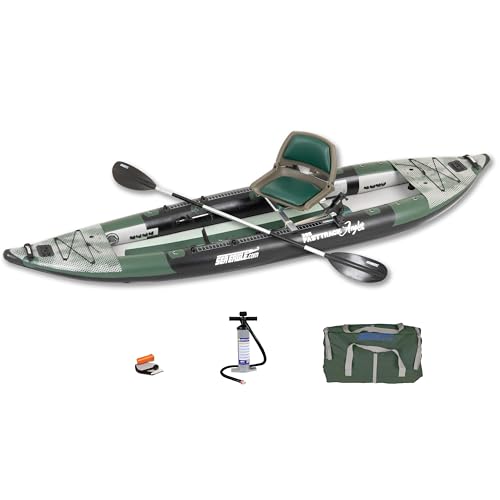
Inflatable Kayak, state of the art, external, rigid, inflatable NeedleKnife Keel for true tracking
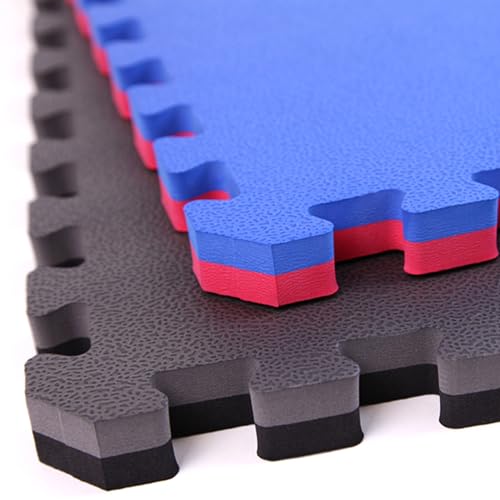
【Built for combat sports and home fitness】These 1” thick interlocking foam tiles are perfect as MMA mats, jiu jitsu mats, wrestling mats, and workout mats for home gyms. High-density EVA foam offers joint-saving shock absorption for every takedown, roll, or roundhouse.

Custom fit for the Behringer X-32 Compact
Comparison of EVA and Gel Materials

When comparing EVA and gel materials, it becomes clear that each offers unique characteristics suited to different applications. EVA provides a softer, more flexible fit, making it favored for comfort levels during extended wear. In contrast, gel is lighter and offers firm support, appealing for shorter, high-impact activities. Durability factors also set them apart; gel typically lasts longer, maintaining shape and performance better under pressure, while EVA may compress with heavy use. EVA excels in cushioning, acting like a soft mattress, but can concentrate force upon impact. Conversely, gel distributes force effectively, enhancing protection during abrupt impacts. For martial arts training, EVA-Lution foam combines the benefits of traditional EVA with upgraded impact dispersion technology to provide superior shock absorption during sparring sessions. Each material has its strengths, making the choice dependent on the specific needs of the user and their activities.
Recommended Products

The RIVAL RB10 Intelli-Shock bag glove is the result of 2 years of development with some of boxing’s best athletes and has been designed to give the boxer the ultimate in hand protection.

THE ULTIMATE HEADGEAR - Boxing headgear designed to provide durability. Handmade, designed and approved by the U.S.A. Boxing for amateur and Olympic competition requirements.

Curved shape: Fairtex Thai pads are specifically designed for maximum endurance and impact. This boxing equipment allows for hard hitting & punching with maximum trainer protection
Application of EVA in Mouthguards

In the domain of protective dental gear, mouthguards made from EVA have gained popularity due to their favorable properties. EVA mouthguards excel in impact absorption, effectively dispersing energy during sports to minimize the risk of dental injuries. The flexibility of EVA allows these mouthguards to adapt perfectly to individual mouth shapes, providing comfort while ensuring complete coverage of teeth and gums. Additionally, EVA’s non-toxic nature and customization options enhance user experience, making it a preferred choice among athletes. Darker EVA colors can even improve energy retention, boosting protective performance. With their balance of protection, comfort, and adaptability, EVA mouthguards serve not only in sports but also for therapeutic applications, ensuring users feel secure and supported. The Venum Challenger Mouthguard demonstrates these advantages through its high-quality EVA material that effectively absorbs impact while maintaining a lightweight design for enhanced communication and airflow.
Recommended Products

Custom-Fit Precision – Molded perfectly to the shape of your mouth utlizing the latest 3D print technology, ensuring a snug and secure fit. No more bulky, uncomfortable mouth-guards!

Custom Fit & Comfort – Individually handcrafted to provide a precise, secure, and comfortable fit that molds perfectly to your teeth.

Deluxe 8 Piece Sparring Set
Manufacturing Techniques for EVA Foam

Numerous techniques are utilized in the manufacturing of EVA foam, each contributing unique benefits to the final product. One key method is vacuum molding, where softened foam is shaped around custom molds to create specific designs. This technique guarantees a snug fit, crucial for protective gear. Additionally, foaming agents are added to create gas bubbles, forming a closed-cell structure that enhances shock absorption and moisture resistance. Heat application is also essential; radiant heaters soften EVA sheets for shaping. With precise control over the ethylene-to-vinyl acetate ratio, manufacturers can customize density and softness to meet various performance needs. These processes combine to produce durable, flexible materials that cater to diverse applications, fostering a sense of belonging in sports and other activities. Like protein powders that incorporate digestive enzymes for improved absorption, some EVA foam formulations include additives to enhance material properties and performance characteristics.
Recommended Products

COMPLETELY INFLATABLE, PORTABLE, STORABLE AND TRANSPORTABLE. Can be stowed in the back of most cars and in relatively small spaces because it has no frame. It doesn't require a trailer so you can carry it to the most remote hard-to-reach locations where the fish hide most!

OPEN COCKPIT FOR MORE SPACE: For a 12' boat, FastCats offer an incredible amount of usable space. They EASILY hold 2 (FASTCAT12) to 4 adults (FASTCAT14) and several hundreds of pounds of fishing or camping gear.
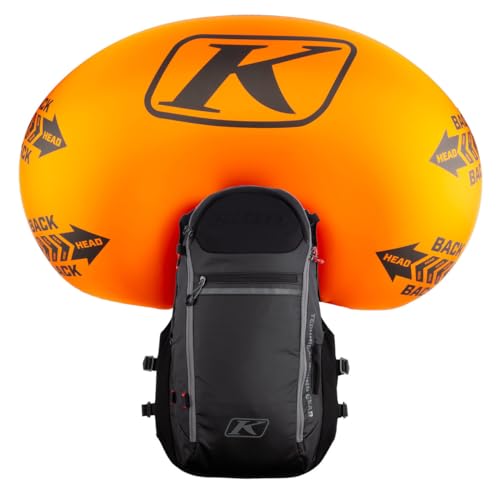
Atlas 14 total vest weight Small: 1,933 grams (4.26 lbs), Large: 2,041 grams (4.5 lbs)
Frequently Asked Questions
How Do EVA and Gel Materials Perform in Extreme Temperatures?
EVA and gel materials demonstrate impressive temperature resilience, showcasing material durability in both extreme cold and heat. Their unique properties guarantee flexibility at low temperatures and stability at high temperatures, creating a reliable choice for various applications.
Are There Any Health Risks Associated With EVA Materials?
EVA materials may pose health risks due to potential toxicity, particularly concerning additives. However, when manufactured responsibly, they can provide health benefits like flexibility and comfort, fostering a sense of belonging among users in various applications.
Can EVA Foam Be Recycled After Its Use?
EVA foam can indeed be recycled after use, contributing to effective waste management. However, challenges such as low recycling rates and limited facilities hinder broader adoption, emphasizing the need for improved recycling technologies and practices.
What Factors Affect the Lifespan of EVA Protective Gear?
Like a well-tended garden, the lifespan of EVA protective gear hinges on durability factors and maintenance practices. Environmental exposure, mechanical stress, and proper care ultimately dictate how long these essential items withstand the trials of time.
How Are EVA and Gel Materials Tested for Performance?
EVA and gel materials undergo various testing methods, including mechanical assessments and optical evaluations, to determine performance metrics like cross-link density and gel content, ensuring that they meet quality assurance standards for durability and functionality.


