As an Amazon Associate, we earn from qualifying purchases. Some links on this site are affiliate links at no extra cost to you. Our recommendations are based on thorough research and editorial judgment.


Breathing and Speech With Guards: Design Factors That Help

Design factors greatly influence breathing and speech when using mouthguards. The choice of materials, such as silicone or EVA, affects comfort and durability. Proper fit is critical; customized mouthguards guarantee ideal airflow and reduce choking risks. Thickness impacts breathing comfort, with 4 mm being ideal. Design variations, like rounded edges, enhance speech clarity. Different types, such as boil-and-bite or custom-made options, cater to specific needs. To explore how these elements work together, continue through the information provided.
Key Takeaways
- Proper fit of mouthguards ensures unobstructed airways, enhancing both breathing comfort and reducing choking risk during athletic activities.
- Thinner designs, ideally around 3-4 mm, optimize airflow while maintaining protection, benefiting both breathing and speech clarity.
- Customized mouthguards enable natural tongue and lip movement, improving articulation and communication for athletes.
- Rounded buccal margins and well-trimmed palatal edges in designs enhance comfort and reduce speech interference during performance.
- Anti-gag designs help facilitate communication while protecting against impacts, promoting efficient breathing and speech.
Materials and Their Impact on Performance
When choosing materials for breathing and speech mouth guards, several factors influence their effectiveness. The material evolution over the years has vastly improved performance comparison. Acrylic offers strong protection but can be uncomfortable for speech, while Ethylene Vinyl Acetate (EVA) strikes a balance between comfort and durability. Silicone is favored for its flexibility and comfort, making it suitable for overnight use. Plastic, often found in boil-and-bite models, allows for quick adjustments but may lack durability. Hybrid materials blend soft and hard components, optimizing comfort and protection. High-quality EVA material effectively absorbs impact while maintaining a lightweight design that facilitates communication and airflow. Ultimately, the right material choice impacts not just protection but also the ability to communicate clearly, ensuring users feel at ease whether they’re sleeping or speaking.
Recommended Products

EASY AND CONVENIENT AT HOME IMPRESSION KIT - you'll receive a DIY impression kit with everything required to take your own upper or lower dental impression. You pick whether your guard will be made to either your upper or lower teeth. Once you send in your completed dental impression to enCore, our technicians will fabricate a night guard specific to your teeth.

Individual Packaging:Enjoy 100 individually wrapped sports mouth guards in vibrant assorted colors, providing ample supply for extensive use, replacements, and sharing during intense athletic activities like football and boxing

QuickFIT MOUTHGUARD – Impact QuickFIT "boil and bite" sports mouthguards have been designed so you can form them to a perfect fit right in your kitchen. A convenient solution to protecting your teeth and perfect for braces.
The Importance of Proper Fit and Customization

Proper fit and customization of mouthguards play a crucial role in both safety and performance. A well-fitted mouthguard guarantees that airways remain unobstructed, reducing the risk of choking or breathing difficulties during sports. Custom benefits include improved comfort and stability, allowing for better focus on the game. Athletes enjoy enhanced speech clarity, as properly fitting guards allow natural tongue and lip movement. In addition, customized mouthguards distribute impact forces effectively, minimizing injury risks. Their tailored design aligns with individual bite characteristics, directly influencing fit performance. When athletes find a guard that feels like a natural extension, they are more likely to wear it consistently, maximizing safety and enhancing their overall athletic experience. Modern boil-and-bite designs offer an accessible way to achieve custom fit at home, allowing athletes to mold the guard precisely to their dental structure for optimal comfort and protection.
Recommended Products

FDA-CLEARED ANTI-SNORING SOLUTION: The Somnofit-S is a top-rated anti-snoring device, clinically proven to reduce snoring and improve sleep quality from the very first night. It's perfect for anyone looking for a snoring solution that truly works.


Custom-Fit Precision – Molded perfectly to the shape of your mouth utlizing the latest 3D print technology, ensuring a snug and secure fit. No more bulky, uncomfortable mouth-guards!
Thickness and Its Effect on Breathing Comfort

Thickness plays a pivotal role in the comfort and effectiveness of mouthguards during athletic activities. Thickness variations can greatly impact oral airflow, especially during high-intensity exercise. Thicker mouthguards may limit airflow, making it harder to breathe efficiently. On the other hand, custom-made mouthguards provide an ideal thickness, often around 4 mm, which balances protection and comfort. This design guarantees that athletes experience less interference with their breathing. Choosing a mouthguard with the right thickness is essential for avoiding discomfort and maintaining performance. Custom options enhance fit and airflow, allowing for greater ease during vigorous activity. Silicone mouthguards offer effective shock absorption while maintaining a design that accommodates natural breathing patterns during combat sports. Ultimately, understanding thickness variations empowers athletes to select mouthguards that support both safety and breathing comfort.
Recommended Products

PERFECT-FIT MOUTHGUARD – Get a 100% perfect fitting mouthguard for optimal protection. We send you a professional-grade, fast, and easy-to-use at-home teeth impression kit (includes paid postage to the dental lab).

Dentist-Designed Mouthguards: Co-founded by a dentist and trusted by dental professionals across the U.S. designed for maximum protection and comfort.
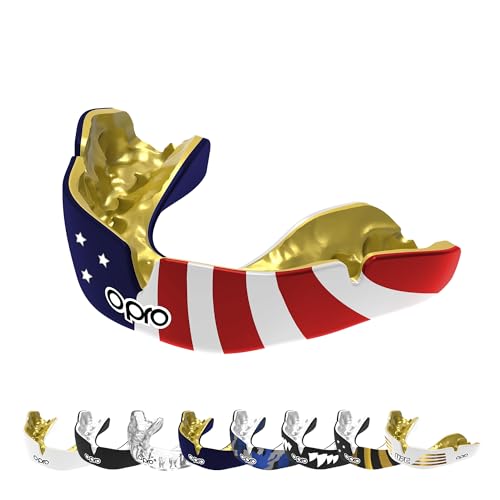
INSTANT CUSTOM FIT MOUTHGUARD – Specially designed using ComfortPro Gel with an inner layer of dental impression fins that mold to your teeth and gums, OPRO's Instant Custom-Fit hockey mouth guard delivers dentist-level comfort and protection
Design Variations: Enhancing Speech Clarity

Design variations in mouthguards greatly influence speech clarity, making it important for athletes and wearers to take into account their impact. Ideal design considerations include minimizing bulk and ensuring proper occlusion. For example, rounded buccal margins and a well-trimmed palatal edge boost comfort and reduce speech impairment. A labial thickness of 3–4 mm at the incisors balances protection with articulation needs, avoiding excessive thickness that could hinder clarity. Furthermore, materials with inner layers that allow flexibility preserve natural oral movements essential for clear speech. Modern mouthguards featuring an anti-gag design help minimize interference during performance while maintaining effective communication capabilities. By prioritizing these design dynamics, users can enjoy enhanced speech performance while feeling a sense of connection with their equipment. Ultimately, the right mouthguard fosters both protection and clear communication, critical for success in sports.
Recommended Products

INSTANT CUSTOM FIT MOUTHGUARD – Specially designed using ComfortPro Gel with an inner layer of dental impression fins that mold to your teeth and gums, OPRO's Instant Custom-Fit hockey mouth guard delivers dentist-level comfort and protection
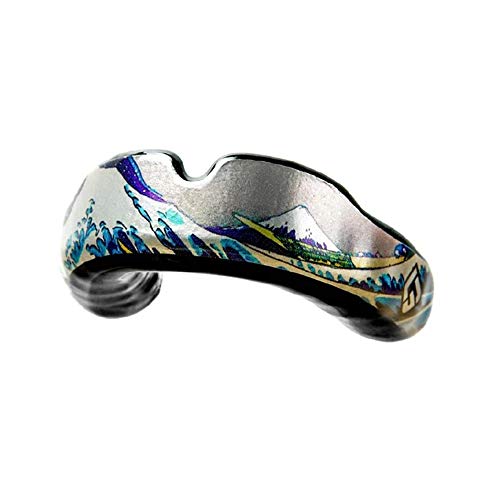
“A BETTER BOIL & BITE” - Suitable for all sports. Most comfortable and innovative mouthguard on the market, developed using 3D Technology. 100% Made in the USA.
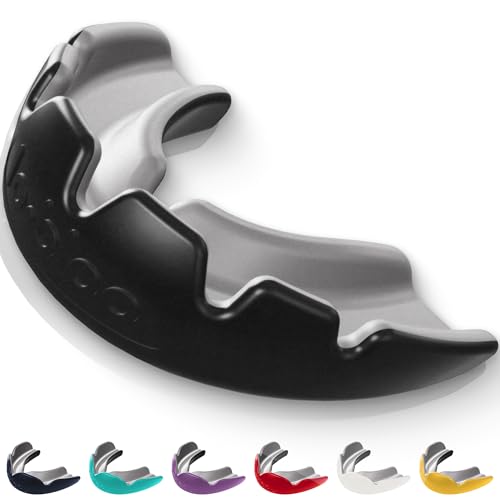
DESIGNED BY ATHLETES: Tried and tested by elite athletes active in a multitude of sports.
Mouthguard Types: Choosing the Right One

Selecting the right mouthguard is essential for both protection and comfort—it can greatly impact athletic performance. There are various options available to meet different needs. Stock alternatives are affordable and easy to find but may lack comfort and a proper fit. On the other hand, boil-and-bite mouthguards offer boil bite benefits, allowing users to mold them for a more customized fit, which improves comfort during use. For those seeking the best protection, custom-made mouthguards are tailored to individual dental impressions, offering superior comfort and retention. Although they come at a higher cost, they are often worth the investment for serious athletes or individuals dealing with bruxism. Some modern designs incorporate hi-flow gel technology to enhance airflow and hydration while maintaining protection during intense sports activities. Each type serves distinct functions, promoting safety and encouragement within sports activities.
Recommended Products

HIGH QUALITY MATERIAL: Braces case is made of food-grade PC material, odorless and non-toxic, natural latex-free, sturdy and durable, can be used for a long time.

✨ Luxurious Marble Design- Crafted with premium BPA-free plastic featuring realistic stone veining, combining scratch-resistant durability with elevated aesthetics. Ideal for daily use with timeless sophistication (multiple marble color available).

😊 Light and Portable - These Aligner cases can be used for DIY. Unique Modern Design with Various bright and beautiful colors. You can design beautiful patterns on the box surface, as gifts for your friends, family, lover, colleagues. It will be a very perfect gift.This slim retainer case is the only container designed by YOUYA for your standard aligners and retainers
Balancing Functionality for Sports and Sleep Apnea
Balancing functionality between sports and sleep apnea treatments requires careful consideration of several factors. Custom-fitted mouthguards optimize user experience by providing effective jaw repositioning for sleep apnea while also offering protection during sports. These guards utilize advanced materials that balance flexibility and firmness, enhancing comfort without compromising airway management. Customization options allow for modifications in thickness and fit, which help maintain breathability during physical activity. Unlike over-the-counter products, tailored designs reduce bulkiness, thereby minimizing interference with speech clarity. The right mouthguard can integrate impact protection and airway support, ensuring that athletes can communicate effectively while prioritizing their health. Similar to full-face boxing headgear, proper ventilation features like air vents for breathability help reduce heat buildup during intense training sessions. This thoughtful design approach supports both performance and therapy, creating a well-rounded solution for users dedicated to their sports and overall well-being.
Frequently Asked Questions
How Can I Clean My Mouthguard Effectively?
To effectively clean a mouthguard, one must practice diligent mouthguard maintenance. Utilizing gentle cleaning solutions like mild soap or vinegar, along with regular rinsing and thorough drying, guarantees hygiene while prolonging its lifespan and effectiveness.
Can Mouthguards Cause Tooth Movement Over Time?
Research indicates that 40% of individuals using ill-fitting mouthguards may experience tooth movement, leading to significant orthodontic implications. Proper fit guarantees ideal tooth alignment, fostering a sense of security and community among those prioritizing their dental health.
Are There Age Restrictions for Mouthguard Use?
There are no specific age restrictions for mouthguard use. Recommended for enhancing children’s safety, mouthguards are advised across all ages engaged in high-risk sports activities, focusing more on participation than age alone for effective protection.
How Often Should I Replace My Mouthguard?
Mouthguard durability varies by type, influencing replacement frequency. Custom-fitted guards require replacement every 1 to 2 years, while stock types may need updates every 3 to 6 months for ideal protection and comfort.
Do Mouthguards Come in Different Colors and Designs?
Mouthguards come in an impressive array of colors and designs, with over 50 options available. Custom mouthguards enhance mouthguard aesthetics, allowing athletes to express individuality while fostering team unity and a sense of belonging on the field.


