As an Amazon Associate, we earn from qualifying purchases. Some links on this site are affiliate links at no extra cost to you. Our recommendations are based on thorough research and editorial judgment.


The Science of Impact Absorption in Modern Bag Materials

Impact absorption in modern bag materials relies on innovative techniques and compositions. Materials like leather, canvas, and nylon provide durability and water resistance. Architected structures enhance energy absorption by scattering shock forces. Techniques like elastic or plastic deformation improve performance in high-impact situations. High-strength composites, such as Dyneema and Kevlar, offer outstanding durability. Future innovations focus on smart materials and sustainable options to reduce environmental impact. Explore how these developments continue to shape bag design and functionality.
Key Takeaways
- Modern bag materials employ architected structures to enhance energy absorption, effectively mitigating shock during impacts.
- Composite materials with improved interfacial strength offer resilience, increasing performance in high-impact scenarios.
- High-performance materials, such as Dyneema and Kevlar, provide durability and cut resistance, essential for bag safety.
- Incorporation of shock-absorbing foams in bags helps dissipate impact energy, protecting contents from damage during transport.
- Innovative designs, including biodegradable foams, are emerging to balance impact resistance with sustainability in modern bag manufacturing.
Material Composition and Its Impact on Performance
When it comes to the materials that make up bags, the choice can greatly affect performance. Various options exist, each with unique benefits. Leather, known for its durability, can endure years of use. Meanwhile, canvas and nylon offer strong resistance against water, enhancing longevity. Composite materials stand out by combining these properties, optimizing strength and flexibility. Sustainable practices increase their appeal, particularly when using recycled polyester, which performs comparably to virgin materials. Each material’s composition influences tensile strength and moisture resistance, ultimately affecting comfort and usability. So, understanding how different materials interact can guide you to choose the right bag, one that not only meets your needs but also reflects a commitment to sustainability. For athletes and fitness enthusiasts tracking their training sessions, integrating features like count retention during power interruptions can ensure data continuity even when equipment experiences electrical disruptions.
Recommended Products

Adjustable suspension alleviates bumps and jostles on any terrain

A CAMPER'S RETREAT: The much-loved Wawona 8 eight-person tent is easy to set up, has a double-wall construction and includes a huge vestibule that makes it feel less like a tent and more like a home.

To keep little ones safe, returned car seats with open boxes must be destroyed (per industry standards). So, before you unbox your Pico, please make sure it's the exact item you intended to purchase and wanted for your on-the-go needs. Thanks for doing your part to keep car seats out of landfills and on to new adventures with your family!
The Role of Architected Structures in Energy Absorption

Architected structures play a crucial role in energy absorption, especially in applications that require effective shock mitigation. These innovative designs harness complex energy pathways to scatter and delay shock transmission, which enhances impact performance. By employing techniques like elastic or plastic deformation, these structures can absorb energy in both temporary and permanent ways. Unique geometries, such as curved or kinked designs, influence how energy is absorbed, with each type offering different benefits under strain. Inspired by nature, these architected materials promote better energy dissipation and reusability in various settings. This versatility guarantees they meet diverse needs, making them ideal for everything from packaging to aerospace applications. Modern training equipment utilizes similar principles, with materials like 1050D military-grade nylon offering superior wear resistance through reinforced structural design. The future of impact absorption looks promising with these advancing technologies.
Importance of Shock-Absorbing Materials in Packaging
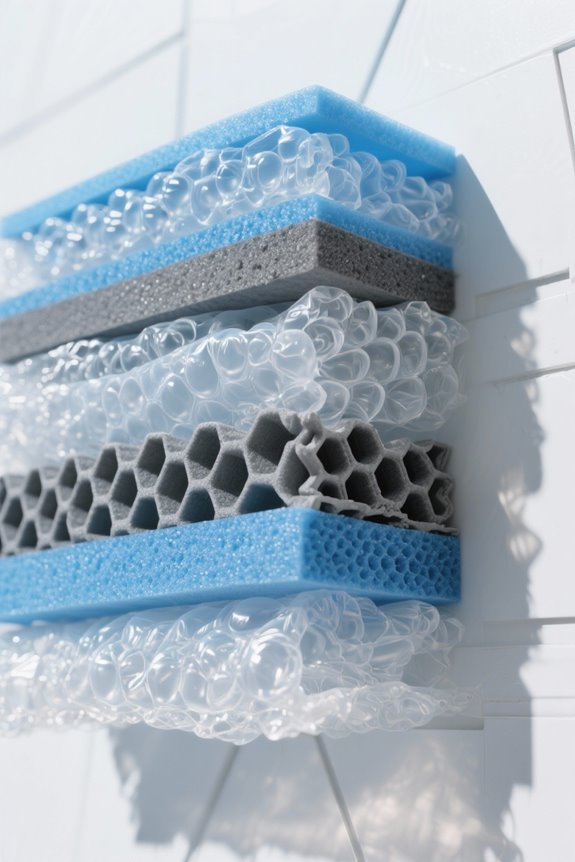
Shock-absorbing materials play an essential role in the packaging industry, particularly for protecting fragile products during transport. These materials enhance shock absorption, minimizing damage by absorbing and dissipating impact energy. This protection is crucial for delicate items, such as electronics and glassware, ensuring they arrive intact. Packaging innovation has led to various effective materials, like foams and bubble wrap, that cushion and spread loads evenly. Additionally, they mitigate vibrations that could harm sensitive products. By improving product integrity, companies experience fewer returns and damage claims, leading to enhanced customer satisfaction. Utilizing these materials not only protects goods but also promotes a more efficient supply chain, highlighting their significance in today’s packaging landscape. Similar to how durable materials in adjustable storage systems provide longevity and resistance to wear, high-quality packaging materials ensure sustained protection throughout the distribution process.
Recommended Products

Magic Mirror Photo Booth: Integrates full hd touch screen, auxiliary lighting and led ambient lights. Mirror photo booth features a mini computer with 8GB RAM and 256GB NAS. Available in 32 inch or 43 inch touch screen sizes for use

20.3 Cu.Ft. Capacity: Skilled in cold storage and freshness, this refrigerated prep table includes a 67 x 19.3 inch cutting board for pizza-making. The perforated shelf has 9 stainless steel 1/3 pans that are heavy-metal free and easy to clean
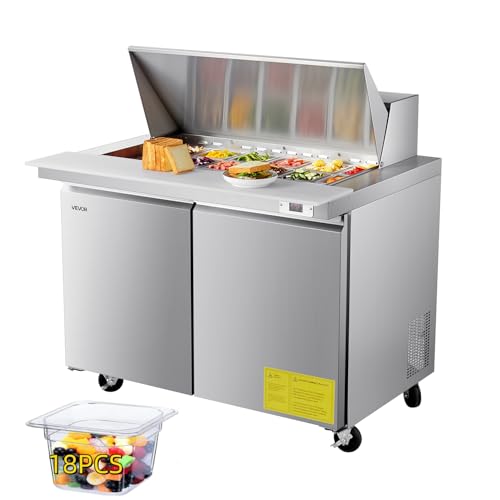
12.5 Cu.Ft. Capacity: Skilled in cold storage and freshness, this refrigerated prep table includes a 48.4 x 9.5 inch cutting board for sandwich-making. The perforated shelf has 18 stainless steel 1/6 pans that are heavy-metal free and easy to clean
High-Performance Materials for Impact Resistance

Uncovering high-performance materials for impact resistance is crucial in creating durable bags that withstand the rigors of daily use. High-strength synthetic composites like polypropylene and thermoplastic polyurethane guarantee lasting quality. Polycarbonate materials offer both flexibility and impact resistance, making them common in lightweight luggage designs. Dyneema, recognized for its ultra-high strength, is ideal for outdoor gear requiring exceptional durability. Kevlar provides extreme cut resistance, appealing to those needing robust tactical bags. These materials not only enhance high-performance durability but also cater to eco-conscious consumers seeking sustainability. With options like recycled fabrics and natural fibers, brands are now responsible stewards of the environment while delivering reliable, stylish bags that become part of a belonging experience. Modern boxing equipment incorporates shock-absorbing designs that reduce injury risk while maintaining the structural integrity needed for intensive training sessions.
Recommended Products

SUPERIOR DURABILITY - Constructed from high-impact polymer, this Pelican 1690 case withstands extreme conditions, protecting your valuable photography equipment from damage.

Pelican ATX luggage collection offers protective, premium hard-sided luggage designed for mission-critical adventures and everyday travel. The collection includes carry-on and check-in sized luggage that will safeguard all your belongings with unparalleled strength and style

Heavy-Duty Rack Case: Ultra-rugged 6U fly rack is built for audio gear, DJ equipment, and studio accessories, offering secure, high-performance gear transport
Advanced Functional Fillings in Modern Bag Design

In today’s bag designs, advanced functional fillings play a pivotal role in enhancing both structure and usability. These innovative fillings, such as sustainable cotton textiles and lightweight polypropylene, improve durability while maintaining a stylish appeal. Handbags benefit from acid-free tissue papers that preserve shape without damaging materials. Custom satin pillows provide shape support for luxury designs, ensuring they maintain their elegance. In addition, modular systems are emerging, allowing users to interchange inserts based on their needs, making bags more versatile. The repurposing of old textiles as eco-friendly stuffing speaks to a growing awareness of sustainability. For athletic applications, multi-layer shock absorption foam has become essential in protecting users during high-impact activities while ensuring long-lasting performance. As designers embrace these advanced fillings, they provide not only protection but also a distinct identity for users keen to express themselves.
Recommended Products

【500 Thread Count Pure Cotton Shell】 Encased in a downproof, 500-thread-count, 100% cotton sateen shell featuring a subtle Damask Swiss Dot design and double-needle edge with satin cord piping. OEKO-TEX Standard 100 certified, this soft and breathable fabric is durable, and helps regulate temperature for comfortable and cozy lasting comfort. Highly recommended for its luxurious feel.

【700 Thread Count Pure Cotton Shell】 Encased in a downproof, 700-thread-count, 100% cotton sateen shell featuring double-needle edge with satin cord piping. OEKO-TEX Standard 100 certified, this silky-smooth fabric is breathable, durable, and helps regulate temperature for lasting comfort. Perfect for those seeking hotel collection quality bedding.

【300 Thread Count Tencel Organic Cotton Shell】 Encased in a downproof, 300-thread-count shell crafted from 50% Tencel lyocell and 50% organic cotton and finished with fine double-needle edge piping. OEKO-TEX Standard 100 certified, this naturally soft and breathable fabric provides excellent moisture-wicking properties and helps regulate temperature for comfortable lasting comfort. Perfect for those seeking cooling comfort.
Impact of Water Absorption on Mechanical Strength
As materials absorb water, their mechanical strength and performance can considerably decline. Water diffusion into bag materials weakens the fiber-matrix interface, leading to diminished mechanical integrity. For instance, interfacial shear strength can drop from 78.4 MPa in dry conditions to just 28.3 MPa after extended water exposure. This significant reduction affects tensile strength, while tensile modulus may remain stable. Swelling fibers introduce internal stresses and micro-cracking, further compromising structural integrity. High water content disrupts load transfer between fibers and the polymer matrix, severely impacting overall performance. The reality is clear: managing water absorption is essential for ensuring the durability and effectiveness of modern bag materials. Understanding these dynamics cultivates better designs suited for diverse environments. To preserve optimal performance, manufacturers recommend storing heavy bags in climate-controlled environments where moisture exposure can be minimized, preventing the degradation of material properties over time.
Strategies for Enhancing Fiber-Matrix Adhesion
Enhancing fiber-matrix adhesion is vital for improving the performance of composite materials. Effective adhesion mechanisms include interdiffusion, electrostatic interactions, and mechanical interlocking. Implementing fiber treatments, both chemical and physical, can greatly boost adhesion. Chemical methods remove impurities and increase surface roughness, while physical treatments, such as heat or plasma, introduce reactive groups that bond effectively with the matrix. Optimizing wettability is essential; surfaces with lower contact angles are better at bonding, making fibers and resins work harmoniously. Advanced strategies, including nanoparticle incorporation, can further enhance interfacial strength. By employing these strategies, manufacturers can guarantee stronger, more resilient composite materials, leading to improved overall performance in impact-absorbent applications. Modern punching bags utilize these principles through materials like PU leather construction, which provides both durability and effective shock absorption during high-intensity training sessions.
Recommended Products

Full Pallet of Padded Mailers: These black bubble mailers outer size is 4x8 inch, while the inner size is 4x7 inch. It is very suitable to transport for jewellery, makeup, cards, phone case, Lips, photos,handcraft and more. Great for small business packing,shipping gifts cushioning mailer.

Air Ride pin boxes by Trailair, the original air ride suspension solution for RV fifth-wheels, improves the towing experience by reducing road shock vibrations and chucking
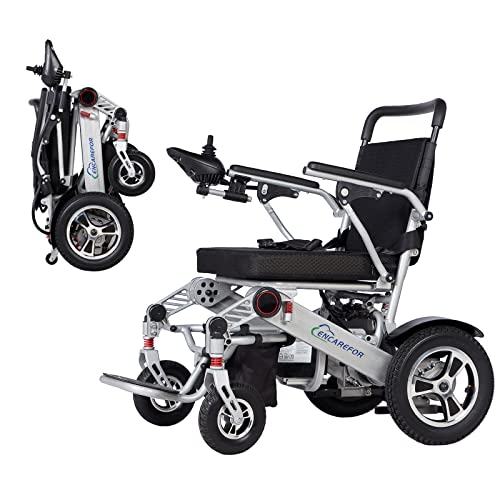
Seat width upgrade: The seat width of the Encarefor electric wheelchair reaches 20 inches, making it more comfortable!
Future Trends in Impact Absorbent Bag Materials
What does the future hold for impact absorbent bag materials? Innovations are paving the way for a harmonious blend of sustainability and performance. The rise of smart packaging is on the horizon, where integrated sensors can monitor freshness and impact, ensuring peak product integrity. Biodegradable foams are advancing, with materials like PLA and PHA becoming more commonplace. These eco-friendly options reduce environmental impact while offering enhanced shock absorption through structures like molded pulp and air columns. Research into nano-structured composites promises to improve energy dissipation during impacts. As consumers increasingly seek sustainable solutions, the packaging industry is adapting, creating customized, efficient solutions that resonate with eco-conscious communities and align with circular economy principles. Advanced materials incorporating multi-layer shock absorption foam are already being utilized in sports equipment to minimize injury risk while maintaining optimal performance standards.
Frequently Asked Questions
How Do Bag Materials Affect Product Shelf Life?
Bag materials affect product shelf life like a sturdy fortress protects treasures. Enhanced bag durability guarantees ideal shelf stability, preventing spoilage from moisture and air, ultimately fostering a shared sense of belonging through prolonged enjoyment of fresh products.
Can Impact-Absorbing Bags Be Recycled Effectively?
Impact-absorbing bags can be recycled effectively, albeit with challenges. Emerging recycling processes and material innovations enhance efficiency, raising awareness and encouraging community participation in sustainable practices, ultimately fostering a collective commitment to reducing waste and environmental impact.
What Are the Environmental Impacts of Synthetic Cushioning Materials?
Synthetic cushioning materials contribute greatly to microplastic pollution, harming ecosystems and wildlife. Emphasizing biodegradable alternatives can mitigate these environmental impacts, fostering a collective responsibility towards a healthier planet and promoting sustainable practices in consumer choices.
How Do Temperature Changes Affect Bag Material Performance?
Temperature fluctuations subtly influence material elasticity, degrading performance. As materials experience either warmth or chill, they often exhibit diminished flexibility, potentially compromising durability and protective capabilities, ultimately challenging the reliability expected by discerning users in diverse environments.
What Are the Costs Associated With Developing Impact-Resistant Bag Materials?
Developing impact-resistant bag materials incurs significant costs due to rigorous material testing, specialized manufacturing processes, and the integration of advanced technologies, all of which enhance durability but increase investment demands for producers seeking quality assurance and consumer safety.


