As an Amazon Associate, we earn from qualifying purchases. Some links on this site are affiliate links at no extra cost to you. Our recommendations are based on thorough research and editorial judgment.


Measuring Progress on the Bag: Volume, Tempo, and Consistency

Measuring progress on the bag involves analyzing punch count, tempo, and consistency. Tracking total strike count provides insights into a boxer’s volume and stamina. Technology aids this process, offering real-time metrics on punch speed and power. Monitoring punch rate improves pacing and effectiveness, while accuracy enhances striking precision. Incorporating Rate of Perceived Exertion (RPE) helps gauge workout intensity. By understanding these aspects, athletes can make informed adjustments, ultimately leading to enhanced performance and growth in skills. Continue on to explore more engaging aspects of training.
Key Takeaways
- Track punch volume regularly to assess stamina and work rate, ensuring consistent skill growth during training on the bag.
- Utilize technology, like punch trackers, for real-time feedback on punch count, speed, and power, enhancing training effectiveness.
- Focus on maintaining an optimal punch rate to develop timing and conserve energy, utilizing specific tools designed for balanced performance.
- Implement fatigue management strategies to ensure consistency in technique, as fatigue can lead to declines in punch stability and precision.
- Monitor strike accuracy through targeted drills and visual feedback to refine technique and improve striking effectiveness during bag workouts.
Understanding Punch Count as Volume Metric
Punch count serves as an essential metric in the boxing world, measuring the number of punches thrown during training and fights. This metric provides vital insights through punch volume analysis, revealing a boxer’s work rate and stamina. It allows trainers to set clear goals and evaluate progress, ensuring structure in the training regimen. Additionally, a consistent punch count indicates effective strike consistency evaluation, enabling boxers to maintain a high output throughout their sessions. Apps and devices track these metrics in real time, motivating athletes to push past their limits. By understanding punch count, boxers can refine their techniques and strategies, fostering a stronger sense of community within the sport while ultimately enhancing their performance in the ring. For those seeking reliable tracking tools, mechanical counters offer battery-free operation that ensures consistent performance throughout tens of thousands of uses.
Tracking Total Strike Count for Progress

Tracking total strike count is essential for evaluating a boxer’s training progress. By utilizing advanced sensor technology, punch tracking achieves remarkable accuracy, detecting each strike based on specific classifications. This data informs trainers about the types of punches thrown—like jabs or hooks—allowing customized feedback for improvement. Additionally, real-time displays of punch counts motivate boxers during their workouts, fostering a sense of community among peers aiming for progress. Tracking these totals not only reflects overall training volume but also contributes to goal-setting and performance monitoring. With reliable measurements that account for various punch types, boxers can see tangible growth in their skills, building confidence as they master the art of striking. Modern music boxing machines with interactive LED displays enhance this tracking capability by recording hits and workout progress effectively, improving user engagement throughout each training session.
The Role of Technology in Measuring Volume

In the world of boxing training, technology plays an essential role in measuring volume effectively. Punch trackers utilize lightweight motion-sensing technology, capturing movements up to 1,000 times per second. These devices communicate via Bluetooth to smartphones, providing timely feedback on important metrics. Volume measurement combines punch count, speed, and power, offering an all-encompassing view of a boxer’s performance. Recent technology trends focus on accuracy, yet some discrepancies persist, especially with faster punches. These convenient tools enhance training by motivating athletes through real-time progress indicators. With immediate feedback on punch volume, fighters can engage more fully with their routines. Advanced systems like the Hoteam Boxing Strength Tester can track punch force up to 660 pounds using sensors and LED displays for comprehensive performance monitoring. Ultimately, incorporating this technology fosters an inclusive sense of community, helping athletes feel connected in their journey toward improvement.
Recommended Products

TRACK PUNCH SPEED, POWER & COUNT IN REAL TIME: PunchLab's Bluetooth sensors clip onto any boxing glove with the included elastic bands and instantly measure every strike — on a heavy bag or shadow boxing. Sweat-resistant, 100g total weight, and ready to use in under 60 seconds.

The Hykso app allows you to view your punch output in real time and measure your daily, weekly, and monthly progression. The app works for both iPhones and Android phones.
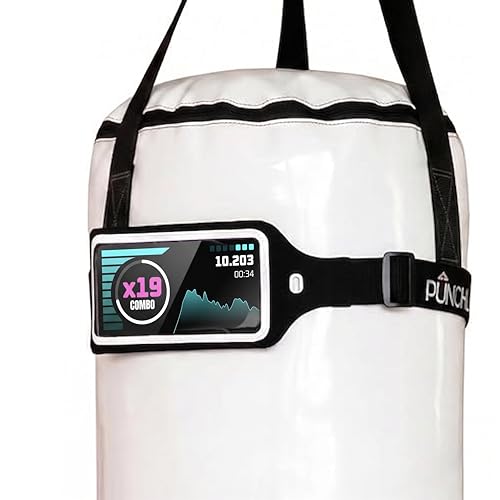
Fits All Phones, Even With a Case – Adjustable elastic strap securely holds iPhones and Android phones up to 7 inches, with or without a case — no awkward removal mid-session.
Progressive Improvements in Punch Count

Consistent improvements in punch count serve as a cornerstone of effective boxing training. Tracking punch count through various sessions allows for detailed punch count analysis, helping boxers measure their progress over time. Achieving higher punch counts not only reflects stamina development but also indicates increased work capacity. This progressive growth in punching volume is essential; it builds muscular endurance and cardiovascular fitness. Importantly, advancements must coincide with maintaining proper technique and speed to guarantee quality output. When modeled alongside training goals, punch count data can motivate athletes, providing clear benchmarks and enhancing discipline. Using gloves with adequate padding during bag work sessions helps prevent hand injuries while maintaining high training volumes. Ultimately, structured punch count analysis promotes sustained engagement and fosters a sense of belonging within the boxing community, as everyone aims for shared progress.
The Importance of Punch Rate in Tempo

Punch rate emerges as an essential metric in the domain of boxing, influencing a fighter’s performance and effectiveness in the ring. A higher punch rate fosters strategic pacing, forcing opponents to defend continuously and disrupting their adaptive rhythm. Maintaining a consistent punch rate helps boxers control the fight’s tempo, allowing them to impose their tactics on the opponent. Variability in punch tempo complicates defensive strategies, making it challenging for opponents to predict attacks. Additionally, a balanced punch rate optimizes efficiency, conserving energy while maximizing impact. In training, developing punch rate with tools like the double-end bag enhances timing and rhythm. Ultimately, mastering punch rate leads to a tactical advantage, as it induces pressure and encourages opponents into reactive fighting. Incorporating interval training with heavy bags builds the endurance necessary to sustain an elevated punch rate throughout prolonged rounds.
Structuring Intervals for Effective Training
Effective training relies on well-structured intervals that align with specific goals. Different interval types support various adaptations. Short intervals of 20-30 seconds enhance explosiveness and speed, perfect for delivering powerful punches. Moderate intervals lasting 2-4 minutes build aerobic endurance, sustaining heart rates near 90-95%. Longer intervals of 4-8 minutes push the heart’s capacity, boosting VO2 max. Effective rest management is essential; shorter rests maintain elevated heart rates, while longer rests enable full recovery for maximal efforts. Incorporating pyramid intervals adds variety, allowing athletes to experience balanced stress and recovery. By strategically combining these elements, a training cycle can seamlessly develop speed, power, and endurance. A strong core stabilizes the body during these intervals, enhancing balance and coordination while transferring energy efficiently from legs to fists. This thoughtful approach cultivates a shared journey toward improved performance and community.
Maintaining Consistent Work-Rest Ratios
Maintaining appropriate work-rest ratios is vital for optimizing athletic performance. These ratios vary considerably, impacting how athletes recover. For instance, a 3:1 ratio may suit aerobic training, while a 1:12 ratio may benefit high-intensity workouts. Customizing these ratios helps address individual recovery needs and fitness levels. It allows athletes to avoid overtraining while supporting performance enhancements. Consistent application of work-rest ratios improves lactate tolerance and can lead to predictable physiological adaptations. Athletes must be aware that training adjustments are necessary across different phases. Monitoring progress carefully guarantees that athletes meet their goals. When training with a heavy bag, incorporating shock-absorbing materials in your equipment helps reduce injury risk during high-intensity interval sessions. By embracing these practices, individuals can build a supportive community that thrives on shared experiences and improved performance.
Measuring Tempo With Technology Tools
Athletes seeking to enhance their performance can greatly benefit from technology designed to measure tempo during bag workouts. Tempo measurement tools, such as digital metronomes and tempo-checking gadgets, provide precise beats per minute (BPM) to help athletes pace their exercises effectively. Wearable technologies, like smartwatches, use accelerometers to track strike frequency and offer real-time feedback on pacing irregularities. Audio-based tools, incorporating microphone arrays, automatically determine interval timing by analyzing strike sounds. Additionally, integration of tempo data with training platforms empowers users to monitor their progress thoroughly. Modern Bluetooth boxing machines can synchronize strikes with music tempo in real-time, creating an immersive training experience that helps athletes maintain consistent rhythm throughout their workout. This technology integration not only enhances performance but also fosters a sense of community by allowing athletes to share insights and experiences, creating a supportive environment for improvement.
Recommended Products

Upgraded Mechanical Movement: The new metronome uses all-metal mechanical movement, equipped with metal accent bell, which makes the sound clear and loud and more sturdy. The upgraded mechanical movement design also allows you to use it for a longer time without frequent winding

【Advanced Chip Technology for Millisecond Accuracy】Engineered with a proprietary high-performance chip, the TERENCE digital metronome ensures millisecond-precise timing, helping you master rhythm effortlessly. Unlike traditional mechanical metronomes, it delivers unmatched reliability, making it the ideal metronome for piano, metronome for guitar, metronome for drums, and all instruments.

STURDY MATERIAL: Our metronomes have a sturdy metal chassis and all movement parts are made of metal for smooth and precise beat tempo adjustments to ensure long-lasting use, which is crucial for beginners.
Recognizing Consistency in Technique Under Fatigue
Recognizing consistency in technique under fatigue is essential for any boxer aiming for excellence. As fatigue effects set in, fighters may encounter noticeable volume variations and decreased pressure consistency. This makes maintaining bag pressure more challenging, leading to potential technique breakdown. Boxers should develop awareness cues, such as noticing physical discomfort or inconsistent breathing patterns, to identify these issues. Muscle conditioning is critical; strengthening the shoulders and core can enhance endurance and control. Engaging in deliberate practice drills, like holding combinations longer, can help expose these fatigue-induced inconsistencies. Advanced boxing trackers can measure punch force and speed up to 8500 times per minute, providing real-time feedback that helps identify when technique begins to deteriorate under fatigue. By focusing on these details, boxers build resilience against fatigue and improve their overall performance, ensuring a stable and powerful output even under physical strain.
The Value of Regular Session Logging
Regular session logging serves as an essential tool for tracking progress in any musician’s journey. By utilizing effective logging techniques, musicians can experience numerous session benefits. Tracking attendance trends highlights the relationship between practice frequency and skill development. Detailed records help monitor training volume, avoiding both overtraining and stagnation. In addition, session logs support tempo analysis by capturing session duration and intensity, thereby enhancing conditioning. This accountability fosters discipline, benefiting both students and instructors. Digital logging improves accuracy compared to manual methods, reducing errors and providing real-time data. Overall, regular session logging creates a clear overview of progress patterns, empowering musicians to set realistic goals and make informed adjustments, creating a supportive environment for growth within their community. Progress tracking supports motivation during training, with endurance improvements typically visible within 4 to 6 weeks of consistent practice.
Recommended Products


【Hard cover】 High quality waterproof cover with note design and hard kraft paper back cover
Tracking Strike Accuracy for Better Performance
Tracking strike accuracy is essential for enhancing performance in combat sports and fitness boxing. It revolves around target specificity—focusing on precise spots like the chin or temple greatly boosts striking effectiveness. To monitor progress, integrating visual feedback is vital. This can come from tools like tape targets on bags or apps that offer real-time analysis. Athletes can employ targeted shadowboxing and small pad drills to sharpen their aim. Video reviews post-session can reveal patterns, helping refine techniques. Ultimately, mastery of strike accuracy leads to controlled and effective offense, distinguishing trained athletes from those who resort to wild punches. Regular practice of these techniques fosters confidence, community, and a shared journey toward excellence in the ring.
Utilizing Rate of Perceived Exertion in Training
How can athletes best gauge their exertion during training? The Rate of Perceived Exertion (RPE) is a valuable tool for understanding perceived effort. It enables athletes to adjust training loads based on personal sensation rather than fixed weights. By using well-established RPE scales, like the Borg CR-10, athletes can categorize intensity from rest to maximal effort. This individualized approach helps determine ideal resistance for upper body training, considering both local muscle fatigue and central cardiovascular responses. Monitoring perceived exertion not only enhances training precision but also fosters adherence and enjoyment. Consequently, athletes cultivate self-awareness, improving pacing in both workouts and competitions. Embracing RPE contributes to a shared journey toward fitness goals, creating a supportive atmosphere among peers.
Common Errors to Avoid During Training
Many athletes make common errors during training that can hinder their progress and lead to injuries. Prioritizing injury prevention is vital; failing to warm up or use proper gear increases the risk of chronic issues. Technique refinement, like maintaining guard positioning and practicing correct punching angles, enhances effectiveness. Athletes often struggle with power balance, swinging too hard or too light, which compromises their technique. Proper breathing patterns should accompany strikes to maximize oxygen delivery and maintain stamina. Ignoring stance switching limits individual skill growth. Finally, ego management is essential—training should focus on improvement rather than impressing others. Regular consistency evaluation can help identify and rectify these mistakes, paving the way for a safer and more productive training journey.
Indicators of Progress in Workouts on the Bag
Progress in workouts on the bag can be measured through various indicators, each reflecting different aspects of an athlete’s performance. Key metrics include punch volume, which counts total punches thrown, providing a clear view of an athlete’s endurance training. Consistently increasing punch count suggests improved stamina and work capacity. Additionally, measuring punch speed reveals how quickly strikes are delivered, indicating striking efficiency. Combining these insights into an output score helps track overall progression, capturing speed, technique, and volume. Finally, monitoring impact scores reflects striking power and technique quality. By focusing on these indicators, athletes can enjoy a rewarding sense of belonging as they witness their improvement and dedication during each training session on the bag.
Frequently Asked Questions
How Often Should I Track My Punch Count?
Tracking punch count should occur every training session, like a rhythmic heartbeat guiding champions. This consistent tracking frequency nurtures growth, offering clarity on progress while fostering a sense of belonging within the boxing community’s dynamic journey.
What Are the Best Warm-Up Exercises for Bag Training?
The best warm-up exercises for bag training include dynamic stretching to enhance mobility and shadow boxing to establish rhythm. This combination prepares participants physically and mentally, fostering a sense of community and readiness for intense workouts.
Can I Combine Bag Work With Other Training Methods?
Bag work can seamlessly integrate with various training methods, enhancing overall performance. Despite concerns about focus, bag integration strategies and cross training benefits foster a sense of community, allowing individuals to improve fitness and technique collectively.
How Do I Know if I’m Overtraining?
Overtraining is indicated by physical signs like persistent soreness, mental fatigue, and various training symptoms. Individuals should recognize these signals to assess recovery needs, fostering a sense of community and support in addressing their experiences.
What Should I Do if I Hit a Training Plateau?
When encountering a plateau, heeding the plateau triggers is essential. Embracing training adjustments—like modifying routines or incorporating diverse exercises—can reignite progress, fostering a sense of belonging and shared triumph within the fitness community.


