As an Amazon Associate, we earn from qualifying purchases. Some links on this site are affiliate links at no extra cost to you. Our recommendations are based on thorough research and editorial judgment.


Southpaw Vs Orthodox: Strategic Adjustments for Each

In boxing, southpaw and orthodox fighters have distinct strategies. Orthodox fighters primarily use their left hand for jabs while southpaws rely on their right. Footwork is critical; stepping outside the lead foot creates advantageous angles. Effective punching requires body rotation and proper distance management. Adjustments are essential, especially against unfamiliar stances like southpaw. Analyzing opponents helps improve defensive strategies. Understanding these tactical aspects enhances performance and adaptability, paving the way for deeper insights into ring dynamics.
Key Takeaways
- Orthodox fighters should focus on utilizing their lead hand for jabs to establish distance against southpaws.
- Southpaws benefit from stepping outside the orthodox lead foot to create dominant angles.
- Both stances require adjusted footwork to maintain balance and disrupt the opponent’s rhythm effectively.
- Orthodox fighters need to anticipate and counter the unique angles presented by southpaw combinations.
- Sparring with both stances enhances adaptability and prepares fighters for diverse styles in the ring.
Understanding Stance Differences
In the world of boxing, understanding stance differences is essential for both fighters and fans alike. The orthodox stance, common among right-handed fighters, positions the left foot and hand forward, allowing quick jabs and powerful crosses. Conversely, the southpaw stance features the right foot and hand forward, creating unique angles and defensive challenges for orthodox opponents. This rarity can lead to tactical stance advantages, as orthodox fighters might struggle with unfamiliar timing and rhythms. Both stances require keen opponent awareness, as fighters must adjust their strategies to exploit gaps and defensively respond to their adversary’s movements. Whether orthodox or southpaw, each fighter’s approach should reflect their style, aiming for effective offensive and defensive options during engagements in the ring. Practicing against different stances at home with boxing training equipment can help fighters develop the adaptability needed to face both orthodox and southpaw opponents effectively.
Recommended Products
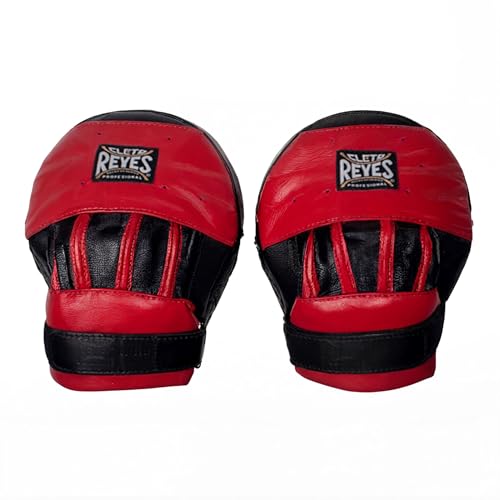
PERFORMANCE AND DURABILITY - CLETO REYES Curved Punch Mitts with Hook and Loop Closure are your go-to solution for superior hand protection and enhanced boxing performance. The curved design allows for precise offensive strikes and angles.

adidas Unisex-Adult Box Hog 4 Boxing Shoes

IDEAL FOR EVERY TYPE OF BOXER — From 20 years of experience to zero; from boxing champions to total beginners – people of all skill levels can benefit from the Aqua Training Bag no matter what their level of expertise is.
Footwork Essentials for Ring Control

Footwork plays a pivotal role in gaining and maintaining ring control. Orthodox fighters focus on stepping their left foot outside their opponent’s lead foot, while southpaws do the same with their right foot. This foot positioning establishes dominant angles for effective straight punches. Lateral movement is essential; circling not only disrupts an opponent’s rhythm but also keeps powerful hands aligned. Monitoring foot placement helps both fighters anticipate advances or retreats. Practicing angled steps allows for better distance management, creating openings or evading attacks. Ultimately, maintaining balance during these movements is vital to avoid counters. Training drills like shadowboxing and partner exercises enhance adaptability, solidifying muscle memory for each fighter during bouts. Working with a freestanding punching bag between sparring sessions reinforces these movement patterns and helps develop the stability needed for varied footwork.
Recommended Products

This heavy bag radiates professionalism and quality with style, class and substance that can only be matched by your will to be the best

EASY 7 SCREW ASSEMBY: Hassle-free setup with its easy 7-screw assembly, allowing you to focus more on training and less on assembly.

Item may ship in more than one box and may arrive separately. Taking on the 6'4" tall Elite Free-Standing Fitness Punching Bag is not for the light-hearted but is sure to deliver a solid strength building aerobic fitness workout
Punching Dynamics in Different Stances

Understanding punching dynamics is critical for fighters, especially when comparing orthodox and southpaw stances. The lead hand plays a crucial role in both stances, serving to set up combinations, control distance, and disrupt an opponent’s rhythm. In orthodox fighters, the left hand jabs quickly, while southpaws utilize the right hand. Timing becomes tricky when jabs collide due to mirrored positioning. Power shots rely on body rotation, with orthodox fighters delivering right crosses and southpaws using left crosses. Proper footwork helps exploit punching angles, maximizing jab effectiveness. A good fighter adjusts defenses according to their opponent’s stance, ensuring they can defend against incoming shots while launching their attacks. Quality boxing gloves with thick padding help protect hands during training sessions where fighters practice these stance-specific power shots and combinations. Mastering these dynamics can give a fighter a strategic edge in the ring.
Recommended Products

manufactered by Winning in Japan with the craft

BODY OPPONENT BAG - The BOB is a freestanding heavy bag training tool offering a realistic experience when punching, kicking and striking the bag during your mixed martial arts workouts or during sparring sessions for those into boxing & kickboxing
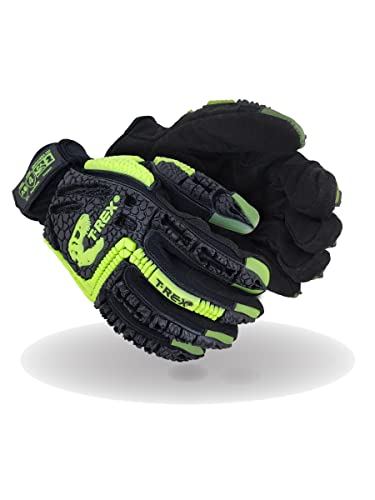
Flexible Design: M-Flex Defense System helps absorb and deflect impacts; Ultra-flex TPR design with 130 integrated flex points to allow for easy handling of any size object
Training Strategies for Versatility

Training strategies for versatility in boxing are vital for fighters aiming to enhance their performance. Fighters can explore different stances, allowing them to adapt during matches. Emphasizing footwork drills improves balance and agility. Tactical drills that involve stance switching build unpredictability. Coaches provide valuable feedback, refining shifts between orthodox and southpaw. Practicing weight distribution guarantees stability, while reaction training prepares athletes for opponent actions. Sparring sessions allow for real-time application of techniques. Developing core strength supports balance, while maintaining an upright posture is essential. Engaging in agility drills can enhance speed and responsiveness. Quality sparring pads with curved designs improve shock absorption during training, helping fighters practice strikes from both orthodox and southpaw positions safely. Ultimately, these strategies not only increase versatility but also foster a deeper connection to the sport, cultivating a sense of belonging within the boxing community.
Recommended Products

Nature-Inspired Compact Design: The HIT N MOVE Micro Mitts are designed after a turtle’s protective shell but scaled down for increased speed and agility. These lightweight boxing mitts are ideal for trainers looking for quick, precise mitt work in any boxing training session.

Enhanced Feel & Comfort: The Boxing pads are made with smoother finish & firmer feel. Soft head pads help in trainer jabs & hooks. Padded straps & forearm support ensure maximum comfort for trainers.

Material/Durability: The rich aroma, smooth texture, and timeless look all evolve with use. The more you train with T3 LX, the more it will develop a patina and character that is unique to you.
Adapting to Opponent’s Style

Adapting to an opponent’s style is integral for a fighter’s success in the ring. Effective opponent analysis helps fighters anticipate moves and make necessary tactical adjustments. For Orthodox fighters facing Southpaws, footwork becomes critical; circling left avoids their strong left cross. Understanding the unfamiliar angles Southpaws present is essential for defense, as is countering their powerful combinations. Conversely, when Orthodox fighters battle, they must anticipate predictable combinations and leverage familiarity to exploit openings. By adapting footwork to control the center and countering effectively, fighters increase their chances of success. Whether facing a Southpaw or an Orthodox contender, adaptability enhances a fighter’s strategy, making it crucial in high-stakes situations. To sharpen reflexes and improve hand-eye coordination during training, incorporating tools like reflex balls can help fighters react more quickly to their opponent’s movements. Embrace these adjustments to elevate performance in every bout.
Recommended Products

Customizable Smart Training- Elevate your practice with the PUSUN PT SMART PRO Padel Ball Machine. Controlled via an intuitive smartphone app, adjust serve frequency (1.8–8 sec per ball), ball speed (20–120 km/h), and elevation angles (5–45°) to simulate varied match conditions for every skill level.

🕹️Customizable Smart Training - PUSUN PT SMART PRO Tennis Ball Machine with app control. Adjust spin, speed (20–120 km/h), frequency & angles for realistic drills at any level.
![FORZA Pro GK React Soccer Balls [Irregular Bounce] |Premium Size 4 & 5 Soccer Balls to Improve Goalkeeper Reflexes & Player Reactions (Pack of 20, 5)](https://m.media-amazon.com/images/I/51d6tKSXj3L._SL500_.jpg)
DURABLE DESIGN FOR LONG-LASTING USE – Crafted with a high-abrasion polyurethane (PU) casing, this ball is built for consistent performance on multiple surfaces. The premium materials ensure excellent durability and resilience, perfect for intense practice sessions.
Famous Fighters and Their Stance Choices
While fighters choose their stances based on personal strengths and strategies, the impact of their decisions can be profound in the ring. Famous fighters illustrate the strategic value of stance choices. For instance, orthodox champions like Muhammad Ali and Floyd Mayweather Jr. utilized their right-handed stance for powerful strikes and effective defensive maneuvers. Mayweather’s sharp right crosses against Manny Pacquiao showcased the orthodox advantages in countering southpaw angles. On the flip side, southpaws like Manny Pacquiao and Vasyl Lomachenko confuse orthodox opponents with their unusual angles. Switch-hitters, such as Terence Crawford, gain versatility by alternating stances, complicating opponent strategies. Each fighter’s stance aligns with their unique skill set, shaping their success in boxing’s competitive landscape. Just as fighters must assess their strengths before choosing a stance, athletes should evaluate their activity level before selecting appropriate hydration strategies to support their performance.
Frequently Asked Questions
How Do I Choose the Right Stance for My Fighting Style?
To choose the right stance, one should conduct a stance evaluation considering body dynamics and personal preferences. Evaluating style compatibility guarantees that the selected stance enhances performance while fostering confidence and a sense of belonging in the ring.
Is Switching Stances Common Among Professional Fighters?
Coincidentally, many professional fighters incorporate switching stances as an effective tactic. While not universal, this strategy enhances adaptability and confusion against opponents, marking a distinct advantage for those skillful in varying their fighting styles.
What Are the Mental Advantages of Each Stance?
The southpaw stance offers a distinct psychological edge through unpredictability, whereas orthodox fighters leverage stability and familiarity. Stance perception plays an essential role, shaping how each fighter approaches tactics and maintains mental resilience amid unfamiliar challenges.
How Does Grip Affect Punching Power in Different Stances?
Grip techniques profoundly influence punching power; proper alignment optimizes force through effective punching angles. Variations in stance require adjustments in grip strength, ensuring stability and energy transfer, essential for both orthodox and southpaw fighters.
Can Stance Preference Change Over a Fighter’s Career?
Yes, stance preference can change throughout a fighter’s career. Stance evolution reflects fighter adaptability, allowing athletes to enhance effectiveness and prolong careers by adjusting techniques in response to physical conditions, training, and competition dynamics.


