As an Amazon Associate, we earn from qualifying purchases. Some links on this site are affiliate links at no extra cost to you. Our recommendations are based on thorough research and editorial judgment.


Preventing Moisture Damage to Leather Gear at Home

To prevent moisture damage to leather gear at home, begin with proper conditioning every 4 to 6 months, using suitable, non-toxic products for your leather type. Store items in a humidity-controlled environment, ideally around 68°F with 40-50% humidity, and protect them with dust bags. After exposure to moisture, gently dab the surface dry and allow it to air dry naturally. Regularly check for signs of damage, and choose preventive measures to maintain your leather’s integrity. There’s more practical advice ahead!
Key Takeaways
- Store leather goods in a climate-controlled environment at around 68°F with 50% humidity to prevent moisture damage.
- Utilize dust bags or non-woven fabric to protect leather from scratches and excess moisture during storage.
- Regularly inspect leather for signs of moisture damage, such as discoloration or stickiness, and address any issues promptly.
- Apply appropriate waterproofing products before exposure to moisture, ensuring leather is clean and dry beforehand.
- Use dehumidifiers or humidifiers to maintain ideal humidity levels between 40-50% to deter mold and mildew growth.
Understanding Leather Waterproofing Techniques
Understanding leather waterproofing techniques is essential for prolonging the life of leather gear. Different leather types, such as suede and full-grain, have unique waterproofing needs due to their texture and porosity. Employing the right waterproofing methods can safeguard these materials. Common options include sprays, creams, and waxes, offering various levels of protection and ease of application. Sprays are ideal for quick, even coverage, while creams provide moisturizing benefits along with waterproofing. For robust protection, particularly at seams, wax is recommended. Always clean the leather thoroughly before applying any product, and conducting a patch test is vital to avoid discoloration. When selecting waterproofing products, consider the built quality and durability of the leather item, as materials with reinforced stitching may require more comprehensive protection at stress points. By understanding these techniques, one can enjoy their leather gear for years to come.
Recommended Products

Important Note: The AU size is stamped on the bottom of the boots, not the US size. Inspired by nature, the Blundstone Classics 2442 Unisex Nubuck Leather Chelsea Boots in forest green blend timeless craftsmanship with rugged outdoor style.

Cobbler's Choice Microfiber Cloth - Effectively apply polishes, creams, and conditioners to your leather products with the Cobbler's Choice Microfiber Cloth. The non-abrasive fibers are gentle on the surface of your leather, while effectively at picking up dirt and dust. The Microfiber Cloth is 12" X 12" and Machine Washable.

LEATHER CARE ESSENTIALS: Create armor against daily stains and soiling on most leather. This cream is great for sofas, shoes, or boots. Add to your cleaning products or auto detailing kit
The Importance of Conditioning Leather

Conditioning leather is an essential practice for anyone looking to maintain their gear’s quality and longevity. Regular conditioning replenishes lost natural oils, preventing dryness and cracking, which could affect the leather’s suppleness. This process helps maintain its moisture balance and fiber elasticity. The conditioning frequency should reflect the climate—monthly in hot, dry areas and bi-annually in humid regions. The conditioning benefits go beyond mere aesthetics; it protects the leather’s color and enhances its sheen, creating a desirable patina over time. Additionally, well-conditioned leather resists moisture and stains, making it easier to clean. This commitment to care not only extends the lifespan of valuable leather goods but also guarantees they remain functional and attractive for years. For most leather items, applying conditioner every 4 to 6 months ensures optimal maintenance, though high-wear items may require more frequent applications to preserve their appearance and durability.
Best Practices for Drying Wet Leather

When leather gear gets wet, immediate action is vital to prevent lasting damage. Utilizing ideal drying techniques is important. Start by gently dabbing the surface moisture with a clean, dry cloth. Remember to use different cloths for the inside and outside to avoid cross-contamination of oils or dirt. Stuff bags and boots with crumpled paper to maintain their shape, and hang jackets on padded hangers to prevent creases. Air-dry the items at room temperature in a well-ventilated area, avoiding direct sunlight and artificial heat. Periodically repositioning the leather guarantees even drying. Finally, monitor for residual moisture and allow the leather to dry naturally, safeguarding its structure and appearance through proper moisture removal methods. For leather sports equipment with synthetic leather striking surfaces, ensure thorough drying to maintain their resistance to wear and tear during future use.
Recommended Products

【Excellent Color Performance】Equipped with an A3 R1390 CMYKWW six-channel print head and upgraded intelligent RIP software, it achieves up to 2880dpi HD resolution, rivaling the output quality of professional photo printers. Ultra-high color reproduction and photo-realistic effects ensure stunning visuals, even when transferring designs onto dark fabrics or textured materials

Customized Design: Our 1000 packs Custom Bags With Your Logo Drawstring Backpacks allows you to showcase your unique brand identity. With the option to add your own custom logo, these bags are perfect for small businesses looking to make a lasting impression
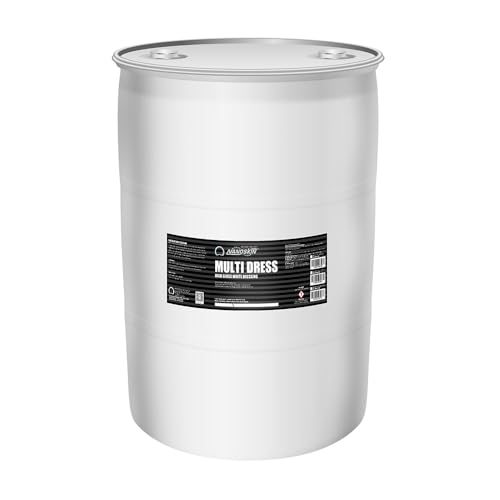
✅ FOR EXTERIOR & INTERIOR SURFACES: This silicone-based tire shine and dressing is designed for tires, plastic, rubber, vinyl, and leather. Works as an interior dressing and exterior finish enhancer without attracting dust or dirt.
Proper Storage of Leather Goods

Proper storage of leather goods is important for maintaining their quality and longevity. Using effective storage techniques can help control humidity and guarantee the best conditions for leather. Store items in a consistent environment around 68°F, with humidity levels at approximately 50% to prevent mold. Dust bags or non-woven fabric bags can protect against scratches. It’s essential to avoid hanging leather by handles, which may cause deformation. Instead, fill bags with absorbent materials like tissue paper to maintain shape and absorb moisture. Regularly monitor your leather’s storage space, confirming it’s free from excess dampness. Choosing closets over basements or attics typically provides a stable environment fundamental for preserving leather’s integrity. For professional training gear made from materials like durable PU leather, moisture-wicking linings and breathable designs are essential features that prevent deterioration during storage.
Maintaining Leather: Cleaning and Care

Maintaining leather gear goes beyond just proper storage; it involves a consistent cleaning and care routine. Regular vacuuming with a suction vacuum prevents dirt buildup, especially in seams and crevices. For spot cleaning, gentle methods using baby wipes or a mixture of vinegar and water can keep your leather looking its best without extensive effort. Always apply cleaning solutions to a cotton rag and wipe gently to avoid damage. Different leather items may require specific cleaning products, ensuring care tailored to your gear. After each use, clean leather equipment like boxing headgear with mild soap and water to prevent odors and bacteria, while avoiding harsh chemicals that can deteriorate the material. As dirt accumulates less frequently, your leather will maintain its charm longer, keeping you connected to those cherished belongings while preserving their integrity for years to come.
Recommended Products

ULTIMATE VERSATILITY– From cleaning to polishing and woodworking, these tshirt rags tackle it all! Perfect for spills, dusting, staining, and even delicate tasks like maintaining cookware and wood finishes.

[SUBSTANTIAL & ROBUST]: Up to 5x more material by weight than comparable rugs, offering enhanced durability and comfort; The added weight means more material, improving its ability to withstand everyday wear

ALL-IN-ONE INTERIOR CLEANING KIT - This DIY kit has everything to safely clean plastic, vinyl, leather, cloth, and glass surfaces. Makes for the perfect professional car detailing kit.
Steps to Take After Leather Gets Wet
Although leather gear can endure various conditions, getting wet poses a challenge that requires swift action. First, gently dab excess water with a dry cloth, avoiding any rubbing that could push water deeper into the leather. For effective water absorption, stuff bags or shoes with newspaper to absorb moisture and maintain shape. Jackets should hang on padded hangers to preserve their form.
Use natural air drying as the safest method; placing leather near heat sources can cause damage. Fans may help enhance airflow but should not blow hot air directly. Once leather is damp, apply a quality leather conditioner to restore moisture and protect against future damage. For ongoing odor and moisture control in leather shoes, consider using activated charcoal bags that can be recharged in sunlight and last up to two years. Following these drying techniques enables your leather to stay in top condition.
Recommended Products

Waterproof: Featuring a full-length waterproof membrane lining, these boots ensure your feet and legs stay completely dry in rain, mud, or shallow water crossings
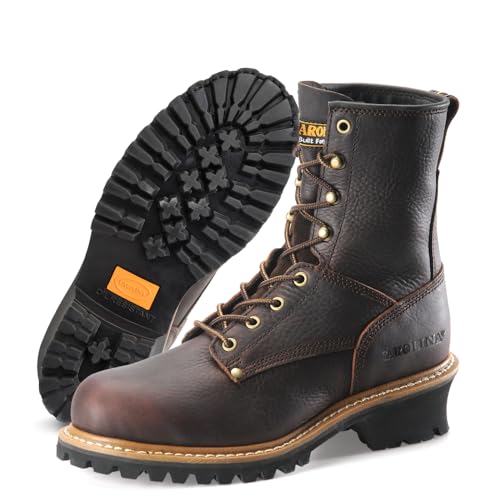
Sturdy Steel Toe Protection: Carolina Elm Steel Toe Logger Boots provide robust protection with a durable steel toe, ideal for demanding environments. These men's logger work boots feature triple-stitched leather uppers for long-lasting performance

Full Leather Upper: Features genuine leather grain on the outside nylon lining on the inside for optimal comfort and durability
Identifying Signs of Moisture Damage
Moisture damage to leather gear can be subtle, yet its effects can be significant. Recognizing signs of moisture damage is essential for effective leather maintenance. Look for visual indicators, such as discoloration, stains, or surface peeling. These issues often stem from excess moisture infiltrating the leather. Tactile cues are equally revealing; leather that feels sticky or overly soft may have absorbed too much moisture. Additionally, a musty smell can indicate mold presence, suggesting that moisture is trapped inside. Using moisture detection methods, like visual inspections or moisture meters, can aid in identifying hidden problems. For leather training equipment like heavy bags, proper storage in dry conditions helps maintain the material’s durability and protects against moisture-related deterioration. By being vigilant and proactive, readers can preserve the integrity of their cherished leather items for years to come.
Environmental Control for Leather Preservation
Environmental control plays an essential role in preserving leather gear for generations. Effective temperature management is vital; storing leather between 15-21°C (60-70°F) minimizes chemical degradation and prevents drying or mold growth. Maintaining a consistent cool environment is key, as sudden temperature changes can warp or crack leather.
Humidity control is equally important. The ideal relative humidity should be between 40-50%, never exceeding 65%, to deter mold and mildew. Using dehumidifiers can help manage high humidity levels, while humidifiers can restore moisture in dry conditions. Leather must be stored in breathable materials instead of plastic to encourage air circulation. Just as boxers rely on proper technique and form to maximize their training effectiveness, leather care requires attention to foundational preservation methods for optimal results. Overall, a mindful approach to environmental control guarantees that leather gear remains beautiful and durable for years to come.
Selecting the Right Products for Leather Care
Selecting the right products for leather care is essential for maintaining the quality and longevity of leather gear. Proper product selection depends largely on the leather types involved. For instance, aniline and pigmented leathers require distinct care products to preserve their unique qualities. Consumers should lean towards non-toxic formulas, featuring natural ingredients like beeswax, which nourish leather without harmful effects.
Additionally, choosing products with a balanced pH prevents damage caused by imbalances. Reliable brands, such as Leather Honey and Chamberlain’s Leather Milk, offer highly regarded solutions known for their effectiveness. Prioritizing moisture protection helps extend the life of leather, while easy application methods keep the process hassle-free. For boxing equipment specifically, look for products compatible with synthetic leather materials commonly used in modern training gear. Thoughtful selection creates a lasting connection to cherished leather items.
Recommended Products

Use it on wood, leather, marble, granite, wrought iron, stainless steel, glass and mirrors

CONDITIONS AND RESTORES: The refined water-based formula is blended with Vitamin E and Aloe extracts to moisturize leather pieces to restore a soft, supple feel; leather is skin, and if neglected, it can crack, burn, fade, and discolor

Use it on wood, leather, marble, granite, wrought iron, stainless steel, glass and mirrors
Frequently Asked Questions
Can I Use Regular Spray on Leather for Waterproofing?
Regular spray can offer some water resistance to leather but its effectiveness requires consistent reapplication and proper leather maintenance. Users should verify compatibility and perform patch tests to prevent damage and maximize protection.
How Often Should I Condition My Leather Items?
Conditioning frequency for leather care typically ranges from every 2–6 months. Factors like usage intensity, climate, and item type influence this schedule, ensuring leather remains supple while preventing damage and maintaining its desirable appearance.
Is It Safe to Store Leather in a Closet?
Storing leather in a closet can be safe, provided humidity levels are maintained between 40-60% and closet ventilation is adequate. This prevents damage from mold and guarantees the longevity of cherished leather items.
What Types of Leather Require Special Care?
Sensitive leathers, such as full grain, aniline, rough-out, and suede, demand special care. Each leather type requires specific conditioning and cleaning methods to guarantee longevity and maintain their unique texture and appearance throughout time.
Can I Use Oils to Waterproof Leather?
Using oils for waterproofing can be likened to shielding armor against rainstorms; their effectiveness provides increased resistance, but not true waterproofing. Consider waterproofing alternatives for enhanced protection, blending oils with wax for best results.


