As an Amazon Associate, we earn from qualifying purchases. Some links on this site are affiliate links at no extra cost to you. Our recommendations are based on thorough research and editorial judgment.


Common Glove Fit Issues and How to Diagnose Them

Common glove fit issues stem from variations in hand size, finger length, and different sizing systems. Ill-fitting gloves can limit dexterity or cause discomfort. To diagnose problems, analyze the fit by checking for tightness or looseness, especially around fingers and wrists. Visual inspection reveals signs of wear or defects. Proper measurements of hand circumference and middle finger length are essential. Understanding these factors can greatly improve glove performance and guarantee safety. Discover further insights on optimizing your glove fit.
Key Takeaways
- Ill-fitting gloves can slip off or restrict movement, leading to discomfort and reduced dexterity during use.
- Observe signs of premature wear, like tears or discoloration, to identify potential fit issues.
- Measure hand circumference and finger length accurately to ensure the correct glove size.
- Conduct trial runs and gather user feedback to assess glove performance and comfort during specific tasks.
- Regularly inspect gloves for stiffness or brittleness, which may indicate inadequate protection and fit issues.
Understanding Hand Size Variability
Understanding hand size variability is imperative for finding the right glove fit. Hand shape influences glove design considerably, with size correlation affecting wearer comfort. Remarkably, sexual dimorphism results in men’s hands generally being larger, with distinct finger proportions. This creates glove fit challenges, as male and female hands differ in both dimension and proportions. Accurate measurement is essential; small variances can lead to comfort differences. Recognizing anthropometric variability guarantees gloves accommodate diverse hand shapes. Dimensional criteria include hand length, breadth, and circumference, all fundamental for ideal fit. Failing to take these factors into account may impact performance, as ill-fitting gloves hinder dexterity. Proper fit requires considering ergonomic design features, such as a pre-curved shape that promotes natural hand movement during training sessions. As a result, understanding these nuances is critical for achieving the best glove experience for everyone.
Exploring Glove Size Ranges
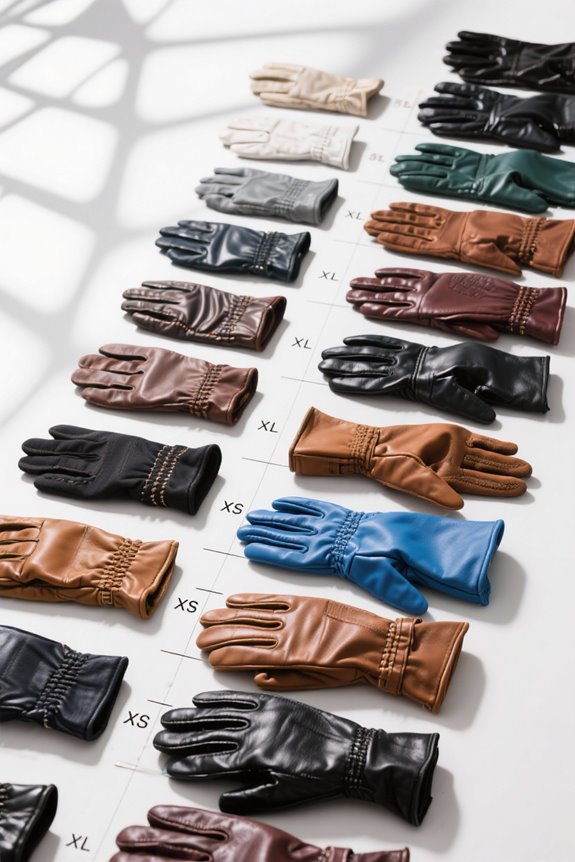
Finding the right glove size is important for comfort and performance. Glove size ranges encompass significant size variations, reflecting distinct categories for women, men, and children. Women’s sizes typically span from XS to XL, while men’s go from S to XXL. Kids’ sizes are primarily based on age and small numeric values. To effectively choose a size, accurate measurement techniques are essential. Measuring hand circumference around the palm just below the knuckles provides a standard guideline. Remember, sizing differs among brands; some may employ half-inch increments, while others stick to whole centimeters. For clarity, manufacturers often present easy-to-read conversion charts. Just as with fitness equipment where measuring available space ensures a comfortable fit, taking accurate hand measurements prevents the frustration of ill-fitting gloves that can hinder performance. By ensuring an appropriate fit, users can enhance their experience and engagement in various activities.
Recommended Products

Printed on 3M Premium Quality Vinyl Media

kitchen measurement conversion chart 8.58x6.65 In . Easy to understand data and images will allow you to convert measurements on the fly when cooking, baking or measuring.

Kitchen Conversion Chart for Accurate Cooking and Baking. This kitchen measurement conversion magnet provides quick, reliable unit conversions for everyday recipes. A practical cooking and baking reference guide that helps eliminate guesswork, prevent measuring errors, and deliver consistent results whether you are scaling a recipe or recreating family favorites.
Impact of Middle Finger Length on Fit

When selecting gloves, middle finger length plays a crucial role in achieving the right fit. Most manufacturers base glove sizing on the length from the tip of the middle finger to the palm’s base. Misalignment between a user’s finger measurement and glove design often leads to discomfort or reduced dexterity. For those whose middle fingers are unusually long or short, standard glove sizes may not suffice, highlighting the need for personalized glove design. Understanding finger measurement standards can help users navigate sizing charts efficiently. By ensuring proper middle finger length alignment, glove wearers can enjoy improved grip and comfort, preventing issues like exposed fingertips or bunching fabric. Custom options offer a tailored fit, enhancing both protection and performance. For boxing gloves specifically, proper fit is critical for usability and safety, with users needing to consider hand sizes when selecting gloves, as some gloves may feel snug for larger hands and sizing inconsistencies may require careful measurement.
Navigating Different Glove Sizing Systems

Selecting the right gloves can become confusing, especially with the variety of sizing systems available. The two most common systems are European and American, each presenting unique sizing challenges. European sizes range from 5 to 12, ensuring a more precise fit with smaller increments. In contrast, American sizing employs letters like XS, S, M, and L, which can create overlap, complicating size comparison between genders. Measuring hand circumference and finger length is essential for accurate sizing. Additionally, different brands may have varied size charts, impacting choices. Those seeking a snug fit for sensitivity may size down, while users needing extra space for comfort should size up. For boxing gloves specifically, beginners should typically start with 12oz gloves as a baseline before adjusting based on their training needs and hand size. Understanding these systems fosters better glove choices and enhances user experience.
The Importance of Anthropometric Data

Understanding anthropometric data is essential for achieving the right glove fit, which enhances both comfort and performance. Accurate measurements of hand dimensions enable the design of gloves that cater to various needs, especially in occupational and sports environments. It’s important to reflect on dynamic posture, as hand dimensions change markedly with movement. Traditional glove patterns often fail to account for these variations, leading to discomfort and potential injury. Additionally, recognizing gender differences in hand shape and size guarantees that gloves fit properly across diverse users. By incorporating updated anthropometric data and embracing inclusive sizing, manufacturers can create gloves that improve safety and effectiveness, fostering a sense of belonging for all wearers. High-quality gloves can ultimately enhance everyone’s performance. For boxing gloves specifically, selecting from a range of sizes from 6oz to 16oz ensures proper fit for various hand dimensions and training purposes.
Effects of Poor Glove Fit on Dexterity
Poor glove fit can considerably hinder dexterity, impacting various tasks that require fine motor skills. When gloves are too loose, excess material can create dexterity challenges, making it difficult to control movements. This leads to clumsiness, errors, and frustration. Conversely, tight-fitting gloves can restrict blood flow, limiting finger movement and causing fatigue over time. Both scenarios degrade performance and may reduce confidence in grip strength. To mitigate these issues, careful glove adjustments are essential. Choosing the right glove thickness and materials can considerably enhance tactile sensitivity, improving precision tasks. In boxing training, proper fit is equally critical, as features like breathable mesh palm designs help maintain comfort and control during extended sessions. By addressing glove fit concerns, users can optimize dexterity, ensuring a more effective and safer working environment, where tasks can be performed with competence and ease.
Comfort Factors in Glove Usage
Comfort in glove usage plays an essential role in ensuring that wearers can perform tasks effectively and safely. Material comfort is influenced by glove thickness and flexibility. Thinner gloves often score higher in comfort, while thicker, more protective options, like structural firefighting gloves, may reduce comfort levels. Design flexibility is critical, particularly for users with larger or muscular fingers, as increased stretch in materials can enhance fit. A precurved glove design can also improve comfort by aligning with the natural shape of the hand. Unfortunately, many standard sizes do not cater to all hand shapes, leading to discomfort. Achieving the right balance between comfort and protection is key to encouraging glove usage among workers. Additionally, breathable materials can significantly enhance comfort during extended wear by promoting air circulation and reducing moisture buildup.
Correlation Between Fit and Injury Risk
Glove fit plays an essential role in determining the risk of hand injuries in various workplaces. Ill-fitting gloves can lead to a higher likelihood of accidents. For example, gloves that are too large may slip, exposing skin to hazards. Conversely, tight gloves can restrict blood flow and lead to discomfort, making workers more prone to removing them altogether. Custom glove design is critical, as it aligns with fit assessment methodologies, ensuring that gloves consider both hand size and finger dimensions. Properly fitted gloves can reduce the risk of lacerations and punctures by 60-70%. Similarly, wrist support guards with adjustable designs can accommodate different wrist sizes to prevent injuries while maintaining proper blood flow and comfort during extended wear. Consequently, tailoring glove fit to individual workers and specific tasks is fundamental for enhancing safety and preventing injuries in the workplace.
Tactile Sensibility and Glove Performance
Tactile sensitivity is a critical aspect of glove performance that considerably impacts a worker’s ability to interact with their environment. This ability to perceive touch and pressure affects how well individuals can manipulate objects while wearing gloves. Thicker gloves often reduce tactile feedback, making it difficult to sense fine details. For precise tasks, like surgery or assembly, maintaining tactile sensitivity is essential. Gloves such as micro-thickness varieties can offer sensory performance similar to bare hands, enhancing user effectiveness. Additionally, specialized gloves aim to minimize the loss of tactile sensitivity through innovative materials. Understanding these differences can help individuals select the right gloves, balancing protection and the necessary tactile feedback required for their tasks. For athletic applications, boxing gloves with proper shock absorption capabilities protect hands during training while still allowing fighters to maintain awareness of impact and contact.
Gathering User Feedback on Glove Fit
How can user feedback enhance the fit of gloves for various tasks? Gathering insights from users is essential for understanding glove preferences. Different tasks demand unique glove characteristics, and feedback helps identify the most critical factors, such as size, comfort, and durability. Assessment methods like surveys and focus groups allow for structured discussions about user experiences. Observational studies can reveal issues that users may overlook. In addition, feedback forms offer a simple way for users to share quick thoughts on glove fit. Ultimately, analyzing common complaints provides valuable information to refine designs. Similar to how manufacturers use quality assurance checks during production to identify flaws in durable shorts, glove makers can implement systematic review processes to catch fit issues before products reach consumers. By prioritizing user feedback, manufacturers can create gloves that truly meet the diverse needs of their users, ensuring satisfaction and enhanced performance.
Conducting Effective Glove Trials
User feedback on glove fit sets the stage for conducting effective glove trials, which play a pivotal role in refining glove design. To create a successful trial, establish clear parameters, focusing on specific tasks and hazards. Selecting gloves from various manufacturers allows for direct comparisons in real work conditions. The trial duration should balance thorough testing with timely feedback on safety standards and ergonomic design. Engage users actively, collecting written and verbal feedback to capture insights on glove materials and performance metrics. Analyze data systematically, noting wear patterns and failure rates. This approach fosters a collaborative environment, ensuring that every voice contributes to refining glove fit and safety. Remember, well-tested gloves lead to improved user confidence and better protection.
Recommended Products
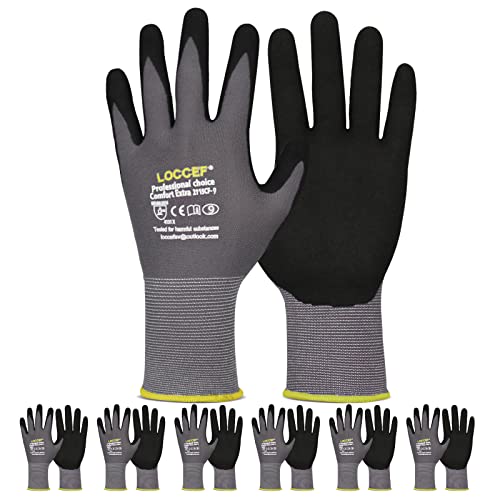
SUPERIOR GRIP and EXCELLENT DEXTERITY:Micro-Foam Nitrile coatings are compatible with light oils and will provide a good grip and excellent abrasion resistance.Economic designed comfortable 3D snug fit into all fingers.

VERSATILE WORK PERFORMANCE: The utility work gloves are designed for everyday tasks including construction, maintenance, landscaping, equipment handling, and workshop projects. The flexible design supports natural hand movement while providing dependable comfort throughout the day.

DURABLE NITRILE COATING: These work gloves feature a nitrile palm coating, offering superior resistance to cuts, snags, and abrasion, making them perfect for tough tasks
Identifying Fit Issues Through Visual Inspection
Identifying fit issues in gloves through visual inspection is essential for ensuring user safety and comfort. A thorough visual assessment can reveal critical defects that compromise glove integrity. Inspecting areas such as palms, fingers, seams, and cuffs helps in defect identification. Look for tears, rips, or discoloration that suggest contamination or damage. Well-fitted gloves should show no signs of premature wear; this includes checking for consistent material thickness and flexibility. Stiff or brittle gloves may not provide adequate protection. Utilize tools like magnifying glasses and good lighting to enhance observation. Remember, visual inspection serves as a preliminary check before more complex testing. Prioritize these inspections to maintain the quality and safety of your glove usage.
Recommended Products
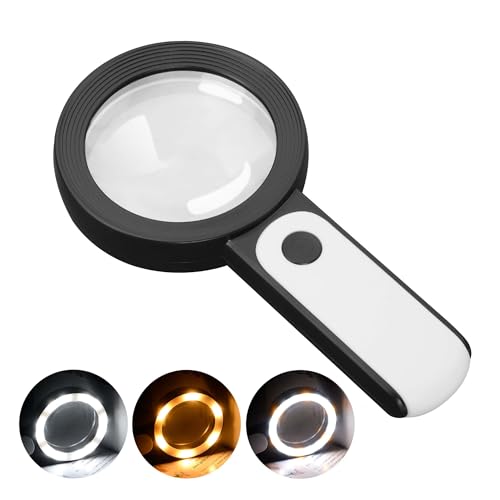
HIGH POWER MAGNIFICATION: This magnifying glass provide Optical high magnification, allowing users with low vision to read text, no matter the size.

CRYSTAL CLEAR OPTICAL GRADE LENS: Enjoy a distortion-free image with our shatterproof and scratch-resistant 5.2-inch magnifying glass. Perfect for reading books, magazines, maps, and engage in hobbies and crafts.

Versatile Illumination for Close Work: Illuminate your projects with our 10X magnifying lamp, equipped with a 12.6-inch flexible goose-neck arm. Whether you're reading, repairing, sewing, drawing, or sketching, experience clear and detailed visuals for enhanced precision and focus. Say goodbye to eye strain or dizziness while focusing on small projects for extended periods.
Factors Influencing Glove Fit and Performance
Fit issues in gloves are influenced by various factors, which can greatly affect performance in different tasks. One primary element is glove thickness; thicker gloves often hinder dexterity and grip strength, making tasks more time-consuming. For instance, a 1 mm increase in thickness can delay manual tasks by 16–117 seconds. Material choice also plays a vital role. Stiff or bulky materials limit flexibility and comfort, possibly leading to glove removal during intricate tasks. Opting for gloves with articulated designs can enhance both flexibility and tactile feedback. Ultimately, selecting the right combination of glove thickness and material is essential for balancing protection and performance, ensuring users can complete their tasks effectively and comfortably.
Recommended Products

UNMATCHED COMFORT AND CONTROL: These Wells Lamont work gloves provide an ergonomic fit, thanks to the adjustable wrist closure, ensuring all-day comfort without sacrificing dexterity. The synthetic leather palm's foam padding mitigates impact, so you can concentrate on the task at hand and not the glove on hand

MATERIALS: Breathable spandex shell; synthetic leather palm

From Boxy-Stitched Fingers to Natural Ergonomic Structure—Unlimited Dexterity and Comfort
Consequences of Using Incorrectly Fitted Gloves
Selecting the right gloves is essential for safety and effectiveness in various tasks. Incorrectly fitted gloves can lead to serious consequences. Loose gloves are likely to slip off or catch in machinery, raising injury risks, while tight gloves can restrict blood flow and reduce dexterity. Glove thickness implications come into play, as improper coverage may expose hands to hazardous substances. Material durability concerns also arise; torn or poorly fitting gloves jeopardize protective barriers against chemicals and pathogens. Additionally, reduced grip strength from ill-fitting gloves increases the chance of mishandling equipment. Ultimately, these issues can compromise worker safety and productivity, leading to mistakes, accidents, and decreased work quality. In a collaborative setting, ensuring glove fit fosters a secure and efficient work environment.
Solutions for Achieving Better Glove Fit
Achieving an ideal glove fit is important for enhancing safety and efficiency in various tasks. To guarantee this, size customization is critical. Accurate hand measurements based on circumference and length help prevent guesswork. Always refer to manufacturer size charts for consistency, especially since glove sizing can vary. Material flexibility plays an essential role as well; selecting gloves made from thin, stretchable materials like spandex can improve comfort without compromising protection. Ergonomic, pre-curved patterns mimic hand shape, reducing fatigue. Additionally, adjustable features, like hook-and-loop cuffs, offer a personalized fit, accommodating diverse hand shapes. Regularly inspecting and maintaining gloves enhances their longevity, guaranteeing they continue to provide the best possible fit for every individual.
Recommended Products

Quilted Design with Secure Closure: Quilted mitten featuring fleece cuff and adjustable snap closure for a customized fit

Flexible & Breathable Work Gloves: Stretchable spandex design back keep your hands cool and comfortable on the job.
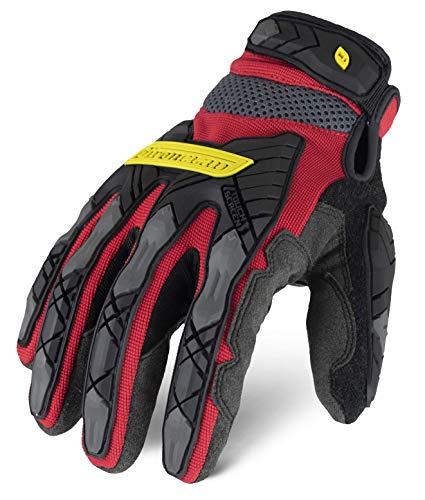
CUT PROTECTION - HPPE Blend, 360 Cut-Resistant ANSI A5 Liner
Frequently Asked Questions
How Often Should I Measure My Hand for Glove Size?
Ironically, one might assume hand size remains constant. In reality, frequent measurement is essential due to sizing variations. Periodically check measurements, especially with weight changes or brand shifts, ensuring proper glove fit and comfort.
Can I Alter Gloves for Better Fit?
Yes, gloves can be altered for a better fit through glove resizing options such as custom glove fittings, wrist adjustments, or adding liners. These methods enhance comfort and performance, helping individuals feel connected to their gear.
What Signs Indicate That Gloves Are Too Tight?
Studies reveal that 60% of glove users experience discomfort linked to inadequate finger circulation. Indicators of overly tight gloves include numbness, persistent pressure sensations, and difficulty moving fingers, compromising overall hand comfort and function during tasks.
Are Certain Gloves Better for Specific Activities?
Certain gloves are indeed better suited for specific activities. Utilizing activity-specific materials enhances performance and provides features tailored to tasks, ensuring users feel empowered and connected to their work while maintaining both safety and comfort.
How Can I Choose Gloves for Sensitive Skin?
To choose gloves for sensitive skin, prioritize hypoallergenic materials like nitrile or neoprene, consider dermatologically tested options, and guarantee a comfortable fit to minimize irritation and reduce the risk of skin allergies and discomfort.


