As an Amazon Associate, we earn from qualifying purchases. Some links on this site are affiliate links at no extra cost to you. Our recommendations are based on thorough research and editorial judgment.


Head Movement Patterns: Slips, Weaves, and Rolls Explained

Head movement patterns, including slips, weaves, and rolls, are vital in combat sports for effective defense and counterattacks. The slip technique involves subtle head movements to avoid punches, while bobbing and weaving combine fluid motions for unpredictability. The roll movement adds rotation to evade strikes in close quarters. Mastering these techniques enhances reflexes and footwork, improving overall combat effectiveness. As fighters refine their skills, they uncover more strategies to elevate their performance in the ring.
Key Takeaways
- Slip Technique: Involves subtle head movements to evade punches, crucial for timing and foot adjustments, which enhances defensive confidence in combat sports.
- Bobbing and Weaving: Combines fluid head movements to make fighters unpredictable, requiring coordination with footwork for effective balance and quick counterattacks.
- Roll Movement: Dips and rotates the torso to evade punches in close-range exchanges, supporting balance and counter-striking through muscle memory drills.
- Angular Head Movement Patterns: Focuses on speed to evade strikes from various angles, enhancing defense through precise timing and motor control with integrated footwork.
- Training Emphasis: Regular drills and realistic training scenarios improve consistency and confidence in using slips, weaves, and rolls during fights.
Understanding the Slip Technique
The slip technique serves as a pivotal skill in combat sports, allowing athletes to dodge punches effectively. This method involves subtle head movements to evade strikes while maintaining a balanced stance. Key components include timing, precise head movement, and minor foot adjustments. Various slip variations exist, such as lateral slips and angled slips, each designed to counter different punches. Practicing slip drills, like the mirror tape drill and partner mitt drills, enhances timing and reflexes. These drills help build confidence in a fighter’s defensive capabilities. By mastering slipping, athletes reduce the risk of injury while creating immediate counterattack opportunities. Mastering head movement not only enhances elusiveness but transforms potential hits into counter punching opportunities by improving timing and reactions. Overall, understanding the slip technique fosters agility and tactical advantages in any combat sport.
Recommended Products

【Premium XPE Foam for High Elasticity & Impact Resistance】 Made of high-density, high-toughness XPE material, our 10' x 10' / 10' x 6.5' training mat features excellent elasticity and compression resistance. It remains flat and undamaged even under long-term intense training, providing stable and reliable support for wrestling, grappling and mixed martial arts.

Train Smarter for Fight Night Sharpen your counter game, read openings quicker, and drill movement under pressure with light-based fight training built for boxing and MMA.
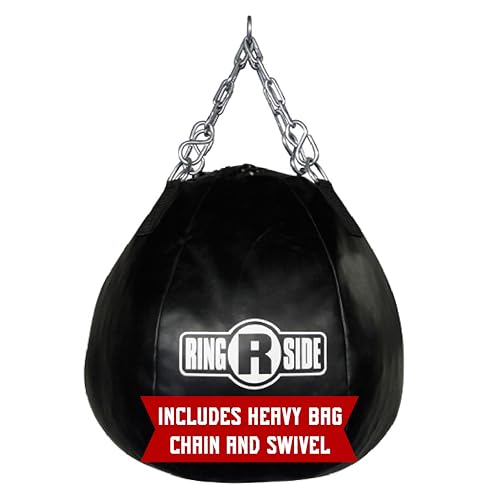
Punching Bag: Unleash your potential and become a boxing machine with the Ringside Head Shot Heavy Bag! Our heavy punching bag is crafted to push your limits during intense workouts, helping you reach your athletic and fitness goals with every session.
The Art of Bobbing and Weaving

Mastering the art of bobbing and weaving offers fighters a versatile approach to defense and counteroffensive strategies in combat sports. This technique combines various bobbing variations and precise weaving drills, allowing fighters to evade incoming punches. By bending at the knees and waist, one can effectively lower the head, making it harder for opponents to land strikes. The fluid V-shaped head movement keeps the fighter unpredictable, reducing vulnerability to hooks and fast punches. Additionally, proper chin tuck and coordinated footwork enhance balance and support quick shifts between defense and offense. Integrating bobbing and weaving drills into training routines not only sharpens reflexes but also fosters a community of skillful fighters committed to improving their craft together. Just as ankle strap cable machines offer versatility for targeting different muscle groups in strength training, mastering multiple head movement patterns provides fighters with diverse defensive options to counter various striking angles.
Recommended Products

Reflex Bag for training and agility/quickness

【Multi-Function/Fast and Stable】:Gnisang music punching machine for adults has fast and stable Bluetooth/Screen digital Display/Intelligent counting/Interactive fun/Adjustable speed/Adjustable volume, Music punch supports Bluetooth music, You can choose your favorite songs during boxing exercise.

DURABLE: This Adidas headguard is made with durable PU. Note: This is IBA style not the approved version
Mastering the Roll Movement

Rolling is a key technique that complements the bobbing and weaving strategies discussed earlier. This movement involves dipping and rotating the torso and shoulders to effectively evade punches, particularly hooks. Mastering the roll is essential in boxing, MMA, and karate, where close-range strikes are common. Advanced rolling techniques help fighters stay balanced and prepare for counter-strikes while minimizing risk. With a shoulder-width stance, legs bend as the body moves fluidly, keeping the chin tucked and eyes ahead. Tactical rolling applications disrupt an opponent’s rhythm, creating openings for effective counter punches. Proper training drills, including step-and-roll practices, enhance muscle memory, ensuring fighters perform the roll safely and efficiently in combat scenarios. Training with curved focus mitts allows partners to simulate realistic hook punches, helping practitioners refine their rolling technique through repetitive defensive movements.
Recommended Products
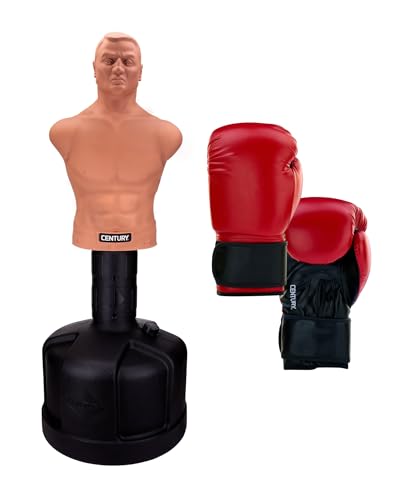
REALISTIC TRAINING: The original BOB - Body Opponent Bag features a life-like mannequin with vinyl skin for more realistic self-defense training, suitable for sparring techniques and target work

Inspired by Nature: The HIT N MOVE Turtle Mitts draw inspiration from the protective shell of a turtle, offering a unique design that enhances coaching precision and effectiveness. Perfect for those serious about their boxing equipment, these boxing mitts elevate training sessions.

Nature-Inspired Compact Design: The HIT N MOVE Micro Mitts are designed after a turtle’s protective shell but scaled down for increased speed and agility. These lightweight boxing mitts are ideal for trainers looking for quick, precise mitt work in any boxing training session.
Angular Head Movement Patterns

Angular head movement patterns represent a dynamic and essential aspect of effective striking defense. These movements prioritize speed and quickness, allowing fighters to evade strikes from unpredictable angles. Utilizing angular displacement, techniques like slips and weaves navigate geometric shapes, moving the head along direct lines between defined points. This multi-directional motion enhances evasion against various punches. Evasive techniques like ducking and pivoting further amplify defensive strategies by creating new angles and increasing distances from incoming blows. Mastery of these techniques requires precise timing and motor control, ensuring effective application in the heat of action. Incorporating footwork enhances angular movements, enabling fighters to dynamically position themselves for both defense and counterattacks, creating opportunities for striking triumph. Proper protective equipment, including instep guards with foam padding, helps minimize injury risks during training sessions where practitioners drill these defensive movements repeatedly.
Key Fundamentals of Defensive Head Movement

Understanding the key fundamentals of defensive head movement is essential for anyone serious about striking sports. This technique relies on efficient head movement to enhance defensive positioning. The focus is on minimal motion, primarily initiated through the hips, ensuring balance and supreme stability. Using subtle shifts, athletes can slip, duck, or roll to evade incoming strikes while maintaining their posture. Proper head movement decreases the target area, disrupting an opponent’s rhythm and enabling counterattacks. Techniques like weaving and pulling allow fighters to evade punches effectively. By mastering these fundamentals, practitioners can not only avoid strikes but also create openings for their offensive maneuvers, enhancing their overall skill set in the ring or cage. Consistent practice of these movements increases agility and reaction time, allowing fighters to respond more effectively to incoming attacks.
Integrating Head Movement With Footwork
Effective integration of head movement with footwork stands as a crucial skill for any fighter aiming to enhance their defensive and offensive game. Footwork serves as the foundation, allowing fighters to maintain balance and create strategic angles. Combining head movement with footwork enriches defensive capabilities, helping evade strikes and confuse opponents. Fighters can use balancing drills to practice stepping diagonally or laterally, breaking rhythm effectively. This integration requires movement coordination, ensuring that head and foot dynamics work in harmony. Developing these skills through repetitive practice transforms mechanical motions into instinctive reactions. Ultimately, the better a fighter integrates head movement with footwork, the more dynamic and unpredictable their offense becomes, keeping opponents on their toes. During training sessions, proper headgear with a 180-degree field of view enhances awareness and allows fighters to safely practice these combined movements while maintaining full visibility of their training partner’s attacks.
Recommended Products

Medium(Japanese Size): 21.0-23.0inch / 54-59cm

EVOLUTIONARY COMBAT SPORT HEADGEAR: Designed with advanced air armor technology, this martial art headgear provides superior protection and performance, setting a new standard for boxing headgear, workout equipment and fighting headgear alike.

REVOLUTIONARY COMBAT SPORT HEADGEAR: Designed with advanced air armor technology, this martial art headgear provides superior protection and performance, setting a new standard for boxing headgear, workout equipment and fighting headgear alike.
Strategies for Effective Counterattacks
Counterattacks serve as a crucial strategy in any fighter’s repertoire, turning the tide of a match in an instant. Effective counterattack timing hinges on recognizing a moment when an opponent makes mistakes, such as overcommitting to strikes or telegraphing their movements. These errors create openings for swift and precise counterattacks. By capitalizing on an opponent’s forward momentum, a fighter can disrupt their rhythm, preventing recovery or follow-ups. Target selection plays an essential role, as attacking different zones, like the abdomen or limbs, increases the likelihood of success. Regular drills and sparring enhance anticipation skills, ensuring a fighter remains sharp and adaptive. Wearing lightweight boxing shorts with side slits can significantly improve mobility and freedom of movement during these rapid defensive transitions and counterattack sequences. In this way, counterattacks not only create opportunities but also foster a deeper sense of connection within the community of fighters.
Common Mistakes in Head Movement
Mistakes in head movement can considerably impact a fighter’s performance and overall effectiveness in the ring. Common oversights include excessive head movement, which disrupts balance, and inadequate recovery, leaving fighters open to follow-up strikes. Integrating footwork with head movement is vital; neglecting this can limit defensive strategies. Incorrect timing by moving either too early or late increases vulnerability, while an overreliance on head movement can expose the body. Training methodologies should emphasize the importance of practice under realistic conditions, incorporating feedback for improvement. Understanding and correcting these mistakes fosters more effective techniques, leading to improved performance and safety. Fighters can minimize risks and develop consistent habits to enhance their defensive skills and effectiveness in combat. Proper protective equipment, such as gloves with adequate padding thickness, helps build confidence during sparring sessions where head movement techniques are being developed and refined.
Training Tips for Mastering Head Movement Techniques
Mastering head movement techniques is essential for any fighter looking to improve their defensive skills. Effective training begins with targeted drills such as the knee touch drill, which refines slip distance and head positioning. Incorporating movement variety keeps the head from becoming a static target, essential for evading strikes. A bladed stance enhances mobility while integrating footwork, allowing seamless slips and rolls. Practicing drills like the four-part evasive drill and rope drill promotes fluidity and real-time offensive reactions. Additionally, progressive training intensity helps fighters adapt to dynamic scenarios, gradually increasing the challenge just as one would when developing punching power through consistent resistance training. Focusing on an opponent’s chest, rather than their head, aids in distance management, improving overall defensive effectiveness during practice and sparring.
Recommended Products

REALISTIC QUARTERBACK PASSES: Launches accurate spiral footballs at adjustable speeds and trajectories to simulate game-like passing drills for quarterbacks, receivers, defensive backs, and special teams practice.

Elite 110 MPH Speed for Professional Training: Delivers pitches up to 112 MPH within a 400ft range, engineered for high school, college, travel teams, youth league intensive outdoors backyard training scenarios

Punching Bag Stand: Develop lightning-fast reflexes and transform into a boxing machine with the Ringside Fitness Reflex Bag! Our punching bag will challenge you during every training session and drive you closer to your athletic goals.
Frequently Asked Questions
How Can I Improve My Reflexes for Head Movement?
To enhance reflexes for head movement, one must engage in visual tracking exercises, transforming the mind into a vigilant hawk. Elevating reaction time through focused drills creates a unified bond between heart, mind, and body in movement.
What Exercises Enhance My Balance for Head Movement?
To enhance balance for head movement, individuals can engage in dynamic stability and proprioceptive exercises, such as gaze stabilization, seated head turns, or walking with head turns, fostering both confidence and a sense of community.
Can Head Movement Reduce the Risk of Injury?
Head movement can considerably enhance injury prevention by improving head mechanics. Proper techniques help dissipate forces during impacts, reducing the likelihood of concussions and promoting overall safety, fostering a sense of belonging within athletic communities.
How Does Head Movement Impact My Overall Boxing Style?
Head movement, like a skilled dancer’s glide, profoundly shapes a boxer’s style, enhancing defensive tactics and footwork fundamentals. It opens offensive avenues while crafting a rhythm that invites comradeship among fighters seeking mastery in the ring.
What Should I Focus on During Head Movement Drills?
During head movement drills, individuals should emphasize focus points like timing and balance, while incorporating drill variations that simulate real scenarios. This approach fosters adaptability and coordination, enhancing their overall effectiveness in boxing.


