As an Amazon Associate, we earn from qualifying purchases. Some links on this site are affiliate links at no extra cost to you. Our recommendations are based on thorough research and editorial judgment.


Glove Padding Types: Single, Dual, and Multi-Layer Foam Science

Glove padding comes in three main types: single, dual, and multi-layer foam. Single-layer foam offers lightweight comfort and flexibility, ideal for beginners. Dual-layer foam adds a firmer base for better shock absorption and support. Multi-layer foam combines various densities, maximizing protection and durability while enhancing breathability. Each type has unique benefits and limitations, impacting overall performance. Understanding these features helps guarantee peak safety and comfort during use. There’s more to explore about choosing the right glove padding for your needs.
Key Takeaways
- Single-layer foam padding is lightweight and flexible, providing good grip but limited durability and protection against impacts.
- Dual-layer foam features a soft outer layer for comfort and a firmer base for stability, improving cushioning and reducing hand fatigue.
- Multi-layer foam combines various densities for enhanced shock absorption, breathability, and durability, offering targeted reinforcement in high-impact areas.
- Gel padding conforms to the hand for a customized fit, providing superior shock absorption and minimizing fatigue during extended use.
- Each foam type has trade-offs in terms of comfort, protection, weight, and durability, influencing choice based on intended use.
Understanding Foam Padding Basics
Foam padding serves as a critical component in many products, enhancing comfort and performance. Understanding different foam types helps consumers make informed choices. Dual-layer foam padding combines two densities, offering balanced cushioning and support. The softer top layer delivers immediate comfort, while the firmer base layer guarantees stability and durability. This combination reduces lateral movement and minimizes foam fatigue, lengthening the lifespan of the product. With specialized features, such as heating control, dual-layer padding enhances comfort in prolonged use. When selecting foam, considering foam density is vital, as it directly impacts the cushioning qualities and overall effectiveness. Multi-density foam configurations in boxing gloves provide superior shock absorption by distributing impact forces across multiple protective layers. Whether for cushions or pads, quality foam provides essential support and comfort for users in various applications.
Single-Layer Foam Padding Characteristics

When considering glove padding, single-layer foam offers unique characteristics that cater to a variety of needs and applications. Most single-layer foam gloves consist of a uniform layer made from materials like ethylene-vinyl acetate (EVA) or polyurethane. Each foam type has its merits: EVA is lightweight and excellent for shock absorption, while polyurethane provides durability at the cost of comfort. Single-layer benefits include simplified manufacturing, resulting in a lighter glove that allows for enhanced maneuverability. However, this design can degrade faster under heavy use and lacks targeted protection for areas like the knuckles. Ideal for beginners and light training, single-layer foam gloves balance cost and functionality, fitting into the market for those just starting their journey in martial arts. Before beginning any training session with these gloves, ensure proper warm-ups are completed to prevent injuries and prepare your body for the physical demands ahead.
Recommended Products

Finest Quality Leather: Every pair is carefully assembled with immaculate precision using only the finest leather. Choose from a range of prestigious styles that complement your boxing expertise. Crafted with exquisite quality leather for a rich aroma, smooth texture, and timeless look.

A Truly Innovative Boxing Gloves with a Unique DNA. A new design concept that revolutionizes Boxing Gloves, from adidas --- a Brand that knows “Science Behind the Sports”

A Truly Innovative Boxing Gloves with a Unique DNA. A new design concept that revolutionizes Boxing Gloves, from adidas --- a Brand that knows “Science Behind the Sports”
Advantages of Single-Layer Foam Gloves

Understanding the advantages of single-layer foam gloves can greatly enhance the selection process for users from various industries. These gloves excel in grip performance thanks to their latex foam coatings, providing superior traction for handling tools and small objects. The lightweight structure allows for maximum flexibility, improving dexterity during precise tasks. Single-layer foam gloves are also cost-effective; simpler manufacturing processes lead to lower production costs and prices. Their breathability reduces sweat accumulation, enhancing comfort during extended wear. Additionally, these gloves offer adequate protection against abrasion and minor mechanical risks without compromising on mobility. For users requiring enhanced hand protection during impact activities, upgrading to equipment with multi-layer shock-absorbing foam can provide superior cushioning compared to single-layer options. Overall, single-layer foam gloves offer a balance of performance and affordability, making them a staple in warehousing, automotive, and manufacturing environments.
Limitations of Single-Layer Foam Padding

Despite their numerous advantages, single-layer foam padding comes with notable limitations that can affect performance and safety for users. This type of padding often struggles with durability, breaking down and losing shape after repeated use. As the foam compresses quickly, its capacity for energy absorption diminishes, transferring more shock to the hand and wrist. This results in reduced padding performance and an increased risk of injury. Additionally, single-layer gloves do not adapt well to the user’s hand, causing discomfort and poor fit. The uniform foam structure lacks the multi-density design found in more advanced options, compromising glove durability and overall effectiveness in impact protection. In contrast, gloves with multi-layer foam padding provide superior shock absorption by distributing impact forces more effectively across multiple foam densities. Ultimately, frequent replacements may be necessary for consistent training safety.
Exploring Dual-Layer Foam Padding

Exploring dual-layer foam padding reveals an innovative solution for enhancing glove performance and safety. This advanced structure combines a dense foam base with a softer top layer, promoting superior padding performance. The dense layer absorbs and disperses impacts, while the softer layer cushions the hand, creating a balance of comfort and protection.
Integrating materials like gel enhances foam durability, maintaining shape under pressure. This dual-layer system also reduces vibrations, lowering the risk of injury during intense activity. Additionally, its ergonomic design guarantees a better fit, allowing for natural hand movement. Similar to how double-wall vacuum insulation maintains temperature consistency in water bottles, the dual-layer structure in glove padding creates an effective barrier system for impact management. With these benefits, dual-layer foam padding stands out as a smart choice for athletes seeking reliable protection and performance, empowering them to engage more confidently in their sport.
Recommended Products
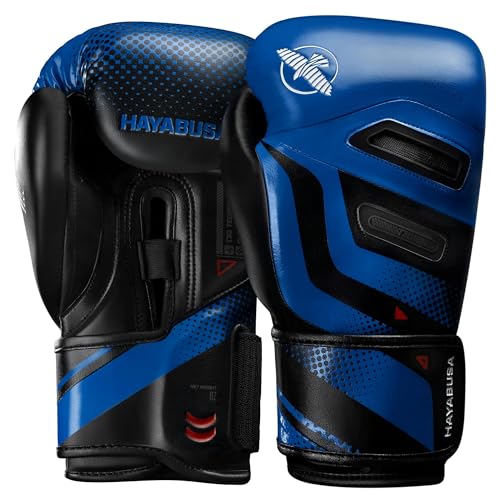
The Future Of Boxing: The world’s first 3D-printed boxing glove. Methodically engineered using innovative printing technology, Hayabusa T3D Boxing Gloves take best-in-class protection, performance, and comfort to a new dimension.

MARVEL HERO ELITE TRAINING GLOVES: Each glove is crafted to reflect your favorite Marvel heroes. Choose from 8 iconic hero designs, including Black Panther, Captain America, Captain Marvel, Hulk, Iron Man, Punisher, Venom, Miles Morales & Thor.

DR-T PADDING TECHNOLOGY: Engineered with Pro Balance padding, our boxing gloves boast a cutting-edge innovation offering a dual-padding solution ideal for both sparring and bag gloves work. This advanced technology eradicates the necessity to interchange gloves, thus optimizing your training sessions for ultimate convenience and effectiveness.
Benefits of Dual-Layer Foam Gloves
Dual-layer foam gloves offer a range of significant benefits for athletes and trainers alike. These gloves feature two distinct foam densities, optimizing impact absorption while ensuring effective hand protection. The firmer outer foam disperses impact forces, safeguarding knuckles during strikes, while the softer inner foam cushions the hand and wrist, reducing injury risks. In a durability comparison, dual-layer designs outlast single-layer options, resisting wear and tear from repeated use. This extra longevity means enhanced usability for both sparring and training sessions. Additionally, the comfort provided by the inner layer alleviates hand fatigue, allowing for longer practice times. For even greater protection, some gloves incorporate triple-layer foam technology, which adds an additional cushioning layer to further enhance knuckle protection during intense training. Overall, dual-layer foam gloves present a well-rounded choice for those pursuing safety, comfort, and performance in their training.
Drawbacks of Dual-Layer Systems
While dual-layer foam gloves provide numerous advantages, they also carry certain drawbacks that users should consider. One major concern is material durability; the foam tends to break down over time, leading to lumps in high-impact areas. Additionally, the internal structure may lose shape without proper support, potentially impacting glove stability. Users can also experience unwanted bulkiness, which affects punch speed and dexterity. The complexity of dual-layer design considerations results in higher production costs, sometimes with minimal performance benefits. Finally, uneven wear patterns can develop, leading to inconsistent protection as different layers degrade at varying rates. Balancing comfort and protection is essential, yet these gloves may fall short in delivering peak performance for extended use. Similar to selecting activewear that accommodates various body types, finding gloves with appropriate sizing ensures optimal fit and performance across different hand shapes and sizes.
The Science Behind Multi-Layer Foam Padding
Understanding the science behind multi-layer foam padding reveals its sophistication and practical advantages for users. This innovative padding system combines layers of varying densities, enhancing padding performance through effective shock absorption and impact resistance. High-density foams offer durability enhancement, sustaining glove shape during off-use periods. Material science in multi-layer structures incorporates viscoelastic elements, like silicone inlays, to optimize comfort while reducing transmitted forces during impact. Foam layering enables improved compression recovery, ensuring the glove retains structural integrity over time. With advanced combinations of open- and closed-cell foams, these gloves offer a balance of cushioning and firmness, fulfilling the needs of athletes and enthusiasts alike. Multi-layer foam padding truly elevates performance and protection, making it a worthy choice for glove design. Quality materials like genuine leather paired with multi-layer padding systems significantly influence overall user satisfaction and glove longevity.
Advantages of Multi-Layer Foam Gloves
Multi-layer foam gloves offer numerous advantages that enhance both performance and protection for users. These gloves combine various foam types, optimizing shock absorption and breathability. This configuration not only improves hand comfort but also aids in injury prevention. Layers of closed-cell foam provide support and water resistance, while open-cell layers guarantee better airflow. Targeted reinforcement in high-impact zones efficiently distributes force, greatly lowering injury risks. Additionally, multi-layer systems enhance durability, meaning these gloves last longer under continuous use. They can be customized for specific activities, addressing needs such as impact resistance and thermal insulation. Overall, multi-layer foam gloves deliver a balanced feel, guaranteeing both soft comfort and firm support, making them an excellent choice for serious athletes. For optimal protection during sparring sessions, a padding thickness of 2.25 to 2.5 inches is recommended to maximize shock absorption and reduce hand injuries.
Disadvantages of Multi-Layer Systems
Disadvantages of multi-layer systems in foam gloves can considerably impact user experience. One issue is multi-layer breakdown, which may lead to unwanted lumps or separation over time. Durability concerns arise, as thinner foam areas, especially around fingers, can crack or split. With increased padding weight, gloves can feel bulkier, causing fatigue during prolonged sessions and potentially reducing hand speed. Comfort issues arise when the fit feels restrictive, and breathability is often compromised, trapping heat and moisture. In addition, the degradation of impact feedback can hinder performance feedback, affecting timing and control. Finally, the manufacturing complexities make multi-layer gloves more expensive, which can discourage some users from investing in them, despite their intended protective benefits.
Gel Padding: A Modern Innovation
Gel padding represents a significant advancement in glove technology, offering both comfort and protection. Made from silicone-based or polymer gel materials, it conforms to the hand’s shape, providing a customized fit. This gel flexibility enhances ergonomic design, reducing pressure on sensitive areas like the ulnar nerve. Users can experience superior shock absorption, which minimizes hand fatigue during prolonged activities, such as typing or cycling. Not only does it retain its cushioning properties longer than traditional foam, but it also features anti-microbial treatments to manage odor. Furthermore, gel padding is often integrated with breathable fabrics, ensuring comfort without bulk. Some boxing gloves combine gel pads with foam padding to enhance both knuckle protection and grip during training sessions. Overall, these gloves invite users into a world of innovative protection, making them feel secure and stylish during any endeavor.
Recommended Products

THE PERFECT FIRST RESPONSE BAG| Be Fully Stocked & Ready to Go in Case of Emergency! | High-Performance, HSA/FSA Approved Trauma Backpack Has Everything You Need to Serve with Confidence | Perfect for EMT, EMS, Fire, Police, Paramedics & Other Servicepeople | Extra Large Model Measures 22” x 14” x 8”

Pack of 12 Pairs Anti Vibration Work Gloves Palm: Synthetic palm with 5mm SBR pad on each finger and palm helps reduce machine vibration. PVC reinforcement for better abrasion function.

Full listing of contents in description below
The Physics of Glove Padding Explained
Understanding the physics behind glove padding can greatly enhance one’s appreciation of its role in protecting athletes and casual users alike. The mechanics of impact dynamics reveal that foam padding compresses under force, absorbing energy and reducing damage. This compression spreads the impact over time, diminishing peak force on the target. A longer contact time also means lower forces are exerted during impacts. In addition, increased surface area from padding disperses forces, minimizing localized injuries. While glove padding excels at preventing cuts and bruises, it cannot entirely eliminate risks like concussions, as momentum remains unchanged. The purpose of padding is clear: to enhance energy absorption, allowing athletes to engage more safely in their favorite sports with confidence.
Different Types of Gloves and Their Purposes
Gloves serve as essential protective gear across various industries and activities, each type tailored to meet specific needs. Leather gloves, made from animal hides, excel in durability and fire resistance, ideal for welding and heavy-duty work. In contrast, string knit gloves offer lightweight protection for general tasks such as assembly and landscaping. Chemical-resistant gloves, crafted from synthetic materials, protect against hazardous substances in labs and food processing. Cut-resistant gloves, designed with advanced fibers, guarantee safety in environments with sharp tools. Finally, disposable gloves, available in various glove materials like nitrile and latex, serve in healthcare and food service, providing barrier protection. Understanding these glove types and their industry applications enhances workplace safety and performance.
Recommended Products

For Everyday Heroes: Raxwell heavy-duty, ambidextrous, black nitrile gloves are constructed for safety, protection, and comfort for everyday jobs done by Everyday Heroes. Whether you work in food service, health care, janitorial industries, or any other industry where hand protection is crucial, these food-safe nitrile gloves are a trusted choice for handling a variety of tasks.

Premium Protection: Raxwell Orange Nitrile Gloves provide durability with an 8.5-mil thickness, designed for professionals needing heavy duty disposable gloves. These nitrile gloves are ideal for tasks requiring robust puncture resistance and reliability

MADE IN THE USA! - FlowGuard is 100% Manufactured in the USA. High Strength .018 heavy gauge painted aluminum will never rust or deteriorate. Full front and rear hem doubles material thickness in high stress mounting area to withstand the most extreme rainfall, snow loads, and winds. Available in a variety of colors White, Thermal Thaw Black, Brown, and Matte Aluminum, STAINLESS STEEL 1/2" #8 twin thread pierce point zip screws.
Choosing the Right Glove Padding for Your Needs
When selecting the right glove padding, one must consider various factors to secure ideal performance and safety. Beginners may find single-layer foam gloves suitable for basic protection at an affordable price. As skills progress, dual-layer padding offers better impact absorption and distributes force more effectively. Those engaging in intense sparring should opt for multi-layer foam systems or gel padding, which provide enhanced protection for knuckles and wrists. It’s important to note that while heavier gloves offer increased durability, lighter options improve speed and maneuverability during training. Ultimately, understanding glove performance and the best padding technology for one’s needs secures a safe and enjoyable experience, whether in the ring or at the gym.
Recommended Products

Youth 10oz Marvel Gloves: Each glove is crafted to reflect your favorite Marvel heroes. Choose from 6 iconic hero designs, including Captain America, Hulk, Deadpool, Wolverine, Thanos, & the Punisher. Perfectly crafted for young adults with a 10oz sizing made for growing hands.

Meet the ultimate high-end sparring glove, specifically designed to withstand the rigors of a professional, World Championship calibre training camp.

ALL DAY DR-T PADDING TECHNOLOGY: Our Plus Weighted boxing gloves are equipped with All Day Dr-T padding, a cutting-edge innovation that offers a versatile 2-in-1 padding solution suitable for both sparring and bag work. This advanced padding technology eliminates the need to switch between sparring and bag gloves, streamlining your training sessions for maximum convenience and efficiency.
Frequently Asked Questions
How Should I Maintain My Boxing Gloves for Longevity?
To guarantee longevity, one should prioritize glove cleaning and proper ventilation. Regular inspections and careful storage preserve padding durability, preventing moisture buildup and odors, fostering a sense of belonging within the boxing community through diligent care.
Can I Customize My Gloves With Different Padding Types?
Custom glove solutions can be personalized with various foam padding options, catering to individual needs. Studies reveal that proper padding greatly reduces injury risk, enhancing performance and fostering a sense of belonging within the boxing community.
What Is the Best Padding for Beginners?
The best padding for beginners typically combines moderate cushioning with comfort. Beginner preferences lean toward soft, protective padding that fosters confidence and technique development, allowing them to train effectively while minimizing injury risks during practice.
How Often Should I Replace My Gloves?
Glove lifespan varies by type and use; typically, padding durability dictates replacement frequency. Regular inspections for damage or wear guarantee safety. For maximal protection, gloves should be replaced when signs of deterioration become apparent.
Is the Weight of Gloves Important for My Performance?
Yes, glove weight dramatically influences performance. Heavier gloves may enhance strength yet inhibit speed and technique, presenting a delicate balance. Ideal weight contributes to improved power retention while minimizing fatigue during dynamic activities, fostering essential athlete proficiency and confidence.


