As an Amazon Associate, we earn from qualifying purchases. Some links on this site are affiliate links at no extra cost to you. Our recommendations are based on thorough research and editorial judgment.


Differences Between Boxing and MMA Mouthguard Needs

Boxing and MMA mouthguards differ mainly in their design and function. Boxing mouthguards focus on absorbing strong front impacts, often being thicker for added protection. In contrast, MMA mouthguards must balance flexibility and slimness for grappling while still providing impact absorption. Custom-fit options offer superior safety compared to stock versions. Breathability and comfort are essential in both sports. Selecting the right mouthguard can greatly improve performance and protection against injuries, and more insights are available on this topic.
Key Takeaways
- Boxing mouthguards prioritize impact absorption and rigid jaw stability to protect front teeth from direct punches.
- MMA mouthguards require flexibility and a slim profile to accommodate both strikes and grappling techniques.
- Thickness for boxing mouthguards is typically around 4 mm, whereas MMA may have varying thicknesses for different situations.
- Dual-layer designs enhance shock absorption and comfort, benefiting both sports by minimizing injury risks.
- Custom mouthguards offer better fit and protection for serious athletes in both boxing and MMA compared to stock options.
Overview of Mouthguard Functions in Combat Sports
Mouthguards play an essential role in the world of combat sports, serving as critical protective gear for athletes in boxing and MMA. These devices create a physical shield that protects teeth, gums, and oral tissues from impacts. Made from effective mouthguard materials like ethylene vinyl acetate (EVA), they absorb and redistribute forces to reduce dental injuries. Their protective features include cushioning that lessens soft tissue damage, such as cuts on the cheeks or lips. Additionally, custom-fit designs guarantee even force distribution, enhancing protection during intense bouts. By stabilizing the jaw and minimizing the risk of concussion, mouthguards are integral to preserving an athlete’s health. Wearing them fosters a sense of safety, allowing fighters to focus purely on competition. High-quality options like the Venum Challenger utilize durable EVA materials specifically engineered to absorb impact forces in combat sports.
Key Differences in Impact Protection for Boxing and MMA

In the domain of combat sports, the specific demands of boxing and MMA shape the design of mouthguards. Boxing primarily requires mouthguards that excel in impact absorption, especially around the front teeth, where punches land most frequently. These guards provide rigid jaw stability to withstand direct blows. In contrast, MMA involves a range of impacts from strikes and grappling, necessitating a more versatile design. MMA mouthguards focus on flexibility and a slimmer profile while maintaining effective impact absorption across a broader area. This balance allows for jaw stability and comfort during dynamic movements. Each sport’s distinct needs dictate specific mouthguard characteristics, ensuring fighters receive protection tailored to their unique situations and styles. Quality mouthguards feature dual-core design technology that effectively disperses shock forces across the protective layers, providing enhanced safety for athletes in both disciplines.
Recommended Products

Curved shape: Fairtex Thai pads are specifically designed for maximum endurance and impact. This boxing equipment allows for hard hitting & punching with maximum trainer protection

Perfect fit: Fairtex boxing glove 2 pair set is ergonomically designed with a unique contoured and tight-fit hand compartment designed to provide a secure and snug fit makes it easy for men & women

Perfect fit: Fairtex boxing glove 2 pair set is ergonomically designed with a unique contoured and tight-fit hand compartment designed to provide a secure and snug fit makes it easy for men & women
Thickness Variations in Mouthguards for Different Sports

Thickness plays an essential role in the design of mouthguards used in combat sports. For boxing, mouthguard thickness typically hovers around 4 mm to effectively absorb high-impact blows. In contrast, MMA may also utilize a similar thickness, yet the variation comes from its unique striking and grappling demands. Thicker mouthguards of 5-6 mm are recommended for extreme protection in high-risk sports. Each sport has specific needs that dictate these thickness variations. For fighters, the balance between adequate mouthguard thickness and comfort is vital. Modern designs achieve this by maintaining breathability while providing ideal protection. Mouthguards featuring dual-layer designs offer superior cushioning that enhances both shock absorption and comfort during intense combat. Ultimately, choosing the right mouthguard thickness guarantees athletes perform at their best while safeguarding their smiles in combat sports.
Recommended Products

PERFECT-FIT MOUTHGUARD – Get a 100% perfect fitting mouthguard for optimal protection. We send you a professional-grade, fast, and easy-to-use at-home teeth impression kit (includes paid postage to the dental lab).

PERFECT-FIT MOUTHGUARD – Get a 100% perfect fitting mouthguard for optimal protection. We send you a professional-grade, fast, and easy-to-use at-home teeth impression kit (includes paid postage to the dental lab).

Custom vs. Stock Mouthguards: Finding the Right Fit

Selecting the right mouthguard can greatly impact performance and safety in combat sports like boxing and MMA. Athletes must choose between custom and stock options. Custom mouthguards fit precisely to the athlete’s teeth, ensuring comfort and minimizing slipping. This secure fit meets higher safety standards, providing superior shock absorption and reducing injury risk. On the other hand, stock mouthguards come in limited mouthguard sizes, often resulting in a bulky feel that can hinder breathing and speaking. While stock guards are budget-friendly and readily available, they may require frequent adjustments and lack durability. For those seeking a middle ground, boil-and-bite mouthguards offer customizable fitting through a boiling process that allows athletes to mold the guard to their teeth at home. Ultimately, serious athletes often find that investing in a custom mouthguard yields better protection and comfort, boosting their confidence in the ring.
Recommended Products

STAY STUCK IN WET CONDITIONS - Impacts stay stuck sport tape is ideal for training and sports day. Designed to hold up against sweat and stay stuck in wet conditions

Taekwondo Sparring Equipment Gear Set for kid/youth/adult includes total of 6 items: Gear Bag, Headgear, Chest protector, Forearm protector, Shin & Instep protector, and Mouth Guard with case

Taekwondo Sparring Equipment Gear Set for kid/youth/adult includes total of 6 items: Gear Bag, Headgear, Chest protector, Cloth Forearm protector, Cloth Shin & Instep protector, and Mouth Guard with case
The Importance of Breathability in Mouthguard Design
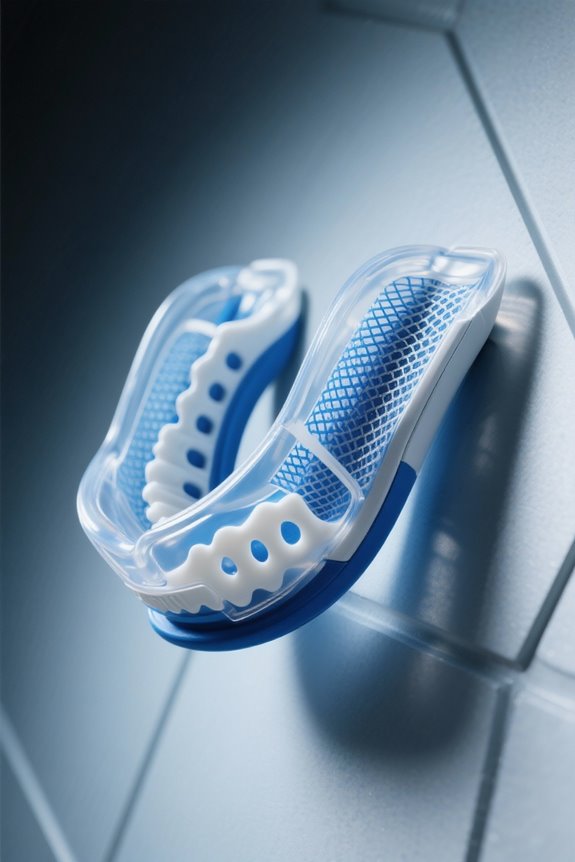
Breathability plays an essential role in mouthguard design, particularly for athletes engaged in high-intensity sports like boxing and MMA. Custom designs are important, as they enhance airflow and guarantee athletes can breathe comfortably. A well-fitted mouthguard improves oral ventilation, reducing breathing resistance during competition. Features like air channels or grooves promote airflow, decreasing moisture buildup and enhancing comfort. Thinner profiles maintain protection without compromising breathability, allowing athletes to focus on performance. Performance mouthpieces can improve breathing efficiency, supporting muscular endurance. With superior breathability, athletes can push harder, maintain stamina, and recover quicker. OPRO’s hi-flow gel technology facilitates easy airflow and hydration, making it particularly beneficial for boxers and MMA fighters who require optimal breathing during intense competition. Choosing the right mouthguard is key, as enhanced airflow not only promotes better performance but also boosts confidence during those critical moments in the ring or cage.
Durability Requirements for Boxing vs. MMA Mouthguards
Durability is a critical factor when distinguishing mouthguard requirements for boxing and MMA. Boxing mouthguards need substantial thickness for effective shock absorption from high-impact punches, often prioritizing firmer materials to prevent deformations. In contrast, MMA mouthguards must withstand diverse impacts, including strikes and grappling, requiring enhanced flexibility and multi-impact resistance. This balance helps them avoid material degradation while maintaining a slim profile that facilitates movement. Custom-made options are popular in both sports, offering tailored durability that suits athletes’ unique needs. However, affordable boil-and-bite types often compromise longevity. Ultimately, the choice of protective gear reflects each athlete’s specific demands, emphasizing the importance of quality materials to guarantee lasting protection during intense competition. Similar to protective headgear, proper maintenance through cleaning with mild soap and water after each use significantly extends the lifespan of mouthguards and prevents bacteria buildup.
Impact of Mouthguard Comfort on Athlete Performance
While engaging in high-intensity sports like boxing and MMA, comfort with equipment can markedly influence an athlete’s performance. Mouthguard comfort preferences play a critical role in both breathing and communication during matches. Custom-made mouthguards minimize oral airflow restrictions, allowing for better respiratory efficiency and facilitating oxygen intake. This improved comfort positively affects overall performance. Additionally, custom options reduce speech difficulties, enhancing communication strategies during training and competition. Athletes who find their mouthguards comfortable are more likely to keep them in, reducing injury risk and maintaining focus. Conversely, poorly fitting or uncomfortable mouthguards can distract athletes, leading to decreased confidence and, ultimately, performance. Modern mouthguards featuring anti-gag design technology help minimize interference during performance, allowing combat sports athletes to maintain their competitive edge. Consequently, selecting the right mouthguard can be a game-changer in combat sports.
Mouthguard Types: Exploring Options in Combat Sports
What types of mouthguards are available for combat sports? There are several options tailored for athletes’ needs. Stock mouthguards are basic and affordable but bulky, making them less protective. Boil-and-bite models use thermoplastic material that softens when heated, allowing for a semi-custom fit—ideal for beginners. For serious athletes, custom-fit guards, made from dental impressions, provide the best protection and comfort thanks to advanced material technologies. Additionally, specialized mouthguards for braces cater to those needing extra support. Brands like Shock Doctor and Venum offer various designs. Just as proper protective equipment is essential for mouth safety, selecting gloves with effective wrist support prevents injuries during striking training. Ultimately, selecting the right type can enhance athletic performance, ensuring both safety and breathability during intense training or matches, fostering a sense of belonging within the combat sports community.
Recommended Products

Custom-Fit Precision – Molded perfectly to the shape of your mouth utlizing the latest 3D print technology, ensuring a snug and secure fit. No more bulky, uncomfortable mouth-guards!

Set Includes Total of 8 Items: Head Guard + Chest Guard +Fighter Gloves+ Hand Strap + Shin Guard(or Shin Instep Guard)Foot Protector + Groin Guard(Male) + Mouth Guard w/ Case (M 59-67 Inches Height Youth)+A Storage Bag

Custom Fit & Comfort – Individually handcrafted to provide a precise, secure, and comfortable fit that molds perfectly to your teeth.
Multi-layer Designs: Advanced Protection in MMA
MMA athletes require mouthguards that provide superior protection, and multi-layer designs stand out for this purpose. These advanced mouthguards utilize layered protection with materials of varying densities. The outer layers are made of harder substances to resist impacts, while softer, gel-like inner layers cushion teeth and gums. This multi-density construction guarantees that shocks are distributed evenly across the jaw, lowering the risk of injuries to teeth, jaw, and brain.
Additionally, these designs often feature ergonomic shaping to enhance comfort and breathability. By allowing airflow and stabilizing the jaw during action, they protect athletes without restricting movement. Similar to how hand wraps provide essential wrist support and hand protection during training, mouthguards serve as critical protective gear for combat athletes. Overall, multi-layer mouthguards represent a significant evolution in safety, meeting the unique demands of intense MMA environments.
Communication Needs During Training and Competition
Effective communication is crucial in both training and competition for athletes involved in contact sports like boxing and MMA. In training, clear verbal cues can be challenging with bulky mouthguards that restrict speech. As a result, fighters often rely on silent signals or predefined codes to guarantee effective training strategies. Coaches adapt to this by using visual demonstrations or gestures, fostering teamwork and comprehension. During competition, especially between rounds, effective communication with corners becomes critical. Quick mouthguard adjustments are necessary, as custom-fit designs balance protection and speech clarity, enabling athletes to share strategies rapidly. Enhanced communication techniques reduce the risk of miscommunication, assuring that fighters feel connected and supported throughout their journey in the sport. Practicing these communication skills can be reinforced through cardio training sessions with equipment like punching bags, which accommodate various training styles including boxing and MMA to help fighters develop rhythm and timing alongside their verbal coordination.
Recommendations for Beginner Fighters: Mouthguard Choices
Choosing the right mouthguard is crucial for beginner fighters stepping into the world of boxing and mixed martial arts. First-time fighters should consider boil-and-bite mouthguards for decent fit and protection. Custom entry-level models, like SAFEJAWZ, offer adjustable options, perfect as beginners’ needs change. Beginners should note the importance of thickness; a guard around 4-5mm balances safety and comfort. Retention is key—select guards that securely fit without slipping. Breathability promotes comfort, enabling better airflow during training. Additionally, proper mouthguard maintenance is fundamental; clean guards regularly to enhance longevity. These beginner tips help guarantee that fighters gain confidence while prioritizing safety, allowing them to focus on developing their skills in the ring or cage.
Recommended Products

Premium Quality: Made with durable materials, these shin guards are built to withstand the demands of Muay Thai, kickboxing, and MMA, ensuring long-lasting performance

YOKKAO Boxing Gloves are made of premium leather, providing excellent durability and protection for all your training needs, including pro boxing gloves and youth boxing gloves.
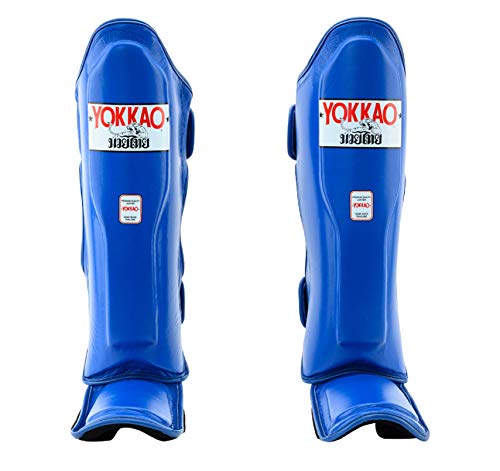
YOKKAO Muay Thai Shin Guards: These shin guards are designed specifically for Muay Thai, kickboxing, and MMA, providing superior protection and support during intense training sessions.
Common Injuries Prevented by Using Proper Mouthguards
Proper mouthguards are an essential line of defense against a range of injuries commonly faced in boxing and mixed martial arts. Injury statistics show that mouthguards markedly reduce dental trauma, jaw dislocations, and facial lacerations. Training anecdotes often highlight the importance of a properly fitted mouthguard, which can absorb impact forces and help mitigate concussion risks. Additionally, they protect against soft tissue injuries like cuts and bruises. Athletes who prioritize mouthguard use often report fewer injuries and increased confidence during bouts. By stabilizing the jaw and providing mechanical protection, mouthguards play a vital role in ensuring fighter safety. Investing in a quality, custom-made mouthguard can make a significant difference in performance and health.
Regulatory Standards and Mouthguard Requirements
While mouthguards are essential for protecting athletes in boxing and MMA, regulatory standards governing their use serve to guarantee safety across all levels of competition. Most boxing organizations mandate mouthguards, emphasizing a thickness of 3–4 mm to balance protection and functionality. In MMA, mouthguards are also required for all sanctioned fights and typically range from 4 to 7 mm, depending on the fighter’s weight class. Regulatory compliance is critical, ensuring that custom-fit guards provide ideal comfort and safety. Material standards often dictate using durable materials like EVA. These standards help fighters maintain natural breathing and secure fit, contributing to overall performance while reducing injury risk. Ensuring mouthguards meet these criteria fosters a safer combat environment for everyone involved.
Specific Usage Patterns in Boxing and MMA Competitions
How do mouthguard usage patterns differ between boxing and MMA competitions? In boxing, mouthguards are mandatory to protect against dental injuries, jaw fractures, and concussions. Usage statistics reveal that up to 39% of dental injuries in sports occur in boxing, highlighting the need for effective mouthguards. Commonly, boxers opt for boil-and-bite styles for affordability, though some feel these may hinder performance. In contrast, MMA regulations typically mandate mouthguard use as well, but custom-fit models are preferred for better protection and comfort. The intense nature of MMA, with its diverse fighting styles, requires mouthguards that do not interfere with breathing. Both sports benefit from quality materials, ensuring mouthguard effectiveness in reducing injury risks during competition.
Insights From Trainers: Choosing the Right Mouthguard
Selecting the right mouthguard is a crucial decision for athletes in both boxing and MMA. Trainer insights highlight the importance of mouthguard customization for safety and performance. Custom mouthguards offer tailored fit and superior protection, using dental impressions to guarantee they don’t move during impact. Trainers often recommend single upper-arch mouthguards for advanced athletes, balancing protection with breathability. Materials such as EVA and layered composites provide shock absorption while maintaining comfort. For professional MMA fighters, multi-layered options are necessary for durability against diverse strikes. Coaches advise replacing mouthguards periodically to maintain hygiene and effectiveness. Understanding fit and comfort can greatly enhance performance, allowing fighters to focus entirely on their game. Choose wisely to guarantee you’re protected and confident in the ring or cage.
Frequently Asked Questions
Can I Use a Boxing Mouthguard for MMA Training?
Using boxing mouthguards for MMA training is possible for light sparring, but they lack the specific protection needed for diverse impacts like kicks and elbows. Dedicated MMA mouthguards offer better safety and comfort during intense practices.
How Often Should I Replace My Mouthguard?
Mouthguard replacement frequency should be every 6 to 12 months, depending on wear and usage. Regular replacements enhance performance impact, ensuring athletes maintain ideal protection and comfort during training and competition, fostering a sense of belonging within their sport.
Are There Mouthguards for Kids in Boxing and MMA?
Mouthguards for kids in boxing and MMA prioritize youth safety, offering options that guarantee proper mouthguard fit. Available in custom, boil-and-bite, and stock designs, they help protect young athletes during their training and competitions.
What Materials Are Best for Comfort in Mouthguards?
A young athlete benefited from a custom fit mouthguard made of medical-grade silicone comfort, considerably reducing discomfort during practice. This choice guaranteed a snug fit, enhancing both protection and overall performance in combat sports activities.
Can My Mouthguard Affect My Concentration During Fights?
Yes, mouthguard fit considerably affects concentration techniques during fights. Ill-fitting mouthguards distract fighters, impeding focus and mental clarity. Conversely, custom mouthguards enhance comfort, supporting concentration on strategy and opponents, ultimately improving overall performance.


