As an Amazon Associate, we earn from qualifying purchases. Some links on this site are affiliate links at no extra cost to you. Our recommendations are based on thorough research and editorial judgment.


Conditioning Vs Technical Rounds: Structuring Bag Sessions

Conditioning rounds boost endurance and stamina through high-repetition, low-intensity exercises. They help athletes delay exhaustion and simulate fight scenarios. Technical rounds refine skills with precision drills. This combination enhances both fitness and technique. Structuring bag sessions involves warming up, using focused 3-minute rounds, and prioritizing form. Adjusting training levels guarantees each athlete’s needs are met. Balancing these aspects fosters skill development and overall performance. With a solid understanding, you can optimize your training strategy further.
Key Takeaways
- Start with a dynamic warm-up to prepare the body for both conditioning and technical training during bag sessions.
- Incorporate round-based structure for alternating focus on endurance and skill execution, like 3 minutes of work followed by 1 minute of rest.
- Prioritize quality punching technique during technical rounds, ensuring proper form before increasing intensity in conditioning rounds.
- Balance aerobic conditioning with high-intensity intervals in advanced sessions to simulate fight scenarios and improve both endurance and tactical adaptability.
- Conclude with cool down activities, incorporating light stretching and shadow boxing to promote recovery after a structured bag session.
Understanding Conditioning Rounds
Conditioning rounds serve an essential role in preparing athletes for the demands of competition. They enhance endurance, enabling athletes to delay exhaustion during matches. By training in these rounds, athletes learn to maintain both defensive and offensive capabilities, vital for preventing mistakes when fatigue sets in.
Conditioning benefits come from stimulating both aerobic and anaerobic energy systems. The focus here is on developing aerobic capacity, which supports sustained performance. Athletes experience bursts of high-intensity effort, emulating real fight conditions. This training helps maintain technique, guard, and mental focus through fatigue, reducing the risk of knockouts. Proper hydration strategies during these intense sessions, including consuming electrolyte drinks during lengthy gym sessions, help maintain optimal energy levels and prevent performance decline.
The Importance of Technical Rounds

While athletes often focus on physical conditioning, technical rounds play an essential role in honing skills necessary for competition. These rounds emphasize technical execution, allowing boxers to practice techniques at a realistic speed. By simulating real-fight scenarios, athletes develop tactical adaptability, refining their timing and distance management. Technical rounds enable repetitive practice, building muscle memory and enhancing cognitive understanding of strategies. Coaches can identify and correct faults, ensuring fighters are prepared for the ring. The controlled environment reduces injury risk and boosts confidence, as boxers simulate actual fight conditions while maintaining mental clarity. Integrating these rounds into training balances skill enhancement with physical fitness, fostering a holistic approach for aspiring champions. Just as proper equipment like shin guards protects fighters during training, technical rounds safeguard skill development by allowing controlled practice without the full intensity of sparring.
Structuring an Effective Bag Session

A well-structured bag session is essential for any boxer looking to enhance their skills effectively. To achieve specific bag session objectives, start with a warm-up that activates muscles through dynamic movements, light punches, and stretching. During the actual workout, implement a round-based structure, typically featuring 3-minute work intervals followed by 1-minute rest. Each round should target different training focus areas, like footwork in one round and power punches in another. Quality punching technique is critical, focusing on form first, and later increasing intensity with varied drills. Ensure you’re wearing shorts with side slits that allow for the full range of motion required during lateral movements and pivots. Finally, cool down with some light stretching and shadow boxing to encourage recovery. This approach creates a thorough training experience, fostering growth and belonging within the boxing community.
Recommended Products
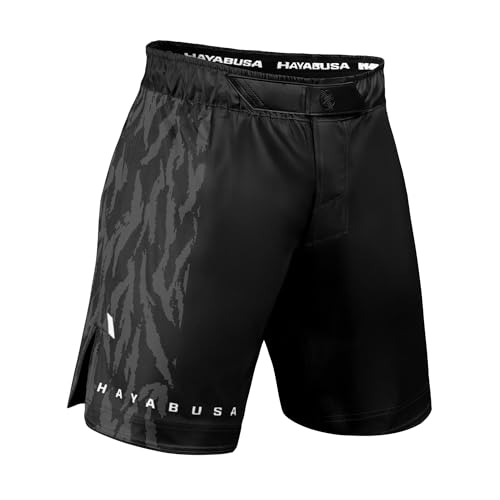
Virtually Indestructible Design: Constructed with high-tensile, abrasion-resistant fabric and reinforced flatlock stitching, these shorts are built to hold up under pressure—training after training, roll after roll

The Ultimate Hybrid Fight Shorts: Virtually indestructible and insanely comfortable. These fight shorts are equipped with extended side slits, inner thigh stretch panels, and the perfect mid-thigh cut to maximize your mobility.

Hybrid Training Optimized: Uniting the fit/feel of both kickboxing and boardshorts with a wide range of motion, comfortable fit, and ultra high-strength fabric. These fight shorts are designed to feel incredible, whether you’re throwing a kick or grappling on the mats.
Adapting Training Levels for Different Athletes

Adapting training levels for different athletes is essential for optimizing performance in boxing. Effective athlete profiling helps identify unique strengths and weaknesses. Lower-level athletes should begin with fundamental aerobic conditioning, gradually integrating high-intensity intervals. This approach builds endurance and prevents injury. In contrast, advanced boxers thrive on high-intensity interval training (HIIT), designed to mimic the anaerobic bursts during fights.
Additionally, conditioning protocols should address specific energy systems. Explosive athletes need power training focusing on short bursts, while endurance-focused boxers benefit from repeated high-intensity efforts. Tailoring training to each athlete’s energy systems not only enhances performance but also encourages a supportive environment where each individual can achieve their best. Home boxing gym setups require adequate space, with approximately 10 by 10 feet sufficient for essential equipment and safe movement during training sessions. This personalized approach fosters growth, making everyone feel included on their journey to success.
Recommended Products

𝐂𝐎𝐌𝐏𝐀𝐂𝐓 𝐅𝐎𝐋𝐃𝐀𝐁𝐋𝐄 𝐃𝐄𝐒𝐈𝐆𝐍 – 𝐇𝐎𝐌𝐄 𝐆𝐘𝐌 𝐖𝐈𝐓𝐇𝐎𝐔𝐓 𝐈𝐍𝐒𝐓𝐀𝐋𝐋𝐀𝐓𝐈𝐎𝐍: Train with powerful digital resistance in a sleek, freestanding unit that folds into a full-length mirror—no wall mounting, drilling, or permanent setup required.

Large 22 Inch Rotating HD Screen: Enjoy immersive rowing sessions and off-equipment workouts like yoga or strength training on a bigger screen with crisp resolution and upgraded built-in soundbar
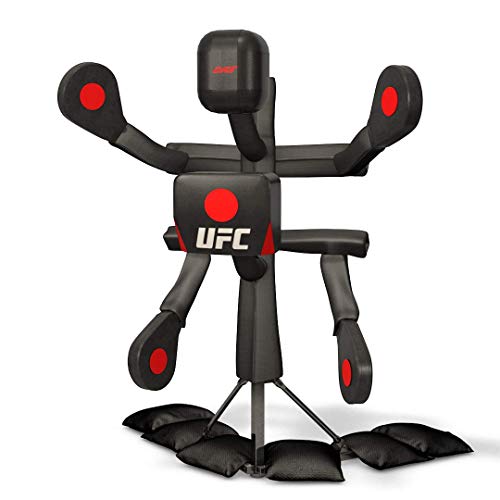
Ultimate Full-Body Workout: Harness the power of an all-in-one workout system designed to improve precision, strength, speed, reflexes, and cardio.
Integrating Interval Training for Enhanced Results

How can integrating interval training enhance boxing performance? By adopting high-intensity interval training (HIIT), boxing practitioners can experience notable interval benefits. This approach alternates bursts of peak effort with rest, mimicking the dynamics of a real match. Such structured sessions boost training intensity, elevating heart rates to ideal zones for improved cardiovascular health. As a result, fighters develop explosive power and enhance recovery between rounds, allowing them to maintain high output without fatigue. Additionally, interval training fosters muscle endurance and sharpens coordination through varied drills. Modern Bluetooth boxing machines can further enhance these interval sessions by synchronizing strikes with music tempo, creating an immersive training atmosphere that maintains real-time synchronization between workout intensity and rhythm. With these tailored workouts, athletes maximize their skill development while achieving fitness goals, paving the way for a stronger sense of community among those pursuing excellence in the ring.
Recommended Products

Precision Sensitivity for All Ages — Music Boxing Machine: This music boxing machine features finely tuned sensors that register light hits (kids can trigger it easily) while prioritizing the first strike to avoid mis-counts, one adult pair and one child pair of boxing gloves for parent-child play, and an extra pair of Velcro strips for alternate mounting positions(20.3"×24.3").

[GREAT FOR ALL GYMS AND WORKOUTS] - Use the Flex Timer in your home gym, garage gym, CrossFit box, commercial/chain gym, high school, team workout facility, boxing or MMA studio, and so much more. With 11 main timer modes (including Standard Count Up/Down, Round, Interval, Tabata, EMOM, Work-to-Rest Ratio, Multi-Segment, and Laps/Stopwatch) and various sizes of crystal clear LED displays, there is a Flex Timer for everyone!

Unresponsive Punching Pads?丨Our music boxing machine features a 5-point sensor chip ensures lightning-fast feedback. Feel every light punch connect instantly for a seamless rhythm flow.
Prioritizing Safety and Efficiency in Training
Safety and efficiency are paramount in boxing training, especially when using heavy bags. Prioritizing injury prevention begins with a proper warm-up, preparing muscles and joints for intense sessions. Using correct hand wraps and gloves reduces the risk of hand and wrist injuries during repetitive striking. Selecting gloves with effective padding systems, such as multi-layer foam or specialized shock absorption technology, provides crucial protection for your hands and knuckles during high-intensity bag work. Maintaining the proper punching technique is essential to avoid overuse injuries. Balancing session intensity is vital; starting with low-intensity rounds allows for technique focus before increasing speed. Active recovery and tailored work/rest ratios help manage fatigue, safeguarding form. Remember to cool down, promoting recovery and reducing soreness. By implementing these strategies, trainers can create an environment that encourages growth and camaraderie while minimizing injury risks, creating a supportive atmosphere for all participants.
Recommended Products

Manufactered by Winning in Japan with the craft

This bundle comes with the Everlast Single Station Heavy Bag Stand and a 70 lbs. Heavy Bag Kit which is the complete set up for your gym!

BODY OPPONENT BAG - The BOB is a freestanding heavy bag training tool offering a realistic experience when punching, kicking and striking the bag during your mixed martial arts workouts or during sparring sessions for those into boxing & kickboxing
Monitoring Progress and Making Adjustments
Monitoring progress in boxing training is a vital aspect that complements safety and efficiency. Utilizing tools like punch trackers, round timer apps, and heart rate monitors enhances progress tracking, offering valuable insights into performance. Data analysis helps identify key metrics such as punch count, speed, and overall output, allowing athletes to set realistic progress milestones. Adjustments can then be made, like increasing workout intensity or integrating new techniques. Embracing technology, such as apps for real-time punch tracking, encourages consistent training and motivates growth within a supportive community. Performance records and milestone rewards foster an atmosphere of achievement, ensuring every fighter feels they belong on their journey toward improvement and success in the ring. Just as UV-resistant coating protects bungee cords from environmental damage, proper monitoring safeguards your training progress from stagnation and helps maintain consistent performance over time.
Recommended Products

VERSATILE 2-IN-1 SOLUTION: Includes uPunch CR1000 Digital Time Clock and Date Stamp, 50 time cards, one ribbon & 2 keys - perfect for small business time and document management.

TRACK PUNCH SPEED, POWER & COUNT IN REAL TIME: PunchLab's Bluetooth sensors clip onto any boxing glove with the included elastic bands and instantly measure every strike — on a heavy bag or shadow boxing. Sweat-resistant, 100g total weight, and ready to use in under 60 seconds.

GREAT FOR HOME OR CLASS: Simple timer with three colored lights and an optional alarm with visual and auditory cues for timed activities
Frequently Asked Questions
How Do I Prevent Fatigue During Long Bag Sessions?
To prevent fatigue during long bag sessions, individuals should integrate effective rest techniques and hydration strategies. Controlled breathing and alternating punch intensity aid endurance, while maintaining hydration enhances performance and recovery, fostering a sense of community among peers.
Can I Include Both Conditioning and Technical Rounds in a Single Session?
Yes, combining conditioning benefits with technical focus is feasible. This fusion enhances fitness and fight readiness while forging community among practitioners, making sessions stimulating, structured, and considerably supportive toward achieving boxing goals collectively.
What Are the Best Drills for Beginners in Technical Rounds?
For beginners, effective technical drills include basic punch combinations like jab-cross sequences, combined with footwork drills emphasizing movement and balance. These exercises create a strong foundation, fostering growth and confidence within a supportive community of aspiring boxers.
How Often Should I Change My Bag Session Routines?
To enhance performance and prevent plateaus, practitioners should alter bag session routines every 4–6 weeks for beginners and every 2–4 weeks for advanced athletes, promoting effective workout variation and maintaining motivation within their training community.
What Nutrition Should I Focus on for Recovery After Bag Training?
For ideal recovery after bag training, focus on protein intake to repair muscles and implement effective hydration strategies to restore lost fluids. Nutrient-rich meals and timely snacks enhance overall recovery and performance, fostering a supportive fitness community.


