As an Amazon Associate, we earn from qualifying purchases. Some links on this site are affiliate links at no extra cost to you. Our recommendations are based on thorough research and editorial judgment.


Defensive Layering: Parry, Block, Catch, and Counter

Defensive layering in combat sports combines four key techniques: parrying, blocking, catching, and countering. Parrying redirects attacks, while blocking absorbs them, creating a shield against strikes. Catching involves intercepting punches or kicks, maintaining mobility, and building confidence. Countering allows fighters to exploit openings during an opponent’s attack. This multi-faceted approach enhances a fighter’s adaptability and effectiveness in defense, preparing them to manage various challenges. For more on each technique’s nuances, check out the following sections.
Key Takeaways
- Defensive layering combines parrying, blocking, catching, and countering to create a comprehensive defense against attacks.
- Parrying redirects strikes and is enhanced by timing and rhythmic practice for optimal effectiveness.
- Blocking serves as a secondary defensive measure, providing protection while enabling quick transitions into counterattacks.
- Catching techniques allow you to absorb and control strikes, seamlessly integrating defense with offensive opportunities.
- Counterattacks exploit openings created by opponents’ mistakes, reinforcing the importance of tactical awareness and energy management.
Understanding Defensive Techniques
Understanding defensive techniques is essential for anyone looking to enhance their skills in combat sports. These skills rely on foundational defensive principles that dictate how to manage distance and utilize frames effectively. Distance control allows fighters to keep opponents at bay, while frames serve as barriers, protecting critical areas. Additionally, mastering hip control is fundamental for maintaining a dominant position during exchanges. The impact analysis of layered defense benefits participants by outlining strategies like outer and inner blocks, both effective against various strikes. Awareness plays a pivotal role; it aids in anticipating attacks, allowing practitioners to react promptly. Proper hand wraps and gloves provide essential protection during training, minimizing the risk of injury while practicing these defensive movements. By engaging with these techniques, individuals foster a sense of belonging while honing their skills in a supportive environment.
The Art of Parrying

Parrying is a fundamental defensive skill in combat sports that can greatly enhance a fighter’s ability to redirect incoming attacks. Mastering various parrying techniques, such as the down parry, side parry, and cross parry, allows a fighter to effectively deflect punches and create counterattack opportunities. Timing mastery is vital, as the parry must intercept the attack just before impact. This quick redirection not only protects the fighter but can also open a path for a swift counter, catching the opponent off guard. Training in parrying encourages repetitive practice, improving coordination and reflexes. Engaging with these techniques can foster a deeper sense of confidence and belonging within the martial arts community, as every fighter hones their skills together. Since parrying demands significant shoulder stability, incorporating exercises like shoulder external rotations and scapular push-ups into training routines can help prevent injuries and enhance defensive performance.
Recommended Products

REALISTIC PRACTICE: Correct head, shoulder and horn dimensions for proper loop delivery and life like practice. Includes horn wrap.

Enhanced 3.0 Version Design: Improved with addition of realistic hands and feet for more authentic training experience, available in both Youth and Adult sizes

EXCEPTIONAL CRAFTSMANSHIP: Precision-forged 1080 carbon steel blade ensures superior durability and cutting power, making it a formidable addition to any collection.
Effective Blocking Strategies

Blocking serves as an essential defensive strategy in combat sports, complementing parrying techniques. Effective blocking techniques require quick movements and solid timing. Fighters must excel in blocking distance management to reduce incoming attacks’ impact. One beneficial aspect of blocking is the use of multi-purpose blocks. These can shift seamlessly into counterattacks, enhancing both defense and offense. Additionally, adaptive blocking strategies allow fighters to respond to various opponents and fighting styles. Techniques such as the high block or elbow block work well at different ranges, protecting critical areas. Practicing with partners improves reaction time and agility, enabling fighters to adapt on the fly. Protective equipment like shin guards with adjustable elastic straps ensures secure fit and mobility during intensive training sessions. Clear understanding and application of these strategies foster a sense of belonging within the combat sports community.
Recommended Products

1. TPU shin plate 2. Adjustable and replaceable micro buckle system 3. Velcro strap closure 4. Full length inner gaiter 5. Flexible System 6. Rigid heel cup, shock resistant, anatomically shaped 7. Rear reflective inserts 8. Elastic panel on the calf area

Upper in faux leather

WIDE-VISION HELMET DESIGN | High-tensile steel mask provides clear sightlines, paired with a ventilated ABS shell, triple-density padding, and Biodri liner for comfort and protection all game long
Mastering Catching Techniques

Catching techniques play a pivotal role in enhancing a fighter’s defensive capabilities. Mastering catching punches involves using an open palm to absorb the force, with effective timing and elbow rotation essential to minimize impact. Catching kicks, particularly in Muay Thai, requires the skill to trap an opponent’s kick under the armpit, destabilizing them and creating counterattack opportunities. Practicing catching drills helps fighters develop dynamic catching abilities and improves their defensive shifts. Understanding the psychology behind catching enhances its effectiveness, as it can deter opponents from engaging further. By focusing on catch fundamentals, athletes can shift smoothly between attacks and defenses, fostering a sense of belonging and teamwork in the gym. Just as compression knee sleeves provide targeted support for stability during physical activities, proper catching technique offers structural defense that absorbs impact while maintaining mobility. Embrace catching techniques, and elevate your defensive strategy.
Recommended Products

✅ DURABLE ALL LEATHER CONSTRUCTION - This Wall-Mounted Leather Uppercut Punching Bag was constructed with durable leather made to last plus the heavy duty metal frame easily mounts to wood studs or masonry walls.

Advanced Shock Absorbency: Fairtex Thigh Pads with Syntek Leather and high-density foam offer superior protection for full-force leg kicks.

Enhanced Feel & Comfort: The Boxing pads are made with smoother finish & firmer feel. Soft head pads help in trainer jabs & hooks. Padded straps & forearm support ensure maximum comfort for trainers.
Fundamentals of Counterattacks

Counterattacks are an integral part of any fighter’s strategy and can define the outcome of a match. Understanding counter mechanics is crucial for effective execution. Fighters should capitalize on their opponent’s mistakes, such as overcommitting strikes or telegraphing their movements. These errors create openings for swift counters, utilizing momentum exploitation to amplify impact. Techniques like retreating diagonally and controlling limbs allow fighters to set up effective counterattacks. By practicing slow, controlled sparring, one can build muscle memory, enhancing reflexes under pressure. Simple strategies, such as maintaining an arm guard or using precise footwork, guarantee successful counter opportunities. Training tools like cobra reflex bags help develop the hand-eye coordination necessary for executing precise counterattacks during live sparring. Embracing these fundamentals prepares fighters to respond confidently during intense exchanges, fostering a sense of belonging within the martial arts community.
Importance of Timing in Defense
Timing plays an essential role in effective defense within martial arts. Practitioners must develop their timing analysis to anticipate and respond to opponents’ movements seamlessly. Successful defensive actions, such as parrying and catching, hinge on executing these techniques at the right moment. Reaction drills help sharpen reflexes and improve overall timing, making each movement more efficient. This efficiency not only conserves energy but also greatly boosts confidence, allowing martial artists to maintain composure under pressure. Additionally, well-timed defenses can disrupt an opponent’s rhythm, creating openings for counterattacks. By focusing on timing, students refine their skills and enhance their ability to adapt quickly in dynamic situations. Ultimately, mastering timing lays a sturdy foundation for effective defensive strategies in martial arts. Incorporating shadow boxing into training sessions allows practitioners to refine their defensive timing and technique before applying these skills against live opponents.
Layering Defenses With Parrying and Blocking
Effective defense in martial arts is about more than just responding to an opponent’s moves; it involves layering techniques like parrying and blocking. Parrying engages a proactive approach, using various parry variations to deflect strikes with speed and precision. It minimizes energy expenditure by redirecting rather than absorbing the opponent’s force. Conversely, block configurations serve as a solid foundation, absorbing impacts, making them essential for close-range encounters. By combining these two techniques, martial artists can create a dynamic defense. They improve timing, rhythm disruption, and adaptability against various attacks. Training with both techniques enhances reflexes and fosters confidence. This layered approach enables a fighter to seamlessly switch between methods, providing a more rounded and effective defense strategy. Just as selecting MMA gloves for grappling requires attention to proper fit and protective features, defensive techniques must be carefully chosen and refined to ensure maximum effectiveness during training and competition.
Recommended Products
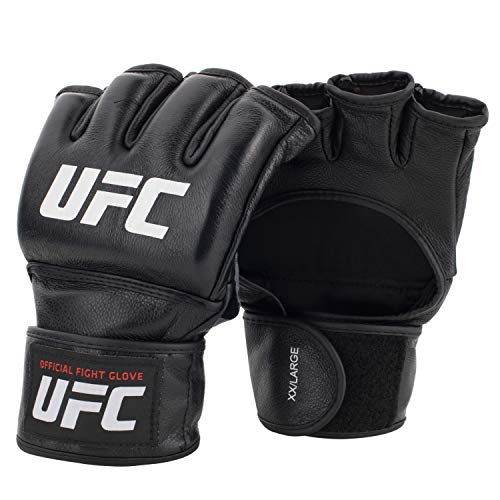
Comfortable gel protection in knuckle area

Designed in Thailand

Multilayer inner foam system with inner wrist padding offers superb hand and wrist protection for training.
Combining Catching With Counterattacks
Catching techniques serve as a powerful tool for martial artists, enabling them to blend defense with offense seamlessly. By integrating catching strategies into their repertoire, fighters can create effective counterattack synergies. For example, employing a jab-cross with a leg catch can effectively respond to incoming kicks while also facilitating a strong counter. This dynamic approach allows athletes to manage distance, off-balance opponents, and increase striking opportunities. Fluid shifts between catching and striking, particularly using elbows or knees, enhance overall performance. Training with drills, sparring scenarios, and focused footwork improves these techniques further. As fighters adapt their catching methods to various styles, they not only develop versatility but also foster a deeper sense of belonging to the martial arts community. Protecting the mouth and jaw with impact absorption mouthguards designed for contact sports helps prevent injuries during intense sparring sessions and competitive matches.
Recommended Products

Perfect fit: Fairtex boxing glove 2 pair set is ergonomically designed with a unique contoured and tight-fit hand compartment designed to provide a secure and snug fit makes it easy for men & women

Perfect fit: Fairtex boxing glove 2 pair set is ergonomically designed with a unique contoured and tight-fit hand compartment designed to provide a secure and snug fit makes it easy for men & women

Enhanced Wrist Protection: The fairtex muay thai gloves have longer cuffs than #BGV1 safeguard wrists, while the hook and loop closure guarantees a secure fit during training and competition.
Adapting Defense to Opponents
While every opponent brings unique challenges, adapting one’s defense to their specific strengths and strategies is essential for success in martial arts. Through opponent analysis, practitioners utilize defensive adaptability, adjusting their style based on observed techniques and tactics. Speed recognition plays a vital role, as quick head movements and dynamic defense help evade rapid strikes. Strength consideration allows fighters to position themselves effectively against powerful opponents, using barriers like forearms to deflect blows. Strategy response involves anticipating an opponent’s game plan, employing layered defense and range control to counteract their pressure. Finally, adaptive footwork and evasive maneuvers enable fighters to control the distance and maintain their edge, creating opportunities for counterattacks while managing any incoming threats. Proper equipment selection, including gloves with adequate wrist support, can prevent injuries during defensive movements and enhance overall performance in both training and competition.
Energy Management in Defensive Techniques
Energy management plays an essential role in defensive techniques within martial arts. Practitioners can achieve energy conservation through effective defensive positioning. For example, parrying allows for deflecting an opponent’s force with less resistance compared to blocking. Techniques, like yielding in jiu-jitsu, utilize the opponent’s energy, minimizing unnecessary movements. Understanding energy flow in martial arts, such as tai chi, can enhance efficiency. Moreover, strategic positioning—like using angles—can reduce the impact of an attack. Techniques like trapping in Wing Chun not only neutralize threats but also manage energy effectively. Breathing exercises support endurance, ensuring that martial artists remain engaged longer. Just as adjustable ankle straps allow practitioners to customize their fit for optimal performance during strength training, adaptive defensive techniques enable martial artists to tailor their responses to different opponents and situations. By implementing these strategies, practitioners cultivate a more efficient, effective defense without depleting their energy reserves.
Tactical Awareness in Defensive Layering
Effective defensive layering relies heavily on tactical awareness. This involves a keen situational assessment of surroundings and identifying potential threats. Understanding Cooper’s color codes helps individuals stay alert and prepared for various scenarios. Recognizing pre-attack indicators, like subtle weight shifts, plays an essential role in preventing escalation. Managing important distance from potential aggressors enhances defensive responses. Additionally, maintaining ideal distance and using angular movement can disrupt an opponent’s attacks. Proper footwork allows for quick repositioning, which is critical in evading strikes. By honing tactical awareness, individuals can effectively integrate techniques like parrying and blocking, ultimately elevating their defensive capabilities. This layered defense fosters a sense of belonging, empowering individuals to navigate their environments with confidence.
Training for Versatility in Defense
How can individuals prepare for unpredictable encounters in defense scenarios? Training for versatility in defense focuses on mastering defensive versatility techniques. Practicing parries improves reaction time and enhances hand-eye coordination. Incorporating blocking drills develops resilience while managing fatigue. Catch-and-counter drills teach immediate reactions by launching counterattacks after intercepting strikes. Multi-directional movement is essential, as it allows individuals to evade attacks through footwork and head movements rather than relying solely on static positions. Regular live sparring tests these skills under pressure, revealing gaps for improvement. Additionally, solo drills build muscle memory for layered defenses without partners. By integrating these approaches, individuals can cultivate adaptable defense strategies that effectively meet varied challenges, ensuring readiness for any encounter.
The Role of Mental Preparation in Defense
Mental preparation plays an essential role in self-defense by equipping individuals with the tools to face unpredictable situations. It involves mental visualization, where one rehearses scenarios to enhance preparedness and reduce anxiety. This practice not only builds confidence but also fosters emotional regulation, ensuring that responses remain effective under pressure. By managing emotions like fear and anger, individuals improve their ability to assess and respond to threats. Additionally, developing mental toughness leads to greater resilience, allowing for adaptability in challenging circumstances. Consistent training enhances focus, boosts awareness, and promotes a calm mindset. Ultimately, mental preparation supports a holistic approach to self-defense, empowering individuals to navigate confrontations with clarity and confidence.
Frequently Asked Questions
What Are Common Misconceptions About Defensive Techniques?
Common misconceptions about defensive techniques include defensive myths asserting only physical strength matters and technique misunderstandings that overlook the significance of mental focus and strategy, leading many to undervalue the true essence of martial arts training.
How Do Injuries Affect Defensive Performance?
Injuries greatly impact defensive performance, with over 50% of defensive linemen affected by knee injuries, resulting in fewer game starts. Recovery strategies are essential for maintaining team cohesion and minimizing performance declines during rehabilitation periods.
What Mental Exercises Improve Defensive Skills?
Mental exercises such as visualization exercises enhance focus and anticipation, while reaction drills sharpen responsiveness and adaptability. Together, they foster a sense of belonging within a community, uniting individuals in their pursuit of improved defensive skills.
Can Defensive Techniques Enhance Overall Fitness?
Defensive techniques ironically transform fitness into a playful dance of cardio benefits and strength training. Each movement enhances agility and coordination, inviting a sense of belonging among practitioners, all while sculpting healthier, more resilient bodies.
How to Choose the Right Defensive Technique for Specific Opponents?
Choosing the right defensive technique requires thorough opponent analysis and technique adaptation. Observing an opponent’s tendencies enables fighters to select the most effective defense, fostering a sense of community and shared learning among practitioners.


