As an Amazon Associate, we earn from qualifying purchases. Some links on this site are affiliate links at no extra cost to you. Our recommendations are based on thorough research and editorial judgment.


How Wrap Tension Affects Circulation and Impact Absorption

Wrap tension plays a vital role in circulation and impact absorption. Properly applied elastic wraps can enhance blood flow, aiding in injury recovery and tissue repair. Tighter wraps increase pressure, promoting microcirculation and lymphatic drainage, while also redistributing blood flow for better nutrient delivery. However, excessive tension can lead to tissue ischemia and nerve damage. Understanding this balance is key to optimizing healing. Explore further to uncover more about the nuances of compression and its wide-ranging effects.
Key Takeaways
- Proper wrap tension enhances blood circulation by optimizing microvascular perfusion, supporting oxygen and nutrient delivery to tissues.
- Excessive tension can cause tissue ischemia, leading to compromised circulation and potential nerve damage, risking injury recovery.
- Adequate tension allows for effective compression therapy, which can improve local blood flow and decrease swelling in injured areas.
- Balanced tension in wraps prevents fluid buildup, which could paradoxically increase swelling instead of alleviating it.
- Techniques like intermittent pneumatic compression utilize optimal tension to enhance circulation and impact absorption during injury recovery.
Understanding Elastic Wrap Tension
Understanding elastic wrap tension is important for effective injury management, as the pressure applied can greatly impact healing. Proper wrap application techniques influence the level of tension, which is essential to achieving ideal pressure measurement underneath the bandage. Tighter applications can appreciably increase sub-bandage pressure, which is particularly important for managing swelling or injuries. However, excessive tension can negatively affect circulation and potentially cause discomfort. The shape and size of the limb, along with muscle activity, also play key roles in how pressure is distributed. By maintaining an appropriate balance, practitioners can help make sure the wrap supports healing while avoiding complications. Quality hand wraps with breathable materials can reduce sweat buildup and improve comfort during extended wear, which is particularly beneficial for athletes managing minor injuries while training. Consequently, awareness of these factors is fundamental for successful injury care within the community.
Benefits of Compression on Microcirculation

Compression therapy plays an essential role in enhancing microcirculation, particularly in patients dealing with various injuries and vascular issues. Techniques like intermittent pneumatic compression have shown significant benefits. Studies using laser Doppler fluxmetry indicate acute increases in local skin blood flow, especially beneficial for those with venous insufficiency. This microvascular enhancement supports crucial oxygen and nutrient delivery, essential for tissue function and repair. Importantly, effective compression therapy can also redistribute blood flow to optimize overall microvascular perfusion. However, compression levels must be managed carefully to avoid complications such as nerve ischemia. By blending science and practice, compression therapy offers a promising approach to improve circulation and foster recovery, appealing to those seeking a healthier, more connected lifestyle. When selecting compression products like kinesiology tape, materials should be breathable and waterproof with strong adhesive properties to ensure both comfort during extended wear and durability throughout physical activities.
The Role of Compression in Wound Healing

Effective wound healing relies not just on biological repair mechanisms but also on proper external support. Compression techniques play a vital role in this process. By applying ideal pressure, individuals can greatly reduce wound size and improve healing timelines. Studies reveal that effective compression can lead to up to a 67% reduction in wound size within eight weeks. However, applying inadequate or excessive pressure can hinder recovery, causing complications like increased size or new wounds. Utilizing multicomponent systems, such as layered bandages, enhances healing efficiency compared to single-layer solutions. This approach not only diminishes edema but also promotes nutrient delivery, fostering a better environment for cellular repair. When selecting compression materials, breathable fabric options help reduce the risk of skin irritation and rash development during extended wear. To conclude, well-applied compression therapy is essential for successful wound healing.
Effects of Compression on Arterial Stiffness
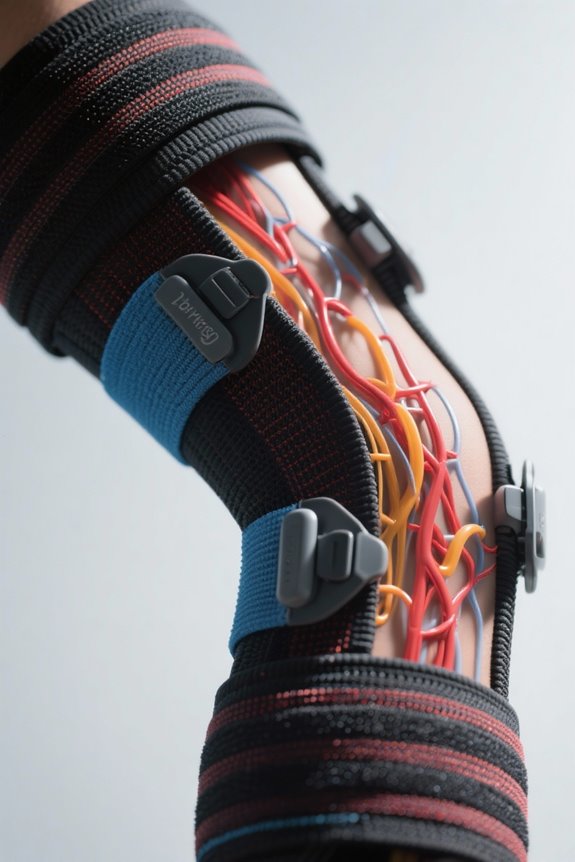
While exploring the effects of compression on arterial stiffness, it becomes evident that this aspect can significantly influence vascular health. Studies show that lower-limb pneumatic compression at 70–80 mmHg reduces arterial stiffness in healthy adults within just 30 minutes. Significant decreases in measures like heart-brachial pulse wave velocity indicate effective results. Importantly, no similar changes occur with sham controls, highlighting that compression holds unique benefits. This reduction in arterial stiffness signifies improved vascular compliance, which may enhance overall blood flow and circulation. Different compression techniques produce varying blood pressure changes, impacting arterial stiffness differently. Understanding these effects can guide better practices in maintaining vascular health. The use of moisture-wicking properties in compression garments further supports circulation by maintaining optimal temperature and preventing excessive perspiration during intense physical activity. Ultimately, safe compression enhances circulation, benefiting both physical performance and overall well-being.
Risks Associated With Excessive Wrap Tension

Excessive wrap tension poses significant risks to circulation and overall health. It can lead to tissue ischemia, depriving critical areas of oxygen and nutrients. Nerve damage is another concern, as tight wraps can compress nerves, causing numbness or severe pain. Additionally, fluid buildup may occur, increasing swelling instead of providing relief. Signs of circulation compromise include discoloration and persistent pain in the affected area. Wrap assessment is important; patients and caregivers must be educated on early warning signs, like skin breakdown, blisters, or sores. Identifying these symptoms promptly can prevent serious complications, such as tissue necrosis or infections. In boxing and combat sports, where 180-inch hand wraps are commonly used, achieving the right balance between secure fit and proper blood flow is crucial to prevent similar circulation issues during training. Ensuring proper wrap tension is essential for maintaining effective and safe treatment, fostering a supportive environment for healing.
Mechanical Properties of Wrap Materials
Wrap tension management relies heavily on the mechanical properties of wrap materials. The fabric structure greatly influences elasticity and stretching behavior, allowing it to apply consistent compression. Materials with elastic fibers stretch to adapt, while tensile stress relaxation helps maintain pressure over time. For instance, rib weft-knitted fabrics exhibit varied relaxation based on their structure and loading direction, which affects pressure consistency. In contrast, controlled stiffness in certain fabrics evenly distributes muscle contraction forces, enhancing compression efficiency. Thicker materials may offer more durability but can be uncomfortable. Similar to how bamboo charcoal’s porous structure enables effective absorption in deodorizers, the porosity and structural characteristics of wrap materials determine their ability to manage moisture and maintain optimal contact with the skin. Ultimately, selecting the right wrap material balances comfort, durability, and effective compression, ensuring the wrap performs well during use. Understanding these properties fosters an informed choice for wearers focused on their health.
Impact Absorption and Protection Through Compression
Compression therapy plays an essential role in impact absorption and protection for patients. This treatment provides therapeutic cushioning that absorbs impacts while redistributing pressure evenly. It prevents damage to delicate skin and reduces irritation by utilizing absorbent layers that shield it from direct contact with compressive materials. The stability offered by cohesive or adhesive wraps guarantees consistent pressure, minimizing friction that can lead to discomfort. Additionally, compression helps manage moisture by absorbing exudate, promoting a healthier healing environment. By improving circulation and reducing swelling, compression enhances recovery and decreases the risk of further injury. Modern compression gear often incorporates breathable neoprene and high-density EVA materials that enhance both comfort and durability during extended wear. Overall, effective compression is crucial for not only comfort but also effective healing and protection for patients undergoing treatment.
Balancing Tension for Optimal Outcomes
Balancing wrap tension is essential for achieving ideal outcomes in packaging and product protection. Proper tension optimization guarantees that loads remain stable during transit. When tension is too tight, the risk of film breaks increases, resulting in costly downtime. Conversely, insufficient tension allows loads to shift, compromising product integrity. Achieving the right balance promotes both load stability and operational efficiency. For instance, a moderate stretch of wrap allows necessary ventilation for sensitive items, while thicker films provide puncture resistance without excessive waste. Real-world successes show that pairing optimal tension with suitable film thickness can enhance performance and minimize costs. Similar to how adjustable tension in training equipment caters to different skill levels, customizable wrap tension settings accommodate various product requirements and environmental conditions. By prioritizing tension balance, businesses can safeguard their products, improve safety, and foster sustainability in their operations.
Frequently Asked Questions
How Often Should I Check Wrap Tension During Use?
Wrap frequency for tension monitoring generally requires checks at least once or twice weekly during treatment. In the initial weeks, daily assessments are vital to accommodate rapid changes in limb size and guarantee adequate compression levels.
Can I Use Elastic Wraps for Sports Injuries?
Yes, elastic wraps can be effective for sports injuries. They offer wrap benefits such as compression and support, aiding in injury management by reducing pain, controlling swelling, and promoting healing during recovery, fostering a sense of belonging in athletic communities.
What Are the Signs of Improper Wrap Tension?
Signs of improper wrap tension include discomfort, numbness, discoloration, and swelling. These symptoms indicate inadequate circulation and may jeopardize recovery, prompting individuals to seek guidance and guarantee effective treatment for their injuries and well-being.
How Do I Determine the Right Wrap Size?
Determining the right wrap size involves precise wrap measurement; a common error is underestimating by 10%. Accurate wrap sizing guarantees complete coverage, fostering confidence and belonging in the installation process while minimizing material waste and frustration.
Are There Specific Activities to Avoid While Wrapped?
Certain activities should be avoided while wrapped, including extreme sports, cooking near heat sources, and jogging. Adhering to appropriate wrap types and wrapping techniques guarantees safety and comfort for both caregiver and baby.


