As an Amazon Associate, we earn from qualifying purchases. Some links on this site are affiliate links at no extra cost to you. Our recommendations are based on thorough research and editorial judgment.


Bolt Types and Load Ratings: What Matters for Safety

Understanding bolt types and load ratings is essential for safety in construction and machinery. Different bolt grades, such as Grade 5 and Grade 8, indicate strength levels, with tensile strengths reaching up to 120,000 psi. Material selection, from steel to titanium, influences corrosion resistance and load capacity. Proper sizing and thread specifications guarantee secure connections, while proof load testing assesses performance under stress. Emphasizing safety factors enhances reliability in everyday applications. There’s so much more to explore, so let’s continue.
Key Takeaways
- Understanding different bolt grades and their tensile strengths is essential for selecting the right bolt for specific applications, impacting safety and performance.
- Choosing the appropriate bolt material enhances load capacity and corrosion resistance, significantly affecting the durability and reliability of connections.
- Recognizing load types—tensile, compressive, shear, bending—helps in determining the right bolt specifications and ensuring structural integrity under various conditions.
- Proper installation techniques and adherence to torque specifications are critical for maintaining bolt reliability and preventing failures during operation.
- Implementing safety factors in bolt selection and usage ensures protection against unforeseen stresses, enhancing the overall safety of structures and machinery.
Understanding Bolt Grades and Their Strength Ratings
When selecting bolts for various applications, understanding bolt grades and their strength ratings is essential. Bolt identification is straightforward, as different grades feature distinctive markings. For instance, SAE Grade 2 bolts lack head markings, while Grade 5 bolts showcase three radial lines. The tensile differences between grades illustrate their load capacities. Grade 5 bolts offer a tensile strength of approximately 120,000 psi, making them ideal for automotive and machinery applications. In contrast, Grade 8 bolts, represented by six radial lines, can withstand even higher loads. Additionally, metric bolts use property classes like 12.9, known for their exceptional tensile strength. Knowing these specifications can help guarantee that bolts are suitable for various projects, enhancing safety and performance. Similar to how resistance bands feature adjustable resistance levels to accommodate different user capabilities, bolt grades provide varying strength capacities to match specific application requirements.
Recommended Products

Our commercial wheels are constructed by forging and spinning aviation-grade aluminum (6061) and then heat treated (T5T6)

No Drill Installation: Say goodbye to complex installations. Our no-drill installation process is hassle-free and preserves your truck's integrity. You can have your topper ready for action in no time.

Marine grade pre-galvanized steel frame, 78" wide x 159" long
Selecting the Right Bolt Material for Your Application

Selecting the right bolt material for a project can make a significant difference in overall performance and durability. Bolt material selection should consider the application’s environmental conditions. Commonly, steel bolts are favored for their strength and versatility, while stainless steel offers excellent corrosion resistance for outdoor settings. Brass and bronze are popular in electrical applications due to their non-magnetic properties. Meanwhile, titanium bolts, though pricier, provide lightweight strength ideal for aerospace use. For specialized environments, superalloy bolts deliver superior mechanical strength and temperature tolerance. The key is to balance corrosion resistance and mechanical strength, ensuring the selected bolt material meets both performance requirements and budget constraints for the specific application. Just as durable rubber outsoles enhance grip and longevity in footwear applications, selecting materials engineered for durability ensures bolts maintain their performance through extensive use.
Recommended Products
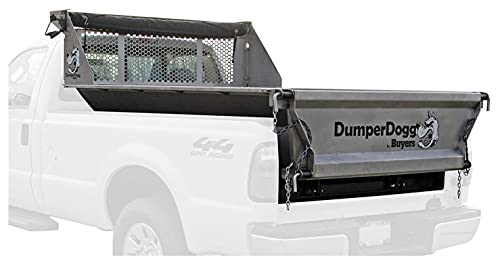
INSTANT DUMP TRUCK FUNCTIONALITY: Transforms a 3/4‑ton or higher pickup into a true hydraulic dump truck, eliminating manual unloading while saving time, labor, and operating costs when hauling mulch, stone, debris, or aggregate.
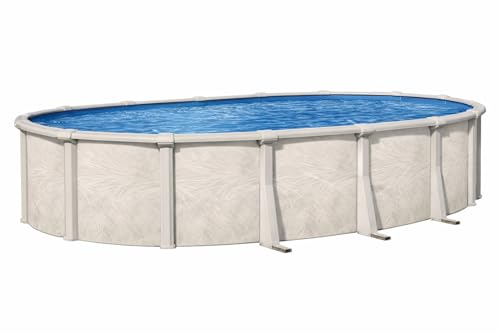
RESIN COATED STEEL - This elegantly designed above ground pool features a super strong steel wall that has been hot dip galvanized for protection. The copper bearing steel wall is resin coated both on the inside and outside offering great protection against premature rusting while offering maximum longevity.

COMPLETE SETUP - Includes everything you need to start swimming! Slide-lock resin A-frame ladder with barrier in taupe color, Widemouth Skimmer, 25 gauge overlap liner, 3 bags of “Rx Clear” Luster Filter Media and a 16” sand filter system w/ pump.
Types of Loads and Their Impact on Bolt Performance

Understanding the types of loads that bolts experience is essential for ensuring their performance and longevity in various applications. Bolts can face tensile loads that pull apart, compressive loads that push together, shear loads causing deformation, and torsional loads resulting from twisting during installation. Bending loads may occur if pressure is uneven. Each load type impacts the bolt’s integrity and can lead to material fatigue over time. Key factors like yield strength and tensile strength determine the limits of each bolt, while corrosion resistance plays a critical role in durability. Proper load distribution across bolts is important to prevent localized stress concentrations that could compromise safety. When evaluating bolt systems, consider that some weight capacity ratings can support up to 300 lbs, which demonstrates the importance of matching fastener specifications to expected loads. Recognizing these aspects fosters a deeper appreciation for reliable bolted connections.
Recommended Products

The Tallest of the PURPLE LEAF Pergolas: This creates a grand, open atmosphere with ample space for gatherings. It is perfect as a standalone piece or an extension for dining, outdoor furniture, hot tubs, or kitchens/bars.

All-Weather Durability: Pro-Tect tested and proven to withstand up to 14,800 pounds or up to 30 inches of snow load, and winds up to 100 mph

SIZE: 14' X 28'. Outstanding teak-finish powder-coated aluminum frame, sturdy for 4 seasons use and always catch your eyes.
The Importance of Proper Bolt Sizing and Thread Specifications

Proper bolt sizing and thread specifications are critical components in ensuring the safety and effectiveness of bolted connections. The diameter of a bolt determines its load-bearing capacity, while thread specifications dictate how well it fits with nuts or tapped holes. Using the correct bolt size prevents issues like loose fittings or joint failures. Similarly, thread pitch affects the strength and engagement of the bolts. For example, choosing between coarse and fine threads can influence both assembly ease and resistance to loosening under vibration. Ensuring precise measurements with tools like digital calipers guarantees adherence to manufacturing tolerances, which is essential for maintaining reliability in high-stress applications. Consequently, proper bolt sizing and thread specifications are foundational for safe engineering practices.
Recommended Products

Set of four (4) Casino Mirror aluminum wheels, four (4) 23x10-14 Black Trail tires, four (4) SS caps for wheels, and sixteen (16) standard lug nuts. Tires are pre-mounted on wheels before shipping.

Set of four (4) Casino Mirror aluminum wheels, four (4) 23x10-14 Sierra Sport tires, four (4) SS caps for wheels, and sixteen (16) standard lug nuts. Tires are pre-mounted on wheels before shipping.

Set of four (4) Casino Black/Blue aluminum wheels, four (4) 23x10R14 Sierra Rover Radial tires, four (4) SS caps for wheels, and sixteen (16) metric lug nuts. Tires are pre-mounted on wheels before shipping.
Proof Load Testing and Its Role in Ensuring Safety

In order to secure the safety and reliability of bolted connections, proof load testing plays an essential role. This testing methodology applies a specific load to verify that a bolt can endure it without permanent deformation. Unlike tensile tests that assess failure points, proof load testing focuses on maintaining elasticity. Conducted with a tensile machine, the bolt is held under load for a defined period, typically ten seconds. A vital metric of safety, it guarantees no permanent stretch occurs, preventing premature failure in real-world applications. Standardized by organizations like SAE and ISO, proof load values guarantee consistency across manufacturers. Similar to how high-density EVA foam provides durability and shock absorption in exercise equipment, proper material composition in bolts ensures they can withstand repeated stress without degradation. Ultimately, this thorough testing promotes confidence that bolts will perform reliably in critical settings, enhancing overall safety across various industries.
Recommended Products

2x2" Galvanized Steel Poles (vs. standard 1.2x1.2") with 1.7mm/15-Gauge Walls – 70% thicker than typical 1mm/25-Gauge poles, surpassing others in metal strength and hardness

Lightweight and Compact LiFePO4 Battery:10.24"L x 5.24"W x 8.96"H dimensions with 19.13 lb weight, perfect for RVs, Vans, and trolling motors.

Exceptional Long Lifespan: 4,000 100% DOD cycles power RVs for 10+ years—outlasting lead-acid, reducing replacements and long-term costs.
Analyzing Fatigue and Long-Term Performance in Bolts
Fatigue and long-term performance are critical aspects in the life cycle of bolts, especially in demanding applications. Understanding fatigue mechanisms, such as crack initiation and propagation, helps in evaluating bolt integrity. Testing standards like ISO 3800 utilize S-N curves to predict performance under varying load spectra, giving valuable insights into fatigue life. Key factors include stress amplitude and mean stress, with higher values drastically reducing fatigue longevity. Real-world conditions often involve combined loads, necessitating specialized testing beyond standard axial methods. Material properties, surface finish, and environmental influences all play significant roles in fatigue resistance. Regular monitoring of bolted connections can provide early warnings of fatigue damage, fostering better safety and reliability in various industrial settings. Similar to how heavy-duty chains and secure mounting systems require careful inspection to maintain structural integrity, bolted connections benefit from routine assessments to prevent catastrophic failures.
Safety Factors: Enhancing Reliability in Bolt Applications
Safety factors play a significant role in ensuring the reliability of bolt applications across various industries. These factors provide essential margins, accounting for uncertainties in load estimation and material behavior. They enhance reliability by ensuring bolts can withstand unexpected overloads without failure. Incorporating safety factors into design methodologies, such as Allowable Strength Design (ASD) and Load and Resistance Factor Design (LRFD), helps address different failure modes effectively. Commonly recommended safety factors range from 1.3 to 4, allowing engineers to choose appropriate values based on reliability and environmental conditions. By applying these factors wisely, professionals can guarantee long-term structural integrity and prevent catastrophic failures in critical applications. Just as document holders protect important papers from damage, proper safety factors safeguard bolted connections from unforeseen stresses and environmental challenges. Ultimately, safety factors instill confidence in bolted connections used in everyday applications.
Frequently Asked Questions
What Are the Consequences of Using Undergraded Bolts?
Using undergraded bolts creates a ticking time bomb; diminished load capacity leads to bolt failure and catastrophic joint collapse. This jeopardizes both personnel safety and operational stability, ultimately fracturing the very foundation of collective industrial trust.
How Do Temperature Fluctuations Affect Bolt Performance?
Temperature fluctuations lead to thermal expansion and material degradation, increasing risks of joint failure. Lower temperatures can cause brittleness, while higher temperatures may result in creep, jeopardizing the integrity of bolted connections and overall structural safety.
Can Bolts Rust Even if Galvanized?
Indeed, galvanized bolts can succumb to rust despite their corrosion resistance. Protective coatings may falter under damage, environmental stress, or harsh conditions, revealing vulnerable steel beneath—a reminder of embracing superior materials for ultimate durability and safety.
What Is the Significance of Bolt Head Markings?
The significance of bolt head markings lies in their role in bolt identification. These markings indicate strength grade, material specifications, and manufacturer details, ensuring safety, compliance, and appropriate use in various applications for communal trust.
How Does Vibration Influence Bolt Integrity Over Time?
As relentless waves erode a shoreline, vibration fatigue gradually undermines bolt integrity, leading to bolt loosening. Over time, oscillations coax the clamping force to wane, underscoring the need for vigilant monitoring to safeguard structural stability.


